The Importance of Healthcare Software Development Services
In today’s rapidly evolving healthcare industry, the use of technology plays a crucial role in improving patient care, streamlining operations, and enhancing overall efficiency. Healthcare software development services have become essential for healthcare providers to meet the growing demands of patients and regulatory requirements.
Benefits of Healthcare Software Development Services
Enhanced Patient Care: Customized software solutions enable healthcare providers to access patient information quickly, make accurate diagnoses, and provide personalized treatment plans.
Streamlined Operations: Automation of administrative tasks, scheduling appointments, managing medical records, and billing processes can significantly reduce errors and improve workflow efficiency.
Improved Communication: Integrated communication platforms allow seamless collaboration among healthcare professionals, leading to better coordination of care and faster decision-making.
Challenges in Healthcare Software Development
Developing software for the healthcare industry comes with its own set of challenges, including stringent data security regulations (such as HIPAA compliance), interoperability issues between different systems, and the need for user-friendly interfaces that cater to diverse user groups.
Choosing the Right Healthcare Software Development Partner
When selecting a healthcare software development partner, it is essential to consider their experience in developing solutions specifically tailored to the healthcare sector. Look for a company that understands the unique requirements of healthcare organizations and has a proven track record of delivering high-quality, secure software products.
Conclusion
Healthcare software development services are instrumental in driving innovation and transformation within the healthcare industry. By leveraging advanced technology solutions, healthcare providers can enhance patient outcomes, optimize operational processes, and stay ahead in an increasingly competitive landscape.
Top 8 Frequently Asked Questions About Healthcare Software Development Services
- What are the key benefits of healthcare software development services?
- How can healthcare software solutions improve patient care?
- What challenges are commonly faced in healthcare software development?
- What factors should be considered when choosing a healthcare software development partner?
- How can healthcare software ensure data security and compliance with regulations like HIPAA?
- What role does interoperability play in healthcare software development?
- How can customized interfaces enhance user experience in healthcare software applications?
- What trends are shaping the future of healthcare software development services?
What are the key benefits of healthcare software development services?
Healthcare software development services offer a multitude of key benefits that are instrumental in advancing the efficiency and quality of healthcare delivery. These services enable healthcare providers to enhance patient care through personalized treatment plans, quick access to patient information, and accurate diagnoses. Additionally, they streamline operational processes by automating administrative tasks, managing medical records, scheduling appointments, and facilitating billing procedures. Improved communication among healthcare professionals is also a significant benefit, as integrated platforms foster seamless collaboration and decision-making. Overall, healthcare software development services play a vital role in optimizing healthcare operations and driving better patient outcomes.
How can healthcare software solutions improve patient care?
Healthcare software solutions play a pivotal role in enhancing patient care by providing healthcare providers with efficient tools to access and manage patient information effectively. Through features such as electronic health records (EHR), telemedicine platforms, and decision support systems, healthcare software enables quick and accurate diagnoses, personalized treatment plans, and streamlined communication among healthcare professionals. By centralizing patient data, reducing errors, and improving coordination of care, these solutions ultimately lead to better outcomes for patients, ensuring they receive the highest quality of care possible.
What challenges are commonly faced in healthcare software development?
In the realm of healthcare software development, several challenges are commonly encountered. These include ensuring compliance with stringent data security regulations such as HIPAA, addressing interoperability issues between different systems to facilitate seamless data exchange, and designing user-friendly interfaces that cater to the diverse needs of healthcare professionals and patients. Additionally, managing the complexity of integrating various technologies and functionalities while maintaining system performance and reliability poses a significant challenge in healthcare software development. Overcoming these obstacles requires a deep understanding of the healthcare industry’s unique requirements and a strategic approach to developing innovative solutions that enhance patient care and operational efficiency.
What factors should be considered when choosing a healthcare software development partner?
When selecting a healthcare software development partner, several crucial factors should be carefully considered to ensure the success of the project. Firstly, expertise and experience in developing healthcare-specific solutions are paramount. The partner should have a deep understanding of the unique challenges and regulatory requirements of the healthcare industry. Additionally, their track record in delivering secure, reliable, and user-friendly software products is essential. Communication skills and the ability to collaborate effectively with healthcare professionals to understand their needs and goals are also critical. Furthermore, a strong focus on data security compliance, scalability, interoperability with existing systems, and ongoing technical support should be key considerations when choosing a healthcare software development partner.
How can healthcare software ensure data security and compliance with regulations like HIPAA?
Healthcare software plays a critical role in ensuring data security and compliance with regulations like HIPAA by implementing robust security measures and features. To safeguard sensitive patient information, healthcare software often utilizes encryption techniques to protect data both at rest and in transit. Access controls and user authentication mechanisms are implemented to restrict unauthorized access to patient records. Regular security audits and vulnerability assessments help identify and address potential risks proactively. Additionally, healthcare software development services ensure compliance with regulations like HIPAA by incorporating features such as audit trails, data encryption, secure messaging, and role-based access controls to maintain the confidentiality, integrity, and availability of patient data while adhering to regulatory requirements.
What role does interoperability play in healthcare software development?
Interoperability plays a crucial role in healthcare software development by enabling different systems and applications to seamlessly communicate and share data with each other. In the context of healthcare, interoperability ensures that patient information can be accessed and exchanged across various platforms, such as electronic health records (EHRs), medical devices, and telehealth systems. This seamless flow of data not only improves care coordination among healthcare providers but also enhances the overall quality of patient care by providing a comprehensive view of the patient’s health history. Additionally, interoperability promotes efficiency in healthcare operations, reduces errors, and empowers patients to have greater control over their health information. As a result, prioritizing interoperability in healthcare software development is essential for fostering collaboration, improving outcomes, and delivering patient-centered care.
How can customized interfaces enhance user experience in healthcare software applications?
Customized interfaces play a crucial role in enhancing the user experience in healthcare software applications by tailoring the design and functionality to meet the specific needs of healthcare professionals and patients. By incorporating user-friendly features, intuitive navigation, and personalized workflows, customized interfaces can streamline tasks, improve efficiency, and reduce errors. Healthcare software applications with customized interfaces can provide a more intuitive and seamless user experience, ultimately leading to better adoption rates, increased productivity, and higher satisfaction among users.
What trends are shaping the future of healthcare software development services?
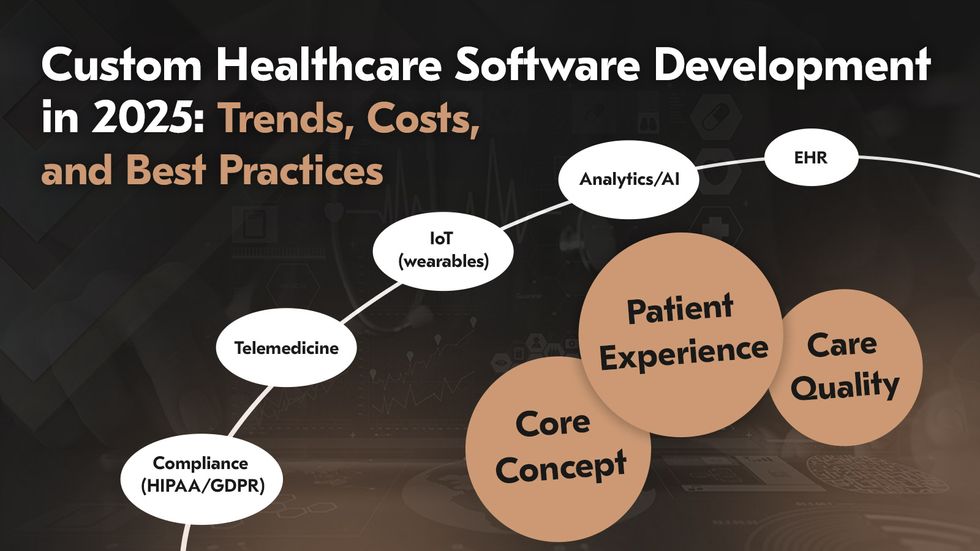
The future of healthcare software development services is being shaped by several key trends that are revolutionizing the industry. One significant trend is the rise of telemedicine and remote patient monitoring, allowing healthcare providers to deliver care beyond traditional clinical settings. Artificial intelligence and machine learning are also playing a crucial role in enhancing diagnostic accuracy, personalized treatment plans, and predictive analytics. Furthermore, the focus on interoperability and data exchange standards is driving the integration of disparate systems to enable seamless information sharing among healthcare stakeholders. These trends are paving the way for more efficient, patient-centric, and technologically advanced healthcare software solutions that will redefine the delivery of care in the years to come.