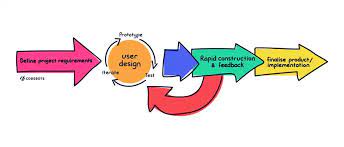
The Power of Agile Software Development with Scrum
Agile software development has revolutionized the way teams approach and execute software projects. One of the most popular frameworks within agile methodology is Scrum, known for its flexibility, adaptability, and collaborative nature.
What is Scrum?
Scrum is a lightweight framework that allows teams to work together effectively to deliver valuable software incrementally. It emphasizes iterative development, frequent inspection, and adaptation to respond to changing requirements.
Key Principles of Scrum
- Empirical Process Control: Scrum relies on transparency, inspection, and adaptation to guide the team’s work.
- Sprints: Time-boxed iterations where the team delivers a potentially shippable product increment.
- Roles: Scrum defines specific roles such as Product Owner, Scrum Master, and Development Team members.
- Artifacts: Key artifacts include Product Backlog, Sprint Backlog, and Increment.
- Ceremonies: Regular events like Daily Standups, Sprint Planning, Sprint Review, and Retrospective promote collaboration and transparency.
Benefits of Agile Software Development with Scrum
Implementing Scrum in agile software development offers several advantages:
- Rapid Delivery: Sprints enable regular delivery of working software increments.
- Frequent Feedback: Continuous feedback loops from stakeholders ensure alignment with requirements.
- Flexibility: Ability to adapt to changing priorities and market conditions quickly.
- Collaboration: Cross-functional teams collaborate closely to achieve project goals efficiently.
- Transparency: Clear visibility into project progress through artifacts like burndown charts and task boards.
In conclusion, embracing agile software development with Scrum can lead to improved productivity, higher customer satisfaction, and better quality products. By fostering a culture of continuous improvement and collaboration, teams can navigate complex projects successfully while delivering value to stakeholders consistently.
Mastering Agile with Scrum: 8 Essential Tips for Effective Software Development
- 1. Empower your team members to make decisions and take ownership of their work.
- 2. Prioritize communication and collaboration among team members.
- 3. Break down the project into manageable tasks and set clear goals for each sprint.
- 4. Conduct daily stand-up meetings to keep everyone aligned and address any issues promptly.
- 5. Embrace change and be willing to adapt to new requirements or feedback from stakeholders.
- 6. Use retrospectives at the end of each sprint to reflect on what went well and what could be improved.
- 7. Encourage continuous integration and frequent testing to ensure quality throughout the development process.
- 8. Foster a culture of transparency, trust, and respect within the team.
1. Empower your team members to make decisions and take ownership of their work.
In agile software development with Scrum, empowering team members to make decisions and take ownership of their work is a crucial tip for success. By granting autonomy and trust to individuals within the team, they are motivated to contribute their best efforts and take responsibility for the outcomes. This empowerment fosters a sense of ownership, accountability, and commitment among team members, leading to increased collaboration, creativity, and ultimately, more successful project deliveries.
2. Prioritize communication and collaboration among team members.
In agile software development with Scrum, prioritizing communication and collaboration among team members is essential for project success. By fostering open lines of communication and encouraging collaboration, team members can share ideas, address challenges, and work together towards common goals effectively. Clear and frequent communication helps ensure that everyone is aligned on project objectives, progress, and potential roadblocks, leading to improved teamwork, productivity, and ultimately, the successful delivery of high-quality software increments.
3. Break down the project into manageable tasks and set clear goals for each sprint.
In agile software development with Scrum, breaking down the project into manageable tasks and setting clear goals for each sprint is crucial for success. By dividing the project into smaller, more manageable components, teams can focus on delivering incremental value within a defined timeframe. Setting clear goals for each sprint ensures that team members have a shared understanding of what needs to be accomplished, promoting alignment and transparency throughout the development process. This approach not only enhances productivity but also allows for better adaptation to changing requirements and priorities as the project progresses.
4. Conduct daily stand-up meetings to keep everyone aligned and address any issues promptly.
In agile software development with Scrum, conducting daily stand-up meetings is a crucial practice to ensure team alignment and address any issues promptly. These short, focused meetings provide an opportunity for team members to share updates on their progress, discuss any roadblocks they may be facing, and collaborate on solutions. By maintaining regular communication through daily stand-ups, teams can stay on track, identify potential challenges early on, and work together efficiently towards achieving their project goals.
5. Embrace change and be willing to adapt to new requirements or feedback from stakeholders.
Embracing change and being open to adapting to new requirements or feedback from stakeholders is a fundamental principle in agile software development with Scrum. By remaining flexible and responsive to evolving needs, teams can ensure that the final product meets the expectations of stakeholders and delivers maximum value. This willingness to embrace change not only fosters a culture of continuous improvement but also allows for greater innovation and success in delivering high-quality software solutions.
6. Use retrospectives at the end of each sprint to reflect on what went well and what could be improved.
Utilizing retrospectives at the conclusion of each sprint is a crucial practice in agile software development with Scrum. This dedicated time allows team members to reflect on their performance, identify successes, and pinpoint areas for improvement. By fostering an environment of open communication and continuous learning, teams can adapt their processes, refine their strategies, and enhance their overall efficiency in subsequent sprints. Retrospectives serve as valuable opportunities for teams to celebrate achievements, address challenges proactively, and drive continuous improvement throughout the project lifecycle.
7. Encourage continuous integration and frequent testing to ensure quality throughout the development process.
Encouraging continuous integration and frequent testing is a crucial aspect of agile software development with Scrum. By integrating code changes regularly and running automated tests frequently, teams can identify and address issues early in the development process, ensuring that the software maintains high quality throughout its lifecycle. This practice not only helps in detecting bugs sooner but also promotes collaboration among team members, leading to a more efficient and reliable delivery of working software increments.
8. Foster a culture of transparency, trust, and respect within the team.
Fostering a culture of transparency, trust, and respect within the team is a crucial tip in agile software development with Scrum. By promoting open communication, sharing information openly, and respecting each team member’s contributions, trust is built among team members. This trust creates a supportive environment where individuals feel empowered to voice their opinions, collaborate effectively, and take ownership of their work. Ultimately, a culture of transparency, trust, and respect leads to improved teamwork, increased productivity, and successful project outcomes in the dynamic world of agile software development.