The Importance of QA and Testing in Software Development
Quality Assurance (QA) and testing play a crucial role in the software development lifecycle. They are essential processes that ensure the reliability, functionality, and performance of software applications before they are released to end-users.
Why QA and Testing Matter
QA helps identify defects and issues early in the development process, saving time and resources in the long run. Testing ensures that the software meets the specified requirements and functions as intended. By conducting thorough QA and testing, developers can deliver high-quality products that meet customer expectations.
The Benefits of QA and Testing
Improved Quality: QA processes help maintain high standards of quality throughout the development cycle, leading to a more robust and reliable product.
Reduced Risks: Testing helps identify potential risks and vulnerabilities in the software, allowing developers to address them before deployment.
Enhanced User Experience: By ensuring that the software is free from bugs and errors, QA and testing contribute to a positive user experience.
The QA Process
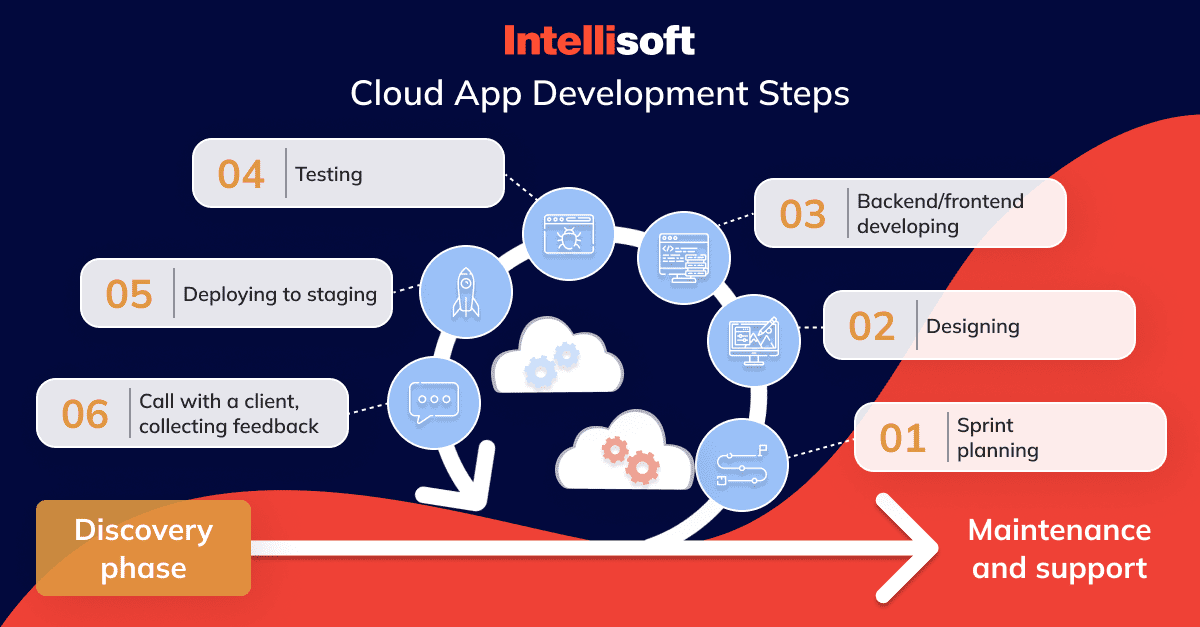
The QA process typically involves planning, designing test cases, executing tests, reporting defects, and retesting after fixes are made. It is an iterative process that aims to continuously improve the quality of the software.
Types of Testing
There are various types of testing performed during the QA process, including:
- Functional Testing: Ensures that each function of the software operates correctly.
- Performance Testing: Evaluates how well the software performs under different conditions.
- Safety Testing: Checks for potential security vulnerabilities in the software.
- User Acceptance Testing (UAT): Involves end-users testing the software to ensure it meets their needs.
In Conclusion
QA and testing are vital components of successful software development. By prioritizing quality assurance throughout the development process, organizations can deliver reliable products that meet user expectations and drive business success.
Understanding the Distinctions: Key FAQs About QA and Testing
- What is the difference between testing and QA testing?
- What is QA in testing?
- What is the difference between QA and QC testing?
- Is QA just testing?
What is the difference between testing and QA testing?
The difference between testing and QA testing lies in their scope and objectives. Testing refers to the process of executing software to identify defects and ensure it functions correctly according to specified requirements. On the other hand, QA testing, or Quality Assurance testing, is a broader process that encompasses the entire software development lifecycle. QA focuses on preventing defects by establishing processes, standards, and methodologies to ensure that high-quality products are delivered. While testing is a part of QA, QA also involves activities such as requirements analysis, process improvement, and overall quality management to enhance the development process and end product quality.
What is QA in testing?
Quality Assurance (QA) in testing refers to the systematic process of ensuring that software products meet specified quality standards and requirements. QA involves activities such as planning, designing test cases, executing tests, and reporting defects to identify and rectify any issues before the software is released to end-users. The primary goal of QA in testing is to verify that the software functions as intended, is free from defects or errors, and delivers a positive user experience. By implementing QA practices, organizations can improve the overall quality of their software products and build trust with their customers.
What is the difference between QA and QC testing?
The key difference between Quality Assurance (QA) and Quality Control (QC) testing lies in their focus within the software development process. QA is a proactive process that aims to prevent defects by implementing standards, processes, and procedures to ensure quality throughout the development lifecycle. On the other hand, QC is a reactive process that involves identifying defects in the final product through testing and inspection. While QA focuses on preventing issues before they occur, QC focuses on identifying and fixing issues after they have occurred. Both QA and QC are essential components of ensuring high-quality software products, with QA emphasizing prevention and QC emphasizing detection and correction.
Is QA just testing?
The frequently asked question, “Is QA just testing?” highlights a common misconception in the software development industry. Quality Assurance (QA) encompasses more than just testing; it involves a comprehensive approach to ensuring the quality of software products throughout the development lifecycle. While testing is a crucial component of QA, encompassing activities such as verifying functionality and identifying defects, QA also includes processes like requirements analysis, risk management, process improvement, and overall quality management. By understanding that QA goes beyond testing and involves a holistic view of quality throughout the development process, organizations can achieve higher levels of product excellence and customer satisfaction.