The Power of Agile Software Development Teams
Agile software development has revolutionized the way teams collaborate and deliver projects in the tech industry. Agile methodologies emphasize flexibility, adaptability, and continuous improvement, enabling teams to respond quickly to changing requirements and deliver high-quality software products efficiently.
Key Characteristics of Agile Software Development Teams:
- Collaboration: Agile teams prioritize collaboration among team members, stakeholders, and customers. By fostering open communication and shared responsibility, agile teams ensure that everyone is aligned towards a common goal.
- Adaptability: Agile teams embrace change and are willing to adjust their plans and processes based on feedback and evolving requirements. This flexibility enables them to deliver value incrementally and respond effectively to shifting priorities.
- Iterative Approach: Agile development follows an iterative approach where work is divided into small, manageable increments called sprints. Each sprint results in a potentially shippable product increment, allowing teams to gather feedback early and make course corrections as needed.
- Empowered Team Members: Agile teams empower individual team members to make decisions and take ownership of their work. This autonomy fosters creativity, motivation, and a sense of accountability among team members.
- Continuous Improvement: Continuous improvement is at the core of agile methodologies. Teams regularly reflect on their processes, identify areas for enhancement, and implement changes to optimize their performance over time.
The Benefits of Agile Software Development Teams:
By embracing agile principles and practices, software development teams can enjoy a range of benefits, including:
- Rapid Delivery: Agile teams can deliver working software in short iterations, allowing stakeholders to see tangible results quickly.
- Increased Transparency: Regular communication within agile teams promotes transparency regarding project status, risks, and impediments.
- Better Risk Management: The iterative nature of agile development enables teams to identify and mitigate risks early in the project lifecycle.
- Enhanced Customer Satisfaction: By involving customers throughout the development process and delivering value incrementally, agile teams can ensure that customer needs are met effectively.
- Improved Team Morale: Empowered team members who collaborate closely tend to be more engaged, motivated, and satisfied with their work.
In conclusion, agile software development teams represent a powerful approach to building high-performing teams that deliver value consistently. By embracing agility as a mindset rather than just a methodology, organizations can foster innovation, adaptability, and success in today’s fast-paced digital landscape.
Understanding Agile Software Development Teams: Key Roles, Structure, and Processes
- What are the 3 main roles of an Agile team?
- What is an Agile team in software development?
- What is the team structure in agile development?
- What are the 4 stages of Agile team development?
- What is agile software development?
- What is an Agile Scrum development team?
What are the 3 main roles of an Agile team?
In Agile software development teams, there are three main roles that play crucial parts in the project’s success. The first role is that of the Product Owner, who represents the stakeholders and is responsible for defining and prioritizing the product backlog. The second role is that of the Scrum Master, who facilitates the Agile process, removes obstacles, and ensures that the team adheres to Agile principles. Lastly, there are the Development Team members, who are responsible for delivering increments of working software during each sprint and collaborate closely to achieve project goals efficiently. Each role contributes uniquely to the Agile team dynamic, promoting collaboration, transparency, and continuous improvement throughout the development process.
What is an Agile team in software development?
An Agile team in software development is a cross-functional group of professionals that follows Agile methodologies to collaborate on and deliver software projects efficiently. Agile teams work in iterative cycles, known as sprints, where they focus on delivering incremental value to the customer. These teams are self-organizing, meaning they have the autonomy to make decisions and adapt to changing requirements throughout the development process. By emphasizing communication, collaboration, and flexibility, Agile teams ensure that they can respond quickly to feedback, prioritize customer needs, and deliver high-quality software products in a timely manner.
What is the team structure in agile development?
In agile software development, the team structure is typically characterized by cross-functional teams that are self-organizing and empowered to make decisions collaboratively. These teams consist of individuals with diverse skill sets, such as developers, testers, designers, and product owners, who work together towards a common goal. The team structure in agile development emphasizes close collaboration, communication, and shared responsibility among team members. By breaking down silos and promoting a culture of transparency and continuous feedback, agile teams can adapt quickly to changing requirements and deliver value incrementally throughout the development process.
What are the 4 stages of Agile team development?
In agile software development team dynamics, the 4 stages of Agile team development are forming, storming, norming, and performing. During the forming stage, team members come together and get acquainted with each other while establishing goals and expectations. This is followed by the storming stage, where conflicts may arise as individuals express their opinions and work styles. In the norming stage, the team starts to resolve differences, establish norms for collaboration, and build stronger relationships. Finally, in the performing stage, the team reaches a high level of productivity and collaboration, effectively delivering on project goals with synergy and efficiency.
What is agile software development?
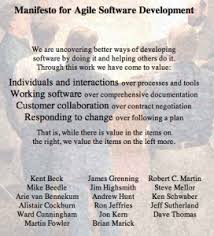
Agile software development is a collaborative and iterative approach to building software that emphasizes flexibility, adaptability, and customer satisfaction. In agile methodologies, teams work in short iterations called sprints to deliver incremental value to stakeholders. By prioritizing communication, transparency, and continuous improvement, agile teams can respond quickly to changing requirements and market conditions. The core principles of agile development include valuing individuals and interactions over processes and tools, working software over comprehensive documentation, customer collaboration over contract negotiation, and responding to change over following a plan. Agile software development empowers teams to deliver high-quality products efficiently while promoting a culture of innovation and collaboration.
What is an Agile Scrum development team?
An Agile Scrum development team is a cross-functional group of individuals who work together to deliver software projects using the Scrum framework. In Scrum, team members collaborate closely on iterative development cycles known as sprints, typically lasting 1-4 weeks. The team is self-organizing and responsible for determining how to achieve the goals set for each sprint. Key roles within an Agile Scrum development team include the Product Owner, who represents the stakeholders and defines project requirements, the Scrum Master, who facilitates the Scrum process and removes impediments, and the Development Team members, who are responsible for delivering high-quality increments of work during each sprint. By following the principles of transparency, inspection, and adaptation, an Agile Scrum development team aims to continuously improve its processes and deliver valuable software products efficiently.