The Power of Python in Android App Development
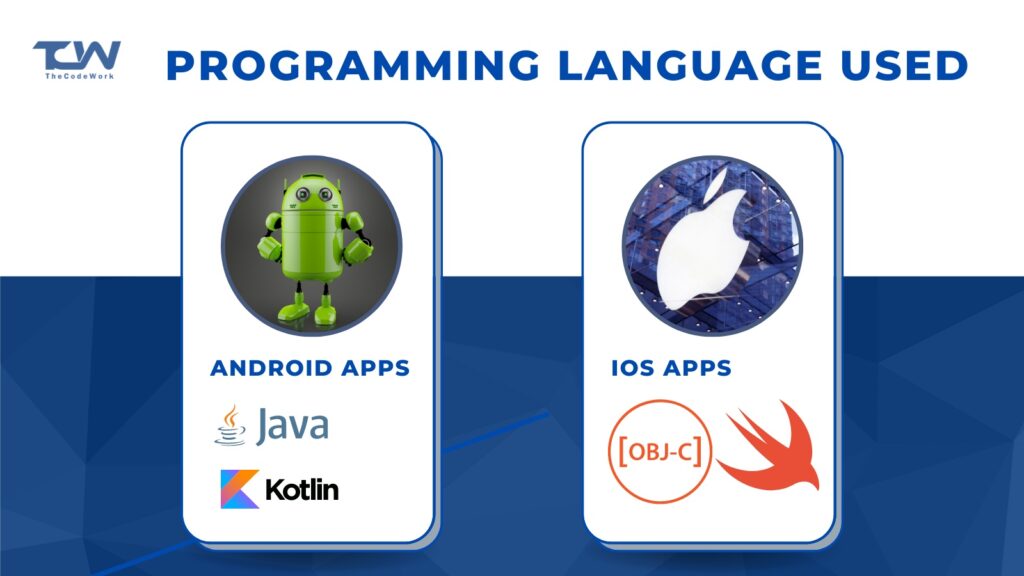
Python, known for its simplicity and versatility, has gained immense popularity among developers for a wide range of applications, including Android app development. While Java has traditionally been the primary language for building Android apps, Python offers several advantages that make it a compelling choice for developers.
Benefits of Using Python for Android App Development
Ease of Learning and Readability: Python’s clean and concise syntax makes it easy to learn and understand, even for beginners. This can significantly reduce development time and make the codebase more maintainable.
Rich Ecosystem of Libraries: Python boasts a vast collection of libraries and frameworks that streamline app development. From data processing to machine learning, developers can leverage these libraries to add powerful functionalities to their Android apps.
Cross-platform Compatibility: With tools like Kivy and BeeWare, developers can write code in Python and deploy it across multiple platforms, including Android, iOS, Windows, and more. This cross-platform compatibility simplifies the app development process and expands the reach of the application.
Challenges of Using Python for Android App Development
While Python offers numerous advantages, it also presents some challenges when used for Android app development:
- Performance: Python is an interpreted language, which can result in slower performance compared to compiled languages like Java. Developers may need to optimize their code or use native extensions to improve performance.
- App Size: Including the Python interpreter in the app package can increase its size, which may be a concern for apps with strict size limitations.
- Limited Support: Some Android-specific features may not be fully supported by existing Python libraries or frameworks, requiring developers to find workarounds or develop custom solutions.
In Conclusion
Python offers a compelling alternative to traditional languages like Java for Android app development. Its ease of learning, rich ecosystem of libraries, and cross-platform compatibility make it an attractive choice for developers looking to build innovative and feature-rich applications. While challenges exist, with careful planning and optimization, developers can harness the power of Python to create successful Android apps.
8 Common Questions About Using Python for Android App Development
- Can Python be used for Android app development?
- Can I automate Android app using Python?
- Is Kivy still used?
- Is Python used for Android app development?
- Can you run Python code in an Android app?
- Can I create mobile apps with Python?
- Can I make an APK with Python?
- Can Android run Python apps?
Can Python be used for Android app development?
The question of whether Python can be used for Android app development is a common one among developers. The answer is yes, Python can indeed be utilized for creating Android applications. With its user-friendly syntax, extensive library support, and cross-platform compatibility tools like Kivy and BeeWare, Python offers a viable alternative to traditional languages like Java. While challenges such as performance optimization and app size considerations may arise, developers can leverage Python’s strengths to build innovative and feature-rich Android apps efficiently.
Can I automate Android app using Python?
Yes, you can automate Android apps using Python. Python offers various tools and libraries that enable developers to automate interactions with Android applications. One popular tool for this purpose is Appium, an open-source automation framework that supports testing and automating mobile apps on both Android and iOS platforms using a wide range of programming languages, including Python. By leveraging the capabilities of Python along with frameworks like Appium, developers can efficiently automate tasks such as UI testing, performance testing, and regression testing for Android apps, streamlining the development process and ensuring app quality and reliability.
Is Kivy still used?
The question of whether Kivy is still used in Python for Android app development is a common one among developers. Kivy, a popular open-source Python framework, continues to be utilized by developers for creating cross-platform applications, including those for Android. Despite the emergence of other frameworks and tools in the app development landscape, Kivy’s robust features, such as multi-touch support and a customizable UI toolkit, make it a viable choice for building engaging and interactive Android apps efficiently. Its active community support and ongoing updates further contribute to its relevance in the realm of Python-based mobile app development.
Is Python used for Android app development?
Yes, Python is indeed used for Android app development. While Java has been the traditional language for building Android apps, Python has gained popularity among developers for its simplicity, versatility, and rich ecosystem of libraries. With tools like Kivy and BeeWare, developers can write code in Python and deploy it across multiple platforms, including Android. Python’s clean syntax and ease of learning make it an attractive choice for those looking to create innovative and feature-rich applications for the Android platform. Despite some challenges related to performance optimization and app size, Python offers a compelling alternative for developers seeking to leverage its strengths in Android app development.
Can you run Python code in an Android app?
Yes, you can run Python code in an Android app using various tools and frameworks that enable Python to be integrated into the app development process. While Java has traditionally been the primary language for Android app development, developers have found ways to incorporate Python into their projects. Tools like Kivy, BeeWare, and Chaquopy allow developers to write Python code and deploy it on Android devices. By leveraging these tools, developers can take advantage of Python’s simplicity and versatility to build robust and feature-rich Android applications.
Can I create mobile apps with Python?
One of the frequently asked questions regarding Python is whether it can be used to create mobile apps. The answer is yes, Python can indeed be utilized for mobile app development, including for Android platforms. With the availability of frameworks like Kivy, BeeWare, and others, developers can leverage Python’s simplicity and versatility to build robust and feature-rich mobile applications. While challenges such as performance optimization and app size considerations may arise, the use of Python for mobile app development opens up exciting possibilities for developers seeking an alternative approach to creating innovative apps.
Can I make an APK with Python?
One frequently asked question in the realm of Python for Android app development is, “Can I make an APK with Python?” The answer is yes, it is possible to create an APK (Android Package) file using Python. Tools like Kivy and BeeWare allow developers to write Python code and package it into a standalone Android application. These frameworks provide the necessary tools and libraries to build, compile, and deploy Python-based apps on the Android platform, offering developers a flexible and efficient way to leverage the power of Python for mobile app development.
Can Android run Python apps?
The question of whether Android can run Python apps is a common one among developers exploring the use of Python for Android app development. While Android does not natively support running Python apps out of the box, there are ways to execute Python code on Android devices. Developers can utilize tools like Kivy, BeeWare, or SL4A (Scripting Layer for Android) to package Python code into standalone APKs that can be installed and run on Android devices. These tools provide the necessary infrastructure to bridge the gap between Python and Android, enabling developers to create and deploy Python-based applications on the platform.