The Art and Science of Computer Software Development
Computer software development is a fascinating blend of art and science that powers the digital world we live in today. It involves the creation, design, testing, and maintenance of software applications that run on computers and other devices.
The Creative Process
Software development begins with a creative spark – an idea that has the potential to solve a problem or enhance a user’s experience. Developers use their creativity to design the architecture and user interface of the software, ensuring it is intuitive and user-friendly.
The Technical Expertise
However, software development is not just about creativity; it also requires a deep understanding of programming languages, algorithms, data structures, and software engineering principles. Developers must have the technical expertise to write clean, efficient code that performs well and meets the requirements of the project.
The Iterative Process
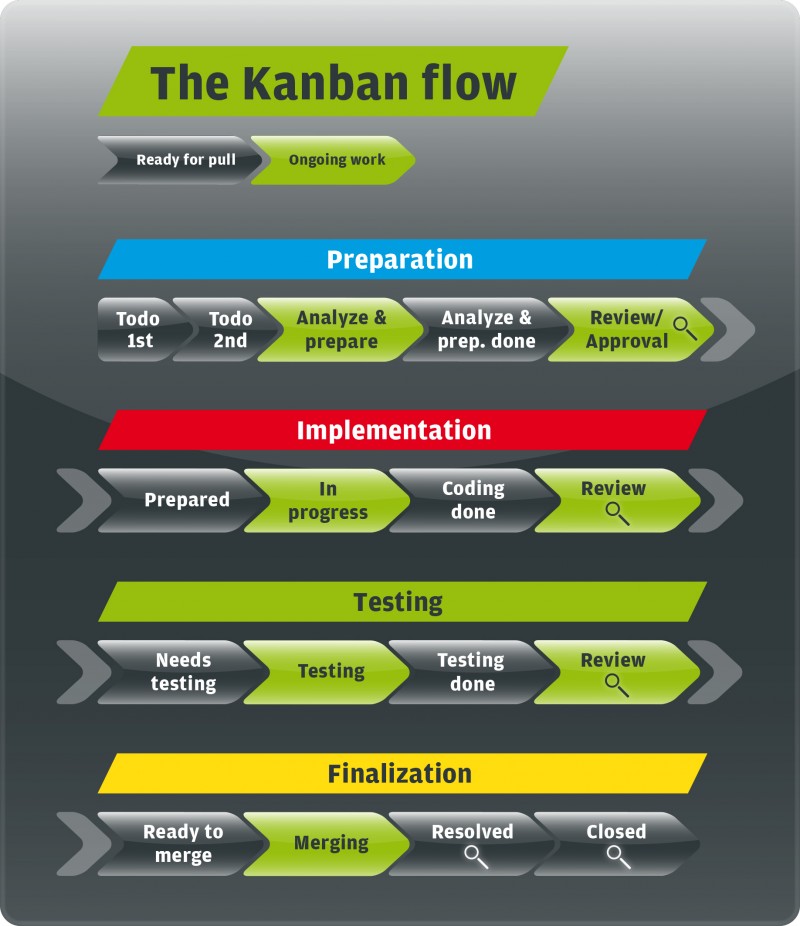
Software development is an iterative process that involves continuous testing, feedback, and refinement. Developers collaborate closely with stakeholders to gather requirements, implement features, test for bugs, and make improvements based on feedback. This iterative approach ensures that the final product meets the needs of users.
The Importance of Collaboration
Successful software development relies on effective collaboration among team members with diverse skills and expertise. Designers work with developers to create visually appealing interfaces, while quality assurance engineers test the software for bugs and performance issues. Project managers coordinate efforts to ensure timely delivery of high-quality software.
The Future of Software Development
As technology continues to evolve at a rapid pace, the field of computer software development is constantly changing. Developers must stay updated on new tools, frameworks, and best practices to remain competitive in the industry. The future promises exciting advancements in artificial intelligence, cloud computing, cybersecurity, and more.
In conclusion, computer software development is both an art form that demands creativity and a science that requires technical expertise. By combining these elements effectively and embracing collaboration and innovation, developers can create software solutions that drive progress and shape the digital landscape for years to come.
6 Essential Tips for Effective Software Development
- Write clean and readable code for better maintainability.
- Use version control systems like Git to track changes and collaborate with others.
- Test your code regularly to catch bugs early in the development process.
- Document your code to make it easier for others (and yourself) to understand.
- Follow coding standards and best practices to ensure consistency across the project.
- Stay updated with the latest technologies and trends in software development.
Write clean and readable code for better maintainability.
Writing clean and readable code is a crucial tip in computer software development as it significantly enhances the maintainability of the codebase. By following good coding practices and ensuring that the code is well-structured, properly documented, and easy to understand, developers can streamline the process of debugging, updating, and extending the software in the future. Clean code not only makes it easier for other team members to collaborate on the project but also reduces the risk of introducing errors during maintenance tasks. Ultimately, prioritizing clean and readable code leads to more efficient development processes and better overall software quality.
Use version control systems like Git to track changes and collaborate with others.
Using version control systems like Git is essential in computer software development. It allows developers to track changes made to the codebase, revert to previous versions if needed, and collaborate seamlessly with team members. By utilizing Git, developers can work concurrently on different features or fixes, merge their changes efficiently, and maintain a clean and organized code repository. This practice not only enhances productivity but also ensures better code quality and project management throughout the software development process.
Test your code regularly to catch bugs early in the development process.
Testing your code regularly is a crucial tip in computer software development to catch bugs early in the development process. By conducting regular tests throughout the coding phase, developers can identify and address potential issues before they escalate, saving time and resources in the long run. Early bug detection not only ensures a smoother development process but also leads to the creation of more stable and reliable software products for end-users.
Document your code to make it easier for others (and yourself) to understand.
Documenting your code is a crucial practice in computer software development that can greatly enhance the clarity and maintainability of your work. By adding comments and explanations within your code, you not only make it easier for others to understand your logic and intentions but also help yourself in the future when revisiting or troubleshooting the code. Clear documentation acts as a roadmap that guides developers through the intricacies of the software, ensuring smoother collaboration, faster problem-solving, and overall better quality in the development process.
Follow coding standards and best practices to ensure consistency across the project.
Following coding standards and best practices is crucial in computer software development to maintain consistency across the project. By adhering to established guidelines, developers can write code that is easier to read, understand, and maintain. Consistent coding practices also promote collaboration among team members, as everyone follows the same conventions. This approach not only improves the overall quality of the codebase but also streamlines the development process, leading to more efficient and effective software solutions.
Stay updated with the latest technologies and trends in software development.
To stay ahead in the field of computer software development, it is crucial to stay updated with the latest technologies and trends. By keeping abreast of emerging tools, frameworks, and best practices, developers can enhance their skills, improve efficiency, and deliver innovative solutions that meet the evolving needs of users. Continuous learning and adaptation to new technologies not only ensure competitiveness but also drive progress in the dynamic landscape of software development.