Incremental Software Development: A Strategy for Success
Incremental software development is a methodology that has gained popularity in the tech industry for its effectiveness in delivering high-quality software products while managing risks and adapting to changing requirements. Unlike traditional waterfall approaches, incremental development breaks down the project into smaller, manageable increments or iterations.
Key Principles of Incremental Development
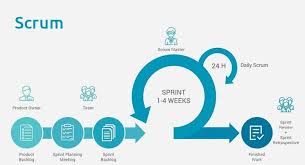
One of the fundamental principles of incremental development is the iterative nature of the process. Instead of trying to deliver the entire product at once, developers work on small portions of functionality in each iteration. This allows for continuous feedback from stakeholders and enables early detection and resolution of issues.
Another important aspect of incremental development is prioritizing features based on their value to the end-users. By focusing on delivering the most critical features first, teams can ensure that they are meeting user needs and creating a product that adds real value.
Benefits of Incremental Development
- Risk Management: By breaking the project into smaller increments, risks are minimized as issues can be identified and addressed early in the development process.
- Faster Time-to-Market: Incremental development allows for quicker delivery of functional components, enabling businesses to respond to market demands more rapidly.
- Flexibility: The iterative nature of incremental development provides flexibility to adapt to changing requirements and incorporate feedback throughout the project lifecycle.
- Improved Quality: Continuous testing and feedback lead to higher quality software products that better meet user expectations.
Conclusion
Incremental software development offers a strategic approach for organizations looking to build robust software solutions efficiently. By embracing an iterative process, prioritizing user value, and focusing on continuous improvement, teams can deliver successful projects that meet both business objectives and user needs.
Understanding Incremental Software Development: Key Principles, Benefits, and Real-World Applications
- What is incremental software development?
- How does incremental development differ from traditional waterfall approaches?
- What are the key principles of incremental software development?
- What are the benefits of using incremental development methodology?
- How does incremental development help in managing risks in software projects?
- What role does continuous feedback play in incremental software development?
- Can you provide examples of successful projects that have used incremental development?
What is incremental software development?
Incremental software development is a methodology that involves breaking down a software project into smaller, manageable increments or iterations. Instead of attempting to deliver the entire product at once, developers work on delivering specific functionality in each iteration. This approach allows for continuous feedback from stakeholders, early issue detection, and the flexibility to adapt to changing requirements throughout the development process. By prioritizing features based on their value to end-users and focusing on iterative improvements, incremental software development enables teams to deliver high-quality products efficiently while managing risks effectively.
How does incremental development differ from traditional waterfall approaches?
Incremental development differs from traditional waterfall approaches in its iterative and incremental nature. While the waterfall model follows a linear sequence of phases where each phase must be completed before moving on to the next, incremental development breaks down the project into smaller, manageable increments or iterations. This allows for continuous feedback, early detection of issues, and the ability to adapt to changing requirements throughout the development process. Unlike the waterfall model, incremental development prioritizes delivering working software in small increments, focusing on user value and flexibility in responding to evolving needs. By embracing an iterative approach, incremental development offers greater adaptability, reduced risks, and faster time-to-market compared to traditional waterfall methodologies.
What are the key principles of incremental software development?
In incremental software development, the key principles revolve around breaking down the project into smaller, manageable increments or iterations. This approach emphasizes the iterative nature of the process, allowing developers to work on small portions of functionality in each iteration. By prioritizing features based on their value to end-users and focusing on delivering the most critical functionalities first, teams can ensure that they are meeting user needs and creating a product that adds real value. Continuous feedback from stakeholders plays a crucial role in identifying issues early and making necessary adjustments throughout the development cycle, ultimately leading to higher-quality software products that align closely with user expectations.
What are the benefits of using incremental development methodology?
The benefits of using incremental development methodology in software development are manifold. By breaking down the project into smaller, manageable increments, teams can effectively manage risks, adapt to changing requirements, and deliver high-quality software products. This approach allows for early detection and resolution of issues, leading to improved overall product quality. Additionally, incremental development enables faster time-to-market by delivering functional components iteratively, providing businesses with the flexibility to respond quickly to market demands. Ultimately, the iterative nature of incremental development enhances collaboration among team members and stakeholders, leading to more successful and user-centric software solutions.
How does incremental development help in managing risks in software projects?
Incremental development plays a crucial role in managing risks in software projects by breaking down the project into smaller, more manageable increments or iterations. This approach allows teams to identify and address potential risks early in the development process, reducing the likelihood of major issues arising later on. By focusing on delivering functional components incrementally, teams can gather feedback from stakeholders and make necessary adjustments, thus mitigating risks associated with changing requirements or unforeseen challenges. Additionally, incremental development enables teams to test and validate each increment independently, leading to better overall risk management and ensuring that the final product meets quality standards while staying aligned with project goals.
What role does continuous feedback play in incremental software development?
Continuous feedback plays a crucial role in incremental software development by providing valuable insights throughout the development process. In this methodology, stakeholders, including clients and end-users, are involved in each iteration, allowing for early identification of issues, validation of features, and alignment with evolving requirements. By incorporating feedback at every stage, teams can make necessary adjustments, prioritize effectively, and ensure that the final product meets the needs and expectations of the users. This iterative feedback loop not only enhances the quality of the software but also fosters collaboration and transparency, ultimately leading to successful project outcomes.
Can you provide examples of successful projects that have used incremental development?
When asked about successful projects that have utilized incremental development, it is worth noting several prominent examples in the tech industry. One such example is the development of the popular video streaming platform Netflix. Netflix adopted an incremental approach to continuously enhance its user experience, introducing new features and functionalities in iterative releases. Another notable example is the agile transformation of Spotify, where incremental development practices enabled rapid innovation and evolution of their music streaming service. These success stories demonstrate how incremental software development can drive innovation, improve product quality, and ultimately lead to customer satisfaction.