Software Development Tutorial: A Beginner’s Guide
Software development is the process of creating, designing, testing, and maintaining software applications. Whether you are a complete beginner or looking to enhance your skills, this tutorial will provide you with a comprehensive overview of software development.
Understanding the Basics
Before diving into software development, it is essential to understand the fundamental concepts and principles. Familiarize yourself with programming languages such as Java, Python, or JavaScript, as they form the building blocks of software development.
Setting Up Your Development Environment
To start coding, you need a development environment that includes a code editor, compiler, and debugger. Popular integrated development environments (IDEs) like Visual Studio Code or IntelliJ IDEA can help streamline your coding process.
Learning Programming Concepts
Gain proficiency in key programming concepts such as variables, data types, loops, functions, and classes. Understanding these concepts will enable you to write efficient and structured code.
Building Projects
Practice your skills by working on small projects or coding challenges. Building projects not only reinforces your learning but also allows you to apply your knowledge in real-world scenarios.
Version Control with Git
Learn how to use version control systems like Git to track changes in your codebase and collaborate with other developers effectively. Version control is crucial for managing code revisions and facilitating team collaboration.
Testing and Debugging
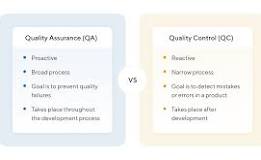
Testing is an integral part of software development to ensure that your code functions as intended. Explore different testing techniques such as unit testing and integration testing to identify and fix bugs in your code.
Continuous Learning
The field of software development is constantly evolving with new technologies and trends emerging regularly. Stay updated by reading industry blogs, attending workshops, and engaging with online communities to enhance your skills.
By following this software development tutorial and practicing consistently, you can embark on a rewarding journey towards becoming a proficient software developer.
Top 6 FAQs About Starting and Understanding Software Development
- Is 30 too late to become a developer?
- How software is developed step by step?
- How to learn basics of software development?
- How can I learn software development skills?
- What are the 5 phases of software development?
- What are the 7 steps of software development?
Is 30 too late to become a developer?
The question of whether 30 is too late to become a software developer is a common concern among individuals considering a career change or entering the tech industry later in life. The truth is, there is no age limit when it comes to pursuing a career in software development. Many successful developers have started their journey well into their 30s or even later. What matters most is your passion for coding, dedication to learning, and willingness to adapt to the fast-paced nature of the tech industry. With determination and hard work, anyone can learn programming skills and excel as a developer, regardless of their age.
How software is developed step by step?
Understanding how software is developed step by step is essential for anyone interested in the field of software development. The process typically begins with requirement gathering and analysis, where the needs of the end-users are identified. This is followed by designing a solution architecture and creating a detailed plan for development. The next steps involve actual coding, testing, and debugging to ensure the software functions correctly. Once the software is deemed ready, it undergoes deployment and maintenance phases to ensure its smooth operation in a production environment. Each step in the software development process plays a crucial role in delivering high-quality software that meets user requirements effectively.
How to learn basics of software development?
To learn the basics of software development, it is essential to start with a strong foundation in programming languages and concepts. Beginners can begin by familiarizing themselves with languages such as Java, Python, or JavaScript, which are commonly used in software development. Setting up a conducive learning environment with the right tools like an integrated development environment (IDE) can help streamline the learning process. Engaging in hands-on practice through coding exercises and small projects is crucial for reinforcing understanding and building practical skills. Additionally, seeking out online tutorials, courses, and community forums can provide valuable resources and support for beginners looking to embark on their software development journey.
How can I learn software development skills?
To acquire software development skills, there are various effective approaches you can take. Firstly, consider enrolling in online courses or attending coding bootcamps that offer structured learning paths and hands-on projects. Additionally, self-study through books, tutorials, and practice coding exercises can help you grasp programming concepts. Engaging in open-source projects or collaborating with other developers can provide valuable real-world experience. Networking with professionals in the field and seeking mentorship can also offer guidance and support as you navigate your software development learning journey. Continuous practice, dedication, and a growth mindset are key to mastering software development skills over time.
What are the 5 phases of software development?
In software development, the process typically consists of five key phases: requirements gathering, design, implementation, testing, and maintenance. During the requirements gathering phase, project stakeholders collaborate to define the project scope and gather user requirements. The design phase involves creating a blueprint of the software architecture and system specifications. Implementation is where developers write and code the actual software based on the design. Testing is crucial to ensure that the software functions correctly and meets user expectations. Finally, maintenance involves ongoing support, updates, and enhancements to keep the software running smoothly over time. These five phases form a structured approach to software development that helps ensure successful project delivery.
What are the 7 steps of software development?
In software development, the 7 steps of the development process typically include planning, analysis, design, implementation, testing, deployment, and maintenance. Planning involves defining project goals and requirements. Analysis focuses on gathering and analyzing user needs. Design entails creating a blueprint for the software solution. Implementation involves coding based on the design specifications. Testing ensures that the software functions correctly. Deployment involves releasing the software to users. Maintenance includes updating and enhancing the software to meet evolving needs. Following these steps helps ensure a systematic approach to building high-quality software solutions.