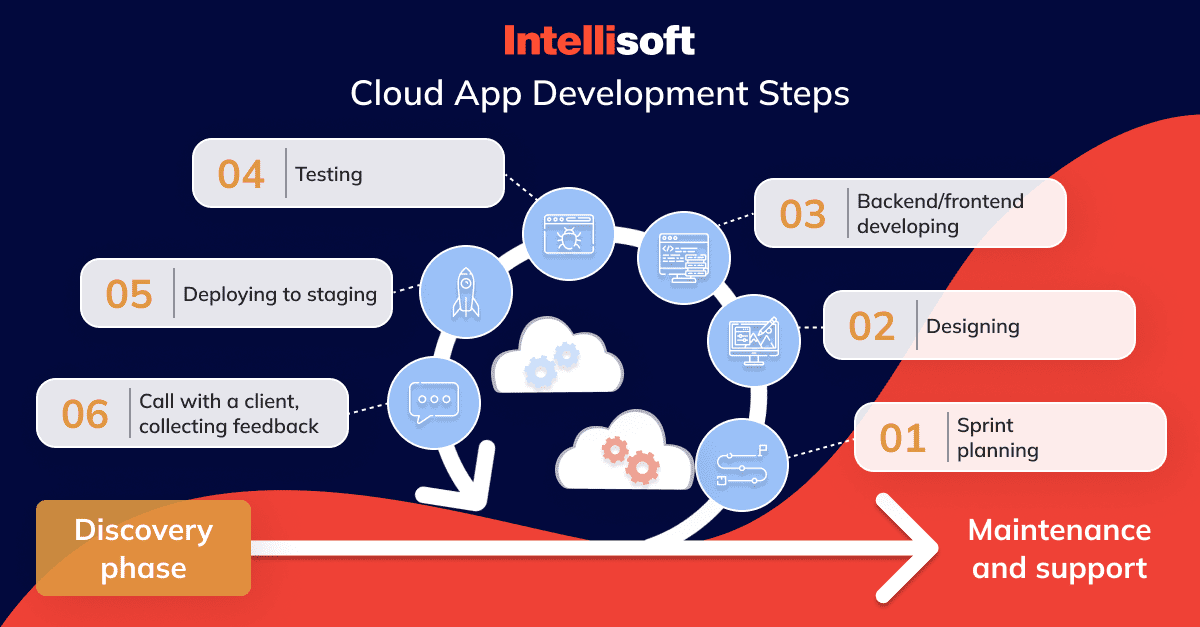
The Importance of Software Design and Development
In Unit 6 of your software engineering course, you will delve into the critical aspects of software design and development. This unit plays a pivotal role in shaping your understanding of how to create efficient, scalable, and user-friendly software solutions.
Key Topics Covered in Unit 6:
- Software Architecture: Learn about designing the overall structure of software systems, including components, relationships, and constraints.
- Design Patterns: Explore common solutions to recurring design problems that can help improve the quality and efficiency of your software.
- User Interface Design: Understand the principles of creating intuitive and visually appealing user interfaces that enhance user experience.
- Testing and Debugging: Discover techniques for testing software functionality and debugging issues to ensure smooth performance.
- Version Control Systems: Gain insights into using version control tools to manage changes in your codebase effectively.
By mastering the concepts covered in Unit 6, you will be equipped with the skills needed to design robust software architectures, implement efficient coding practices, and deliver high-quality software products that meet user requirements.
The Future of Software Design and Development
In today’s rapidly evolving digital landscape, the demand for skilled software designers and developers continues to grow. By staying abreast of emerging technologies and best practices in software design and development, you can position yourself as a valuable asset in the tech industry.
Unit 6 serves as a foundation for your journey toward becoming a proficient software engineer capable of creating innovative solutions that drive business success. Embrace the challenges presented in this unit as opportunities to hone your skills and expand your knowledge in the dynamic field of software design and development.
7 Essential Tips for Effective Software Design and Development in Unit 6
- Understand the requirements thoroughly before starting the design process.
- Break down the software design into smaller components for easier management.
- Use appropriate design patterns to improve the structure and maintainability of the software.
- Regularly test and review the software design to identify and fix any issues early on.
- Document the design decisions and rationale to aid in future maintenance and updates.
- Collaborate with team members to ensure consistency in the software design approach.
- Consider scalability and flexibility when designing software to accommodate future changes.
Understand the requirements thoroughly before starting the design process.
To excel in Unit 6 of software design and development, it is crucial to internalize the advice of understanding the requirements thoroughly before initiating the design process. By taking the time to grasp and analyze the project requirements comprehensively, you lay a solid foundation for designing software solutions that precisely meet the needs and expectations of stakeholders. This proactive approach not only streamlines the development process but also minimizes the risk of costly revisions or rework later on. Remember, a thorough understanding of requirements is key to delivering successful software products that align with user needs and business objectives.
Break down the software design into smaller components for easier management.
When approaching software design in Unit 6 of your course, a valuable tip to remember is to break down the design into smaller components. By breaking the software design into manageable parts, you can simplify the development process and enhance manageability. This approach allows for better organization, easier debugging, and more efficient collaboration among team members. Breaking down the software design into smaller components not only streamlines the development workflow but also facilitates scalability and maintenance in the long run. Embracing this tip will help you create well-structured and maintainable software solutions that meet user needs effectively.
Use appropriate design patterns to improve the structure and maintainability of the software.
When engaging with Unit 6 on software design and development, a crucial tip to enhance the quality of your software is to utilize appropriate design patterns. By incorporating established design patterns, you can optimize the structure of your software and enhance its maintainability. Design patterns offer proven solutions to common design challenges, enabling you to build robust and scalable software systems. Embracing these patterns not only streamlines the development process but also contributes to the long-term sustainability and manageability of your software solution.
Regularly test and review the software design to identify and fix any issues early on.
Regularly testing and reviewing the software design is a crucial tip in Unit 6 of software design and development. By conducting thorough tests and reviews throughout the development process, potential issues can be identified and addressed early on, preventing costly errors from surfacing later. This proactive approach not only ensures the quality and reliability of the software but also allows for timely adjustments to be made, leading to a more efficient and successful development cycle.
Document the design decisions and rationale to aid in future maintenance and updates.
When delving into Unit 6 of software design and development, a crucial tip to remember is the importance of documenting design decisions and rationale. By meticulously recording the thought process behind each design choice, you not only facilitate future maintenance but also streamline updates to the software system. Clear documentation serves as a roadmap for developers, enabling them to understand the original intent behind the design and make informed modifications without compromising the integrity of the software. Embracing this practice ensures that your software remains adaptable, scalable, and well-maintained throughout its lifecycle.
Collaborate with team members to ensure consistency in the software design approach.
It is crucial to collaborate effectively with team members during Unit 6 of software design and development to maintain consistency in the software design approach. By working closely with colleagues, you can align on design principles, coding standards, and overall project objectives. This collaborative effort ensures that all team members are on the same page, leading to a cohesive and unified approach to software development. Clear communication and coordination among team members foster a harmonious working environment where ideas can be shared, feedback can be received, and the final software product can reflect a consistent design philosophy.
Consider scalability and flexibility when designing software to accommodate future changes.
When delving into Unit 6 of software design and development, a crucial tip to keep in mind is the importance of considering scalability and flexibility in your design process. By anticipating future changes and growth requirements, you can create software solutions that are adaptable and can evolve seamlessly over time. Prioritizing scalability ensures that your system can handle increased loads or expanded functionalities without major rework, while building in flexibility allows for easier integration of new features or technologies down the line. This proactive approach not only future-proofs your software but also enhances its longevity and usability in a dynamic digital environment.