The Power of Agile Software Development Companies
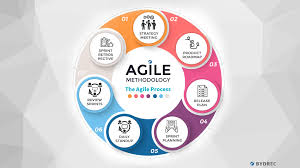
Agile software development has revolutionized the way companies create and deliver software solutions. Agile methodologies emphasize flexibility, collaboration, and customer feedback to ensure that projects are completed efficiently and effectively.
Agile software development companies embrace the principles of the Agile Manifesto, focusing on:
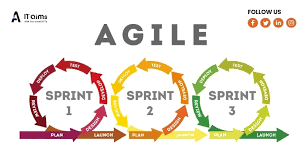
- Iterative Development: Breaking down projects into smaller, manageable tasks that can be completed in short iterations.
- Collaboration: Encouraging close collaboration between cross-functional teams, including developers, designers, and product owners.
- Adaptability: Embracing change and responding quickly to feedback to deliver a product that meets evolving requirements.
- Continuous Improvement: Reflecting on processes and outcomes to identify areas for improvement and enhance overall efficiency.
By adopting agile practices, software development companies can deliver high-quality products faster and more cost-effectively than traditional waterfall methods. Agile allows for greater transparency, increased stakeholder involvement, and improved responsiveness to changing market demands.
Furthermore, agile methodologies promote a culture of innovation and empowerment within development teams. By fostering a collaborative environment where individuals are encouraged to take ownership of their work and contribute ideas freely, agile software development companies can unleash creativity and drive continuous innovation.
In conclusion, agile software development companies are at the forefront of delivering cutting-edge solutions that meet the dynamic needs of today’s businesses. By embracing agility, collaboration, and adaptability, these companies are well-positioned to thrive in an ever-changing digital landscape.
Top 5 FAQs About Agile Software Development: Understanding Methods, Benefits, and Frameworks
- What is agile software development?
- How does agile software development differ from traditional methods?
- What are the benefits of using agile methodologies in software development?
- How does collaboration play a role in agile software development?
- What are some popular agile frameworks used by software development companies?
What is agile software development?
Agile software development is a methodology that emphasizes iterative and incremental development, focusing on flexibility, collaboration, and customer feedback. In agile development, projects are broken down into smaller tasks that can be completed in short iterations, allowing for continuous improvement and adaptation to changing requirements. Agile teams work closely together, including developers, designers, and product owners, to deliver high-quality software solutions efficiently and effectively. By embracing agility and responsiveness, agile software development enables companies to deliver value to customers faster and more cost-effectively than traditional waterfall methods.
How does agile software development differ from traditional methods?
Agile software development differs from traditional methods in several key ways. Unlike traditional waterfall approaches that follow a sequential process, agile methodologies emphasize iterative and incremental development. This means that in agile, projects are broken down into smaller, manageable tasks that are completed in short iterations, allowing for quicker feedback and adaptation to changing requirements. Additionally, agile promotes close collaboration among cross-functional teams and encourages continuous improvement through regular reflection on processes and outcomes. By focusing on flexibility, customer feedback, and adaptability, agile software development enables companies to deliver high-quality products more efficiently and effectively than traditional methods.
What are the benefits of using agile methodologies in software development?
Agile methodologies offer a multitude of benefits in software development. By embracing agile practices, companies can enjoy increased flexibility, faster time-to-market, and improved responsiveness to changing requirements. The iterative nature of agile allows for frequent feedback loops, enabling teams to adapt and refine their approach throughout the development process. Collaboration among cross-functional teams is enhanced, leading to better communication and alignment on project goals. Additionally, agile promotes a culture of continuous improvement, empowering teams to identify and address issues early on, ultimately resulting in higher-quality software products that better meet customer needs.
How does collaboration play a role in agile software development?
Collaboration plays a crucial role in agile software development as it fosters communication, teamwork, and shared understanding among cross-functional teams. In an agile environment, collaboration is not just a buzzword but a fundamental principle that drives the success of projects. By encouraging developers, designers, product owners, and other stakeholders to work closely together throughout the development process, agile software development companies can ensure that everyone is aligned on project goals, priorities, and requirements. This collaborative approach enables teams to share knowledge, leverage diverse perspectives, and make informed decisions quickly, leading to more efficient development cycles and ultimately delivering high-quality software products that meet customer needs effectively.
What are some popular agile frameworks used by software development companies?
Many software development companies leverage popular agile frameworks to streamline their development processes and enhance project outcomes. Some widely used agile frameworks include Scrum, Kanban, and Extreme Programming (XP). Scrum emphasizes iterative development cycles called sprints, with regular meetings and a product backlog to prioritize tasks. Kanban focuses on visualizing workflow and limiting work in progress to improve efficiency. Extreme Programming (XP) promotes practices such as pair programming, test-driven development, and continuous integration to ensure high-quality deliverables. Each framework offers unique benefits and can be tailored to suit the specific needs of a software development company, enabling teams to adapt quickly to changing requirements and deliver value to clients efficiently.