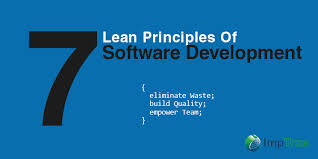
The Benefits of Implementing Lean Software Development
Lean software development is a methodology that focuses on delivering value to customers through the elimination of waste and continuous improvement. By following lean principles, software development teams can streamline their processes, increase efficiency, and enhance overall quality.
Key Principles of Lean Software Development:
- Eliminate Waste: Lean software development aims to identify and eliminate activities that do not add value to the end product. This includes reducing unnecessary documentation, waiting time, and rework.
- Build Quality In: Quality is a top priority in lean software development. By focusing on building quality into every stage of the development process, teams can reduce defects and improve customer satisfaction.
- Create Knowledge: Encouraging collaboration and sharing knowledge among team members helps improve decision-making and problem-solving capabilities.
- Deliver Fast: Lean emphasizes delivering value to customers quickly and frequently. This iterative approach allows teams to gather feedback early and make necessary adjustments throughout the development cycle.
- Respect People: Recognizing the expertise and contributions of team members is essential in lean software development. Empowering individuals to make decisions and take ownership of their work fosters a culture of continuous improvement.
The Benefits of Lean Software Development:
Implementing lean software development offers numerous benefits for organizations, including:
- Increased Efficiency: By eliminating waste and optimizing processes, teams can work more efficiently and deliver products faster.
- Better Quality: Building quality into every step of the development process leads to fewer defects and higher customer satisfaction.
- Cost Savings: Reduced waste results in cost savings for organizations by minimizing unnecessary activities and resources.
- Improved Collaboration: Emphasizing teamwork and knowledge sharing fosters a collaborative environment that enhances productivity and innovation.
- Faster Time-to-Market: Delivering value quickly allows organizations to respond rapidly to changing market demands and stay ahead of competitors.
In conclusion, implementing lean software development principles can help organizations achieve greater efficiency, quality, and customer satisfaction in their software projects. By embracing a culture of continuous improvement and focusing on delivering value to customers, teams can drive innovation and success in today’s competitive market.
Essential FAQs for Implementing Lean Software Development: A Guide to Best Practices and Waste Reduction
- What is Lean management in software development?
- How do you implement lean in software development?
- What is the lean software development?
- What are the wastes of lean software development?
- What are the best practice for implementing lean development model?
- How do you implement lean software development?
What is Lean management in software development?
Lean management in software development is a methodology that emphasizes the elimination of waste, continuous improvement, and delivering value to customers. It involves applying lean principles to streamline processes, optimize workflows, and enhance overall efficiency in software development projects. By focusing on building quality into every stage of the development cycle, empowering team members to make decisions, and fostering a culture of collaboration and respect, lean management enables organizations to achieve faster time-to-market, cost savings, and improved customer satisfaction. Ultimately, Lean management in software development aims to create a more agile and responsive environment that drives innovation and success in today’s dynamic business landscape.
How do you implement lean in software development?
Implementing lean principles in software development involves a systematic approach to eliminating waste, improving efficiency, and delivering value to customers. To implement lean in software development, teams can start by identifying and eliminating non-value-added activities, streamlining processes, and focusing on building quality into every stage of the development cycle. Embracing iterative and incremental delivery methods, such as Agile practices, can help teams gather feedback early and make continuous improvements. Collaboration among team members, empowering individuals to make decisions, and fostering a culture of continuous learning are also key aspects of implementing lean in software development. By following these principles and practices, organizations can optimize their software development processes and achieve greater efficiency and customer satisfaction.
What is the lean software development?
Lean software development is a methodology that emphasizes delivering value to customers by eliminating waste, optimizing processes, and fostering continuous improvement. In essence, it focuses on streamlining the software development lifecycle to ensure efficiency, quality, and customer satisfaction. By following lean principles such as eliminating non-value-added activities, building quality into every step, and delivering value quickly, organizations can enhance their productivity, reduce costs, and stay competitive in today’s fast-paced digital landscape.
What are the wastes of lean software development?
In the context of implementing lean software development, it is crucial to identify and eliminate the various types of waste that can hinder productivity and efficiency in the development process. Common wastes in lean software development include overproduction, excess inventory (such as unnecessary documentation or code), waiting time (for approvals or feedback), defects (which require rework), over-processing (performing unnecessary tasks), motion (unnecessary movement or actions), and underutilized talent. By recognizing and addressing these wastes, software development teams can streamline their processes, reduce inefficiencies, and focus on delivering value to customers effectively.
What are the best practice for implementing lean development model?
When it comes to implementing the lean development model, there are several best practices that can help organizations achieve success. Firstly, identifying and eliminating waste in the development process is crucial for streamlining operations and improving efficiency. Building a culture of continuous improvement and encouraging collaboration among team members can lead to innovative solutions and better decision-making. Emphasizing the importance of delivering value to customers quickly and frequently enables teams to gather feedback early on and make necessary adjustments. Lastly, prioritizing quality at every stage of the development cycle ensures that the end product meets or exceeds customer expectations. By following these best practices, organizations can effectively implement lean software development and drive positive outcomes for their projects.
How do you implement lean software development?
Implementing lean software development involves following key principles such as eliminating waste, building quality into every stage of the process, creating knowledge through collaboration, delivering value quickly, and respecting the expertise of team members. To implement lean software development successfully, teams should focus on identifying and removing non-value-adding activities, prioritizing quality assurance measures, promoting open communication and sharing of information among team members, adopting an iterative approach to product delivery for rapid feedback incorporation, and empowering individuals to take ownership of their work. By embracing these principles and practices, organizations can streamline their software development processes, enhance efficiency, and deliver high-quality products that meet customer needs effectively.