The Importance of Business Software Development
In today’s fast-paced and competitive business environment, the role of software development in driving success cannot be overstated. Business software plays a crucial role in streamlining operations, improving efficiency, and enhancing productivity across various industries.
Customized Solutions for Unique Needs
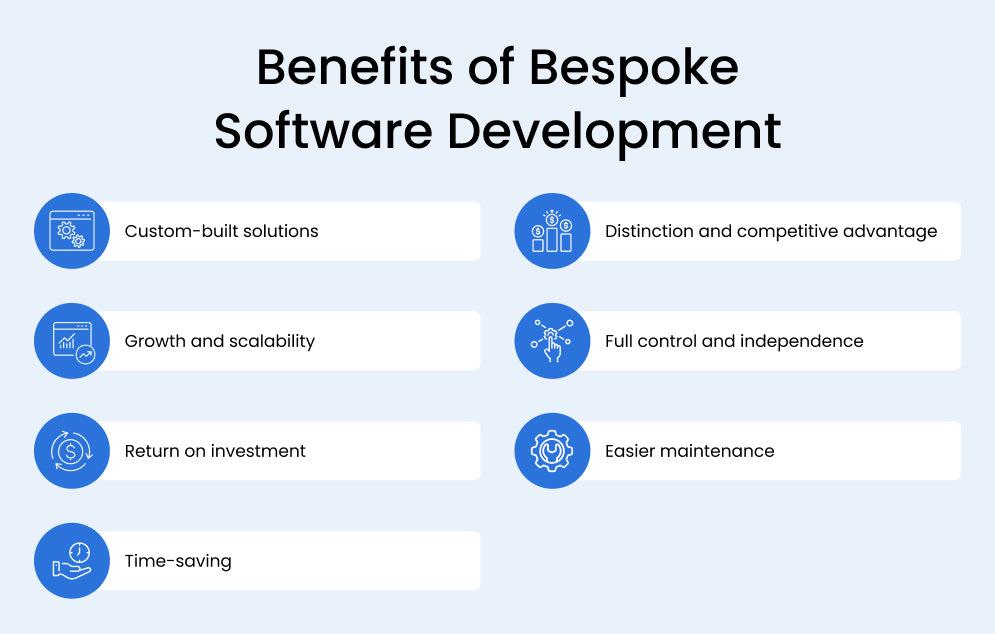
Business software development involves creating tailored solutions that address the specific needs and challenges faced by organizations. Whether it’s developing a customer relationship management (CRM) system, an enterprise resource planning (ERP) solution, or a custom application for internal use, customized software can provide a competitive edge by aligning technology with business goals.
Enhancing Efficiency and Productivity
By automating repetitive tasks, optimizing workflows, and centralizing data management, business software can significantly enhance efficiency within an organization. With the right software tools in place, employees can focus on strategic tasks that drive growth and innovation, leading to increased productivity and better outcomes.
Improving Decision-Making with Data Insights
Business software development also enables organizations to collect and analyze data more effectively. By leveraging analytics tools and reporting capabilities, businesses can gain valuable insights into their operations, customer behavior, market trends, and more. This data-driven approach empowers decision-makers to make informed choices that drive business growth.
Adapting to Changing Business Needs
In today’s rapidly evolving business landscape, agility is key to staying competitive. Customized software solutions are designed to be flexible and scalable, allowing businesses to adapt to changing requirements quickly. Whether it’s integrating new functionalities or expanding the system to accommodate growth, business software development provides the flexibility needed to meet evolving business needs.
Conclusion
Business software development is not just about creating applications; it’s about driving innovation, optimizing processes, and empowering organizations to thrive in a digital world. By investing in customized software solutions that align with their unique requirements, businesses can unlock new opportunities for growth and success.
8 Essential Tips for Successful Business Software Development
- Define clear objectives and requirements before starting the development process.
- Follow best practices and coding standards to ensure a high-quality software product.
- Regularly test and debug the software to identify and fix issues early on.
- Implement security measures to protect sensitive business data and user information.
- Document code, processes, and functionalities for easier maintenance and future updates.
- Utilize version control systems to track changes and collaborate effectively with team members.
- Consider scalability in design to accommodate future growth and increased workload.
- Incorporate user feedback throughout the development cycle to ensure the software meets business needs.
Define clear objectives and requirements before starting the development process.
To ensure the success of a business software development project, it is crucial to define clear objectives and requirements before embarking on the development process. By clearly outlining the goals, functionalities, and desired outcomes of the software solution upfront, stakeholders can align their expectations and ensure that the final product meets their needs effectively. This proactive approach not only helps streamline the development process but also minimizes the risk of scope creep and ensures that the project stays on track towards achieving its intended purpose.
Follow best practices and coding standards to ensure a high-quality software product.
Following best practices and coding standards is essential in business software development to ensure the delivery of a high-quality software product. By adhering to established guidelines and standards, developers can write clean, maintainable code that is easier to debug, test, and scale. Consistent coding practices also promote collaboration among team members and facilitate code reviews, leading to improved overall product quality and reliability. Embracing best practices in software development sets a solid foundation for building robust, efficient solutions that meet the needs of businesses and their users effectively.
Regularly test and debug the software to identify and fix issues early on.
Regularly testing and debugging business software is a critical practice to identify and rectify issues at an early stage of development. By conducting thorough testing procedures, developers can uncover potential bugs, errors, or inconsistencies in the software code before they escalate into larger problems. Addressing these issues promptly not only ensures the stability and reliability of the software but also saves time and resources in the long run. Regular testing and debugging are essential steps in maintaining a high-quality business software product that meets user expectations and delivers optimal performance.
Implement security measures to protect sensitive business data and user information.
Implementing robust security measures is essential in business software development to safeguard sensitive business data and user information. By prioritizing security protocols such as encryption, access controls, and regular security audits, businesses can mitigate the risk of data breaches and unauthorized access. Protecting confidential information not only builds trust with customers but also ensures compliance with data protection regulations, ultimately contributing to the overall success and reputation of the organization.
Document code, processes, and functionalities for easier maintenance and future updates.
Documenting code, processes, and functionalities is a critical tip in business software development as it ensures easier maintenance and future updates. By providing clear and comprehensive documentation, developers can easily understand the logic behind the code, the workflow of processes, and the intended functionalities of the software. This not only facilitates smoother troubleshooting and debugging but also enables seamless collaboration among team members. Additionally, well-documented software simplifies the onboarding process for new team members and ensures that future updates can be implemented efficiently without disrupting existing functionalities. Overall, thorough documentation is key to ensuring the longevity and scalability of business software solutions.
Utilize version control systems to track changes and collaborate effectively with team members.
Utilizing version control systems in business software development is essential for tracking changes and facilitating effective collaboration among team members. By using version control, developers can easily manage code modifications, track the history of changes, and revert to previous versions if needed. This not only ensures code integrity but also promotes seamless teamwork by providing a centralized platform for developers to work together, share feedback, and maintain a cohesive development process. Ultimately, integrating version control systems enhances productivity, transparency, and overall efficiency in software development projects.
Consider scalability in design to accommodate future growth and increased workload.
When embarking on business software development, it is crucial to consider scalability in design to ensure that the system can accommodate future growth and increased workload. By building a scalable architecture from the outset, businesses can easily expand the software’s capabilities as their operations evolve. This proactive approach not only saves time and resources in the long run but also ensures that the software remains efficient and effective in meeting the organization’s changing needs.
Incorporate user feedback throughout the development cycle to ensure the software meets business needs.
Incorporating user feedback throughout the development cycle is a crucial tip in business software development. By actively engaging with users and gathering their input at various stages of the development process, developers can ensure that the software aligns with the specific needs and preferences of the end users. This iterative approach not only helps in identifying potential issues early on but also allows for adjustments to be made promptly, resulting in a final product that is more likely to meet the business requirements effectively. By prioritizing user feedback, businesses can create software solutions that are user-centric, intuitive, and ultimately contribute to improved productivity and satisfaction among users.