The World of Software Development Projects
Software development projects play a crucial role in shaping the digital landscape of today’s world. From mobile apps to enterprise software systems, these projects encompass a wide range of technologies and methodologies that drive innovation and transformation across industries.
The Process
Software development projects typically follow a structured process that includes planning, design, implementation, testing, and deployment. This iterative approach allows developers to collaborate effectively, adapt to changing requirements, and deliver high-quality solutions that meet the needs of users.
Key Components
Key components of software development projects include:
- Requirements Gathering: Understanding the needs and objectives of the project.
- Design: Creating a blueprint for the software solution.
- Coding: Writing and implementing the code based on design specifications.
- Testing: Ensuring the functionality, performance, and security of the software.
- Deployment: Releasing the software for users to access and interact with.
Challenges and Opportunities
Software development projects come with their own set of challenges, such as changing requirements, tight deadlines, and technical complexities. However, they also present opportunities for creativity, innovation, and problem-solving that can lead to groundbreaking solutions that make a real impact.
The Future
As technology continues to evolve at a rapid pace, software development projects will play an increasingly important role in shaping our digital future. By embracing emerging technologies like artificial intelligence, blockchain, and cloud computing, developers can create transformative solutions that drive progress and change lives.
Top 7 FAQs About Navigating Software Development Projects
- What is the typical process involved in software development projects?
- How do you gather and prioritize requirements for a software development project?
- What are the key roles and responsibilities in a software development team?
- How do you ensure the quality of a software product during development?
- What methodologies or frameworks are commonly used in software development projects?
- How do you manage timelines and resources effectively in a software project?
- What are some common challenges faced during software development projects and how can they be addressed?
What is the typical process involved in software development projects?
The typical process involved in software development projects encompasses several key stages, starting with requirements gathering to understand the project objectives and user needs. This is followed by design, where a blueprint for the software solution is created. The coding phase involves writing and implementing the code based on design specifications, followed by rigorous testing to ensure functionality, performance, and security. Once the software has passed testing, it moves to the deployment stage where it is released for users to access and interact with. This iterative process allows for collaboration, adaptation to changing requirements, and ultimately the delivery of high-quality software solutions that meet user expectations.
How do you gather and prioritize requirements for a software development project?
In software development projects, gathering and prioritizing requirements is a critical step that sets the foundation for success. To gather requirements effectively, it is essential to engage with stakeholders, including clients, end-users, and subject matter experts, to understand their needs and objectives. Techniques such as interviews, surveys, workshops, and prototyping can help elicit valuable insights. Prioritizing requirements involves identifying the most crucial features based on factors like business value, impact on users, technical feasibility, and project constraints. Techniques like MoSCoW prioritization or impact-effort matrix can aid in making informed decisions on what features to include in the project scope. By carefully gathering and prioritizing requirements, software development teams can ensure that they deliver a solution that meets stakeholders’ expectations and achieves project goals effectively.
What are the key roles and responsibilities in a software development team?
In a software development team, there are several key roles and responsibilities that contribute to the success of a project. The roles typically include software developers who write and implement code, testers who ensure the quality and functionality of the software, project managers who oversee the planning and execution of the project, designers who create user interfaces and experiences, and system architects who design the overall structure of the software. Each team member plays a crucial role in collaborating effectively, communicating clearly, and delivering a high-quality software solution that meets the needs of users and stakeholders.
How do you ensure the quality of a software product during development?
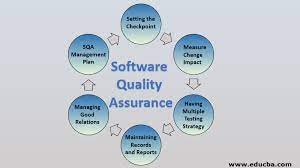
Ensuring the quality of a software product during development is a critical aspect of any software development project. To achieve this, various quality assurance practices are implemented throughout the development process. This includes thorough testing at each stage, from unit testing of individual components to integration testing of the entire system. Continuous feedback and iteration based on user requirements and feedback also play a key role in maintaining and improving quality. Additionally, adhering to coding standards, conducting code reviews, and using automated tools for static code analysis help identify and address potential issues early on. By emphasizing a proactive approach to quality assurance, software development teams can deliver reliable, user-friendly products that meet the highest standards of quality and performance.
What methodologies or frameworks are commonly used in software development projects?
In software development projects, various methodologies and frameworks are commonly used to guide the development process and ensure successful project outcomes. Some of the popular methodologies include Agile, Scrum, Waterfall, and DevOps. Agile emphasizes flexibility and collaboration, allowing teams to adapt to changing requirements quickly. Scrum is a specific Agile framework that focuses on iterative development cycles called sprints. Waterfall follows a sequential approach with distinct phases like requirements gathering, design, implementation, testing, and deployment. DevOps combines development and operations to enhance collaboration and automate processes for continuous delivery. Each methodology or framework offers unique benefits and is chosen based on the project’s requirements and goals.
How do you manage timelines and resources effectively in a software project?
Managing timelines and resources effectively in a software project is crucial to its success. To achieve this, project managers must carefully plan and allocate resources, set realistic deadlines, and continuously monitor progress. By creating detailed project schedules, identifying potential risks, and implementing agile methodologies, teams can adapt to changes swiftly and ensure that deadlines are met without compromising the quality of the deliverables. Effective communication among team members, stakeholders, and clients is also key to managing expectations and resolving any issues that may arise during the project lifecycle.
What are some common challenges faced during software development projects and how can they be addressed?
In software development projects, common challenges often include changing requirements, tight deadlines, communication gaps among team members, and technical complexities. To address these challenges effectively, it is crucial to establish clear and detailed project requirements from the outset, conduct regular communication and collaboration among team members, implement agile methodologies to adapt to changes efficiently, prioritize tasks based on criticality and dependencies, allocate sufficient time for testing and quality assurance processes, and leverage project management tools to track progress and manage resources effectively. By proactively addressing these challenges with a strategic approach, software development projects can overcome obstacles and achieve successful outcomes.