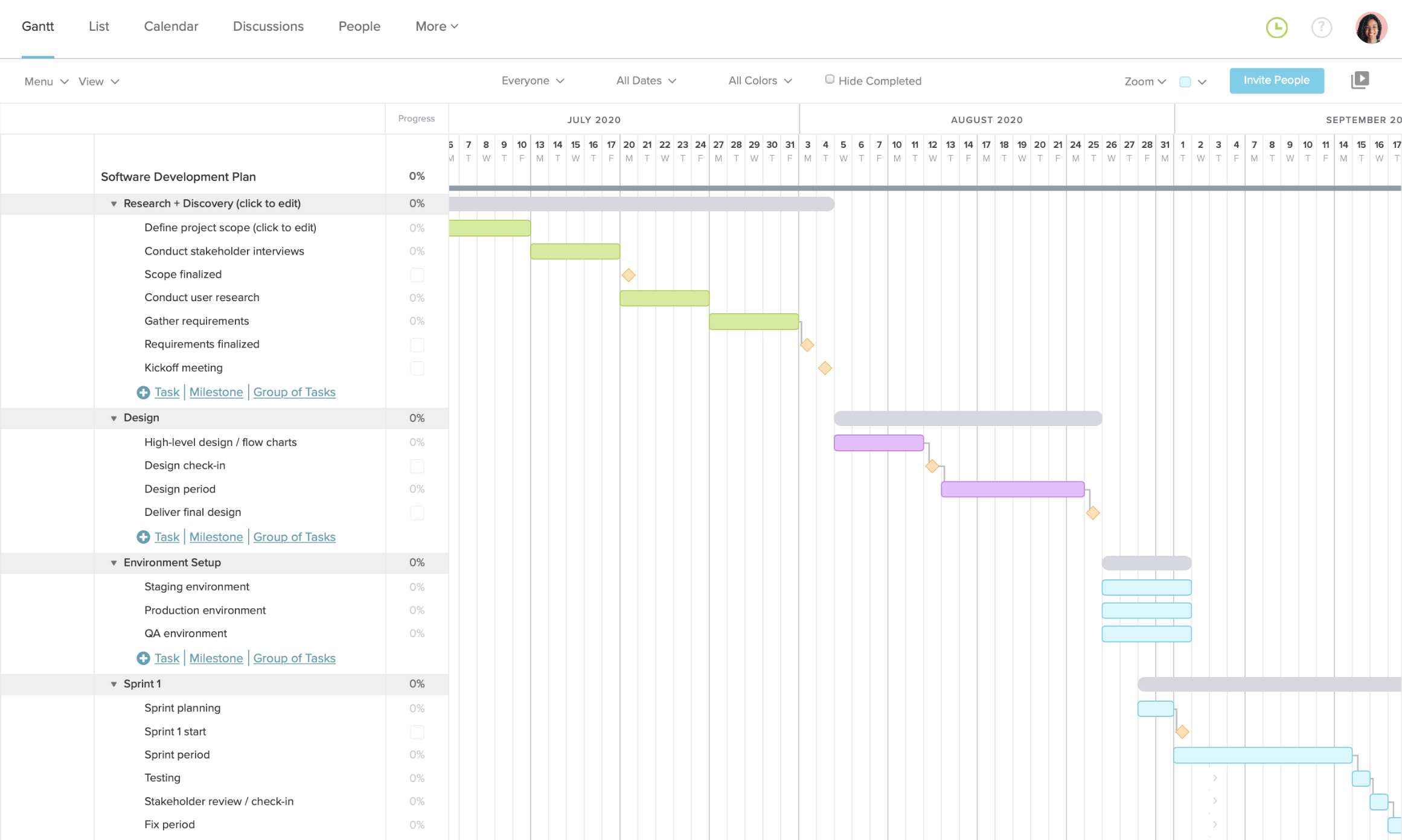
The Importance of Software Development Planning
Software development planning is a critical phase in the creation of any software product. It involves defining the scope, requirements, timeline, and resources needed for a successful project execution. Effective planning lays the foundation for a well-structured development process and can significantly impact the outcome of the final product.
Key Aspects of Software Development Planning
Requirement Analysis: Understanding the needs and expectations of stakeholders is essential for defining clear project requirements. This phase involves gathering user stories, conducting interviews, and creating detailed documentation to guide the development process.
Resource Allocation: Identifying the right team members with the necessary skills and expertise is crucial for project success. Allocating resources effectively ensures that tasks are completed on time and within budget.
Timeline Management: Creating a realistic timeline with achievable milestones helps keep the project on track. Regular monitoring and adjustments to the schedule can prevent delays and ensure timely delivery.
The Benefits of Effective Planning
Improved Efficiency: Proper planning streamlines the development process, reduces rework, and minimizes delays, leading to increased efficiency in project execution.
Better Communication: Clear planning facilitates effective communication among team members, stakeholders, and clients, ensuring everyone is aligned on project goals and expectations.
Risk Mitigation: Identifying potential risks early in the planning phase allows for proactive risk management strategies to be implemented, reducing the likelihood of issues affecting project delivery.
In Conclusion
Software development planning is an essential step that sets the stage for successful project implementation. By investing time and effort into thorough planning, teams can mitigate risks, improve efficiency, and deliver high-quality software products that meet or exceed client expectations.
9 Essential Tips for Effective Software Development Planning
- Clearly define project goals and objectives.
- Break down the project into smaller tasks or milestones.
- Estimate time and resources required for each task.
- Create a realistic timeline with achievable deadlines.
- Assign responsibilities to team members based on their strengths.
- Communicate effectively with team members to ensure everyone is on the same page.
- Regularly review and adjust the plan as needed to stay on track.
- Consider potential risks and have contingency plans in place.
- Celebrate achievements and learn from setbacks to improve future planning.
Clearly define project goals and objectives.
In software development planning, it is crucial to clearly define project goals and objectives to provide a clear direction for the entire development process. By establishing specific and measurable goals, teams can align their efforts towards achieving the desired outcomes. Clear project goals help in setting priorities, making informed decisions, and ensuring that all stakeholders are on the same page regarding the project’s purpose and expected results. This clarity not only guides the development team but also enables effective communication with clients and stakeholders throughout the project lifecycle.
Break down the project into smaller tasks or milestones.
Breaking down the project into smaller tasks or milestones is a crucial tip in software development planning. By dividing the project into manageable chunks, teams can focus on specific objectives, track progress more effectively, and ensure that each task is completed efficiently. This approach not only helps in better resource allocation but also allows for easier monitoring and adjustment of timelines as needed. Breaking down the project into smaller components enhances clarity, organization, and overall project management, leading to a more successful and streamlined development process.
Estimate time and resources required for each task.
When engaging in software development planning, it is crucial to estimate the time and resources required for each task. By accurately assessing the time needed to complete specific tasks and allocating the necessary resources, teams can create realistic project timelines and budgets. This practice helps in setting achievable goals, managing expectations, and ensuring that the project progresses smoothly without delays or resource constraints. Effective estimation of time and resources is key to successful project execution and delivering high-quality software products within set deadlines.
Create a realistic timeline with achievable deadlines.
Creating a realistic timeline with achievable deadlines is a crucial tip in software development planning. By setting clear and feasible milestones, teams can effectively manage their time and resources, ensuring that tasks are completed on schedule. Realistic timelines help prevent project delays, reduce stress on team members, and improve overall project efficiency. Additionally, meeting deadlines boosts team morale and client satisfaction, demonstrating professionalism and commitment to delivering high-quality software products.
Assign responsibilities to team members based on their strengths.
Assigning responsibilities to team members based on their strengths is a key tip in software development planning. By leveraging the unique skills and expertise of each team member, projects can be executed more efficiently and effectively. Recognizing individual strengths allows for tasks to be allocated in a way that maximizes productivity and quality of work. This approach not only enhances team collaboration but also boosts morale and motivation as team members are more likely to excel in areas where they shine brightest. Ultimately, aligning responsibilities with strengths leads to a smoother development process and better outcomes for the project as a whole.
Communicate effectively with team members to ensure everyone is on the same page.
Effective communication with team members is crucial in software development planning to ensure everyone is on the same page. By fostering clear and open communication channels, team members can align their understanding of project goals, requirements, and timelines. This helps in avoiding misunderstandings, reducing errors, and promoting collaboration among team members towards the successful execution of the software development plan.
Regularly review and adjust the plan as needed to stay on track.
Regularly reviewing and adjusting the software development plan as needed is a crucial tip to ensure the project stays on track. By conducting periodic reviews, teams can assess progress, identify any deviations from the original plan, and make necessary adjustments to realign efforts with project goals. This proactive approach allows for timely course corrections, helps in mitigating risks, and ensures that the development process remains efficient and effective throughout the project lifecycle.
Consider potential risks and have contingency plans in place.
When embarking on software development planning, it is crucial to consider potential risks that may arise during the project lifecycle and have contingency plans in place. By proactively identifying risks such as technical challenges, resource constraints, or changes in requirements, teams can develop strategies to mitigate these risks and ensure project continuity. Having well-thought-out contingency plans not only helps in minimizing disruptions but also demonstrates preparedness and adaptability in the face of unexpected challenges.
Celebrate achievements and learn from setbacks to improve future planning.
Celebrating achievements and learning from setbacks are crucial aspects of software development planning. By acknowledging and celebrating successes, teams can boost morale, motivation, and cohesion. Moreover, analyzing setbacks provides valuable insights that can inform future planning efforts. Understanding what went wrong allows teams to make necessary adjustments, refine strategies, and enhance their planning processes for more successful outcomes in the future.