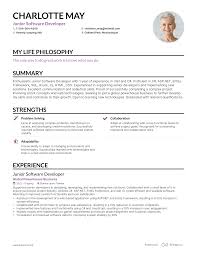
What Does a C++ Software Engineer Do?
A C++ software engineer designs, builds, tests, and maintains software using C++, a programming language known for its performance, flexibility, and control over computer resources. C++ is used in everything from operating systems and game engines to financial platforms, embedded devices, and high-performance applications.
The role combines strong programming skills with problem-solving and software design. C++ engineers often work closely with product managers, designers, QA specialists, and other developers to turn requirements into reliable software.
Common Responsibilities
The day-to-day work of a C++ software engineer varies by industry and project. Responsibilities may include:
- Writing, reviewing, and maintaining C++ code
- Designing software components and system architecture
- Improving application performance, reliability, and security
- Finding and fixing bugs using debugging and testing tools
- Creating automated tests and supporting quality assurance
- Working with APIs, databases, operating systems, or hardware
- Collaborating with a team through code reviews and technical discussions
- Documenting software and keeping up with changes to tools and standards
Where C++ Engineers Work
C++ is especially valuable when software needs to run quickly, use memory efficiently, or interact closely with hardware. Engineers who specialize in the language can work in many fields, including:
- Video games: Developing game engines, graphics systems, and gameplay features
- Embedded systems: Building software for devices such as vehicles, appliances, and industrial equipment
- Finance: Creating systems that process large volumes of data with low latency
- Telecommunications: Developing networking and communications software
- Robotics and automation: Building software that controls machines and processes sensor data
- Desktop and operating-system software: Creating applications and system-level tools
- Scientific computing: Supporting simulations, research, and other computationally intensive tasks
Skills and Knowledge
A strong C++ software engineer understands the language beyond its basic syntax. Important areas include object-oriented and generic programming, data structures, algorithms, memory management, and concurrency. Familiarity with modern C++ standards, such as C++11 and later, is also useful.
Engineers often work with tools such as compilers, debuggers, version control systems, build systems, and testing frameworks. Depending on the role, they may also need experience with Linux or Windows, networking, graphics programming, databases, or specific hardware platforms.
Technical ability is only part of the job. Clear communication, careful attention to detail, collaboration, and a willingness to investigate complex problems are also important. Software engineers need to explain tradeoffs and make code understandable for the people who will maintain it later.
Education and Career Preparation
Many C++ software engineers have a degree in computer science, software engineering, or a related field. A degree can provide a foundation in programming, algorithms, operating systems, and computer architecture. However, practical experience is also important, and some engineers develop their skills through independent study, boot camps, open-source contributions, or related technical roles.
Building projects is a useful way to demonstrate C++ skills. A portfolio might include a small game, a command-line application, an embedded project, or a performance-focused program. Projects that show readable code, thoughtful design, testing, and clear documentation can help demonstrate readiness for professional work.
Career Outlook and Growth
C++ remains relevant because many established systems depend on it and because the language continues to be used for performance-critical software. Career paths may lead to senior software engineer, systems architect, technical lead, engineering manager, or specialist roles in areas such as graphics, embedded development, or high-performance computing.
Like other software roles, job requirements and compensation vary based on location, industry, experience, and the complexity of the work. Reviewing current job postings is a practical way to understand which skills employers in a particular field are seeking.
Is C++ Engineering a Good Fit?
C++ engineering may suit people who enjoy understanding how software works under the hood and solving challenging technical problems. The language offers significant control, but that control also means engineers must pay close attention to correctness, memory use, and system behavior.
For those willing to build a strong foundation and keep learning, C++ can open doors to work on software that powers devices, applications, and infrastructure across many industries.
Everything You Need to Know About a C++ Software Engineer Career: Roles, Skills, Education, and Opportunities
- What does a C++ software engineer do?
- What skills does a C++ software engineer need?
- What education or degree is required to become a C++ software engineer?
- How do you become a C++ software engineer?
- What industries hire C++ software engineers?
- What tools and frameworks do C++ software engineers use?
- How much does a C++ software engineer earn?
- Is C++ still a good language for a software engineering career?
What does a C++ software engineer do?
A C++ software engineer designs, develops, tests, and maintains software written in C++. They may build applications, games, operating-system components, embedded systems, or other programs where performance and efficient use of computer resources are important. Their work often includes writing and reviewing code, fixing bugs, improving performance, and collaborating with other team members to deliver reliable software.
What skills does a C++ software engineer need?
A C++ software engineer needs strong knowledge of modern C++, including object-oriented and generic programming, data structures, algorithms, memory management, and concurrency. Skills with debugging, testing, version control, and build tools are also important, along with familiarity with operating systems such as Linux or Windows. Depending on the role, employers may value experience in areas like embedded systems, networking, graphics, or databases. Clear communication, teamwork, attention to detail, and practical problem-solving skills help engineers build reliable software and collaborate effectively.
What education or degree is required to become a C++ software engineer?
A bachelor’s degree in computer science, software engineering, or a related field is common for C++ software engineer roles, but it isn’t always required. Employers often value strong programming skills and practical experience just as highly, including knowledge of C++, data structures, algorithms, and software development tools. A portfolio of projects, internships, open-source contributions, or relevant work experience can help demonstrate those skills, especially for candidates without a traditional degree.
How do you become a C++ software engineer?
To become a C++ software engineer, learn programming fundamentals and modern C++, including data structures, algorithms, memory management, and object-oriented design. Build practical experience through personal projects, coursework, internships, or open-source contributions, and become comfortable with tools such as Git, debuggers, compilers, and testing frameworks. A degree in computer science or a related field can help, though employers also value demonstrated skills and a strong project portfolio. As you gain experience, focus on an area such as game development, embedded systems, finance, or high-performance computing, and tailor your résumé and projects to the roles you want.
What industries hire C++ software engineers?
C++ software engineers are hired across a wide range of industries, especially where speed, reliability, and efficient use of system resources are important. Common fields include video game development, automotive and other embedded systems, robotics, finance, telecommunications, aerospace, cybersecurity, scientific computing, and operating-system or desktop software. C++ is also used in healthcare technology and industrial automation, where software may need to interact with specialized devices or process data in real time.
What tools and frameworks do C++ software engineers use?
C++ software engineers use a range of tools and frameworks depending on the project. Common tools include IDEs such as Visual Studio, CLion, and VS Code; compilers such as GCC, Clang, and Microsoft Visual C++; and build systems such as CMake and Ninja. They may use Git for version control, debugging tools such as GDB or LLDB, and testing frameworks such as GoogleTest or Catch2. For application development, popular frameworks and libraries include Qt for cross-platform user interfaces, Boost for general-purpose components, and graphics or game technologies such as Unreal Engine. The right combination depends on the target platform, performance needs, and team workflow.
How much does a C++ software engineer earn?
A C++ software engineer’s earnings vary based on location, experience, industry, and job responsibilities. In the United States, salaries are often higher for engineers with specialized skills in areas such as embedded systems, game development, finance, or high-performance computing. Seniority, company size, and total compensation—including bonuses, stock, and benefits—can also make a significant difference. For the most accurate estimate, compare current salary surveys and job postings for your location and experience level.
Is C++ still a good language for a software engineering career?
Yes, C++ is still a strong choice for a software engineering career, especially in fields where performance, low-level system access, or efficient resource use matter. It’s widely used in game development, embedded systems, robotics, finance, and high-performance computing. While other languages may be more common for some types of application development, C++ skills remain valuable for building and maintaining critical software. Learning modern C++ alongside core concepts such as data structures, algorithms, and software design can help prepare you for a range of engineering roles.