What Is a Software Solution?
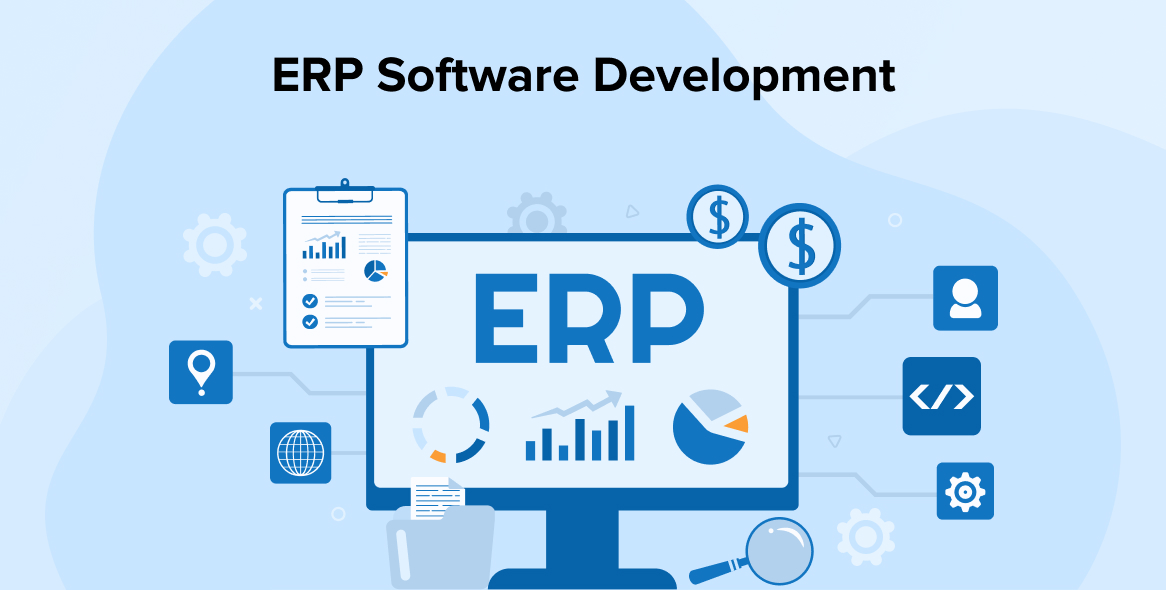
A software solution is an application, platform, or set of digital tools designed to address a specific business need. It can help an organization manage information, automate routine work, serve customers, or coordinate operations. The right solution is more than a piece of technology: it fits the way a business works and helps its people accomplish goals more effectively.
How Software Solutions Help Businesses
As companies grow, manual processes and disconnected tools can make everyday tasks slower and harder to manage. A well-designed software solution can bring work into one system, reduce repetitive steps, and make useful information easier to access. Depending on its purpose, it may help a business:
- Automate routine tasks and workflows
- Organize data and improve reporting
- Coordinate teams, customers, and suppliers
- Support online services and digital transactions
- Connect existing systems and applications
- Respond more quickly to changing business needs
Choosing the Right Solution
Every organization has different priorities, so selecting software should begin with a clear understanding of the problem to solve. Consider who will use the system, which tasks it needs to support, and how success will be measured. It is also important to review usability, security, integration with existing tools, ongoing maintenance, and the total cost of ownership.
Off-the-shelf software can be a practical choice when standard features meet a business’s needs. Custom software may be worth considering when existing products do not support essential workflows or when a company needs a solution tailored to its operations. In some cases, combining configurable software with custom integrations offers a balanced approach.
Planning for a Successful Implementation
Even the best software can fall short without careful planning. A successful implementation typically includes defined goals, input from the people who will use the system, a realistic rollout plan, and training. Testing before launch can reveal usability issues and help ensure the solution works as expected. After launch, regular feedback and maintenance help keep the system useful as requirements evolve.
Technology That Supports Real Needs
A software solution should make a meaningful difference to the people and processes it serves. By identifying the right challenges, choosing technology carefully, and planning for ongoing improvement, businesses can build a stronger foundation for efficiency and growth.
6 Practical Tips for Effective Problem-Solving
- Define the problem clearly.
- Break it into smaller parts.
- Consider multiple options.
- Choose a practical approach.
- Test the solution early.
- Review and improve the result.
Define the problem clearly.
Before choosing or designing a solution, define the problem clearly. Describe what is happening, who is affected, and how the issue impacts your goals or daily work. A precise problem statement helps focus research, avoid unnecessary features, and evaluate whether a proposed solution will address the underlying cause—not just the symptoms.
Break it into smaller parts.
Breaking a complex problem into smaller parts makes it easier to understand and solve. Identify the main goal, divide it into manageable tasks, and work through each one step by step. This approach can help you spot obstacles earlier, track your progress, and stay focused without feeling overwhelmed.
Consider multiple options.
Consider multiple options before choosing a solution. Compare available approaches based on how well they address your needs, their cost, ease of use, compatibility with existing tools, and potential for future growth. Gathering input from the people who will use the solution can also reveal practical considerations you might otherwise miss. A thoughtful comparison helps you make a confident choice that works both now and over time.
Choose a practical approach.
Choose a practical approach by focusing on solutions that address the real problem and fit your available time, budget, and resources. Break the work into manageable steps, consider how the solution will function in everyday use, and avoid adding complexity without a clear benefit. A straightforward, workable plan is often easier to implement, maintain, and improve over time.
Test the solution early.
Test the solution early to catch issues before they become costly or disrupt everyday work. Share a working version with a small group of users, gather their feedback, and check whether the solution meets its goals in real-world conditions. Early testing can reveal usability problems, missing features, and technical risks while there’s still time to make improvements.
Review and improve the result.
Reviewing and improving a solution helps ensure it truly meets the needs it was designed to address. After putting it into practice, gather feedback, check the results against your goals, and look for gaps, errors, or unnecessary steps. Use what you learn to make focused changes, then review the updated solution again. This ongoing process can improve quality, usability, and effectiveness over time.