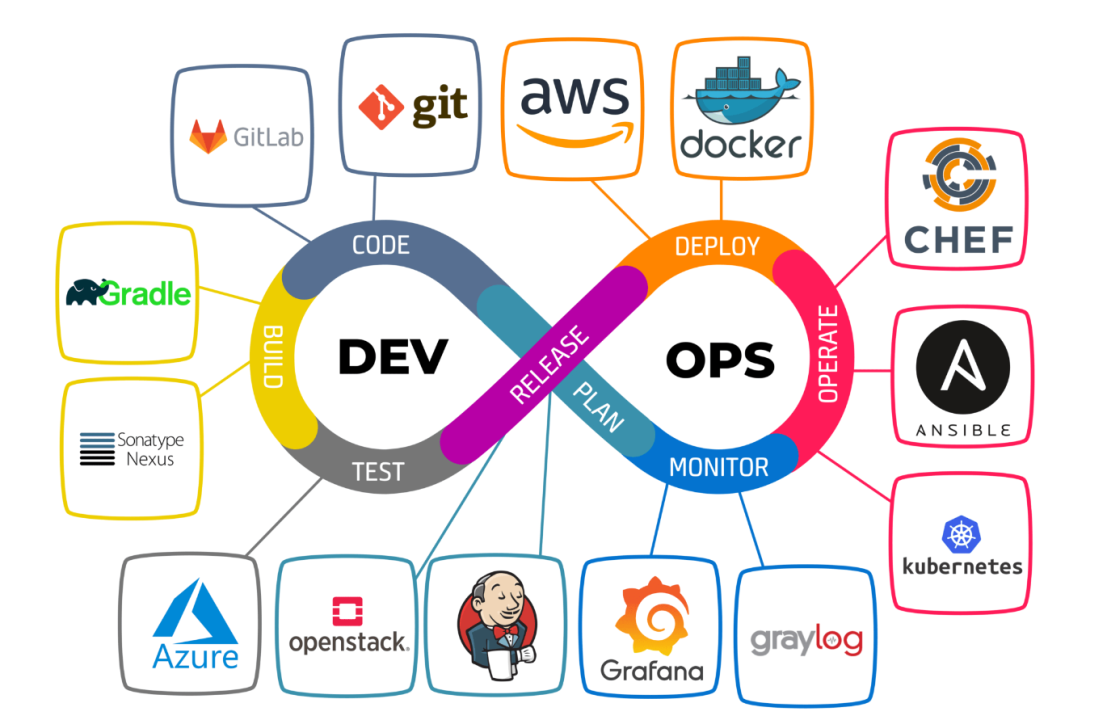
What Is a B.E. in Software Engineering?
A Bachelor of Engineering (B.E.) in Software Engineering is an undergraduate degree focused on designing, building, testing, and maintaining software systems. It combines computer science fundamentals with engineering methods, helping students learn how to create reliable, secure, and useful software at scale.
What Students Learn
Coursework varies by university, but a B.E. in Software Engineering commonly covers:
- Programming languages and software development
- Data structures and algorithms
- Computer systems and operating systems
- Database design and management
- Software architecture and design patterns
- Software testing and quality assurance
- Cybersecurity and secure development
- Project management and teamwork
Many programs also include labs, group projects, internships, or a capstone project. These experiences give students practice applying engineering concepts to real-world problems.
How Software Engineering Differs from Computer Science
Computer science often emphasizes the theory behind computation, algorithms, and computer systems. Software engineering focuses more directly on the processes and practices used to develop and maintain software products. The fields overlap, and both can prepare graduates for careers in technology. The best fit depends on a student’s interests and the specific curriculum of each program.
Skills Developed in the Program
Students learn technical skills such as writing and debugging code, analyzing requirements, designing software, and testing applications. They also develop skills that are valuable across industries, including communication, problem-solving, collaboration, and organizing complex projects.
Because technology changes quickly, successful software engineers also learn how to keep learning. Familiarity with one programming language or tool is useful, but the ability to adapt to new platforms and development practices is just as important.
Career Opportunities
Graduates may pursue roles such as:
- Software engineer or software developer
- Web or mobile application developer
- Quality assurance engineer or software tester
- Systems analyst
- DevOps or cloud engineer
- Database developer
- Cybersecurity analyst
Career options depend on a graduate’s skills, experience, and interests. Some roles may require additional training or specialized knowledge, and many professionals build experience through internships, personal projects, or entry-level positions.
Choosing a B.E. Software Engineering Program
When comparing programs, look beyond the degree title. Review the curriculum, practical project opportunities, internship support, faculty experience, and access to computing resources. It can also help to ask whether students work with modern development tools and learn about topics such as software security, cloud computing, and collaborative development.
Is Software Engineering a Good Fit?
A B.E. in Software Engineering may suit people who enjoy solving problems, working with technology, and building things through a careful, iterative process. The work often involves more than writing code: engineers communicate with teammates, understand user needs, evaluate trade-offs, and improve software over time.
Ultimately, the degree provides a foundation for a wide range of technology careers. Students who pair that foundation with hands-on experience, clear communication, and a commitment to continuous learning can be well prepared to contribute to modern software projects.
9 Essential Tips for Better Software Engineering
- Write clear, readable code.
- Break big tasks into small steps.
- Test changes before shipping.
- Use version control consistently.
- Ask questions when requirements are unclear.
- Review code with care and respect.
- Document important decisions.
- Keep learning new tools and techniques.
- Build software with users in mind.
Write clear, readable code.
Writing clear, readable code is an essential skill in software engineering. Code is often reviewed, updated, and maintained by people other than its original author, so use meaningful names, consistent formatting, and straightforward logic to make your work easy to understand. Add comments when they clarify a decision or explain complex behavior, but avoid relying on comments to compensate for confusing code. Readable code makes collaboration smoother, reduces mistakes, and helps teams maintain software over time.
Break big tasks into small steps.
In software engineering, breaking big tasks into small steps makes complex projects easier to plan, build, and test. Start by identifying the main goal, then divide it into manageable tasks with clear outcomes. Smaller steps help teams track progress, spot problems earlier, and make changes without disrupting the entire project. They also make it easier to estimate effort and keep work moving steadily.
Test changes before shipping.
Testing changes before shipping is an essential software engineering practice. Run automated tests and review the affected features to catch bugs, security issues, and unexpected side effects before users encounter them. Thorough testing helps protect software quality, reduces costly fixes later, and gives teams greater confidence when releasing updates.
Use version control consistently.
Use version control consistently to track changes to your code, collaborate safely, and recover from mistakes. Commit small, focused updates with clear messages, and use branches to develop features or fix bugs without disrupting the main project. A consistent workflow makes it easier to review work, understand how a project has changed, and coordinate with other developers.
Ask questions when requirements are unclear.
In software engineering, asking questions when requirements are unclear helps prevent misunderstandings, rework, and costly delays. Before writing code, clarify what the software should do, who will use it, and how success will be measured. Confirm assumptions with stakeholders, discuss edge cases, and document important decisions so the whole team shares the same understanding.
Review code with care and respect.
Review code with care and respect by focusing on the work, not the person who wrote it. Read changes closely, consider the purpose behind each decision, and offer specific, constructive feedback that explains potential issues and suggests practical improvements. Ask questions when something is unclear, acknowledge what works well, and keep discussions professional and collaborative. A thoughtful code review helps catch defects, share knowledge, and strengthen both the software and the team.
Document important decisions.
Documenting important decisions is a key habit in software engineering. Record what was decided, why it was chosen, and which alternatives were considered so teammates can understand the reasoning later. Clear notes help new team members get up to speed, reduce repeated discussions, and make it easier to maintain or change a system as requirements evolve.
Keep learning new tools and techniques.
In software engineering, technology and best practices change constantly, so make continuous learning part of your routine. Explore new tools, programming languages, and techniques through hands-on projects, courses, documentation, or technical communities. You don’t need to adopt every trend; focus on learning what solves real problems and helps you build more reliable, secure, and maintainable software.
Build software with users in mind.
Build software with users in mind by understanding who will use it, what they need, and where they may run into difficulties. Gather feedback early, keep the design clear and accessible, and test the product with real users throughout development. When user needs guide decisions—from features and navigation to performance and support—the result is software that is easier to use and more valuable in everyday life.