The Importance of Healthcare Software Development in the Modern Era
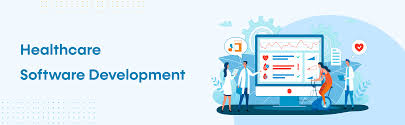
In today’s rapidly evolving healthcare landscape, the role of technology has become more crucial than ever. Healthcare software development plays a significant role in improving patient care, streamlining administrative processes, and enhancing overall efficiency within healthcare organizations.
Enhancing Patient Care
Healthcare software solutions enable healthcare providers to access patient records quickly, accurately, and securely. Electronic Health Records (EHR) systems allow for seamless communication between different departments and healthcare professionals, leading to better coordination of care and improved patient outcomes.
Streamlining Administrative Processes
From appointment scheduling and billing to inventory management and reporting, healthcare software automates many administrative tasks, reducing the burden on healthcare staff and minimizing errors. This efficiency not only saves time but also ensures that resources are allocated effectively to provide quality care to patients.
Improving Decision-Making
Advanced analytics tools integrated into healthcare software provide valuable insights into patient data, trends, and outcomes. Healthcare providers can make data-driven decisions that lead to more personalized treatment plans, better preventive care strategies, and improved population health management.
Ensuring Data Security and Compliance
With the increasing digitization of healthcare information, data security and compliance have become top priorities. Healthcare software developers adhere to strict regulations such as HIPAA (Health Insurance Portability and Accountability Act) to ensure that patient data is protected against unauthorized access or breaches.
The Future of Healthcare Software Development
As technology continues to advance, the future of healthcare software development holds great promise. Artificial intelligence (AI), telemedicine platforms, wearable devices, and blockchain technology are just a few examples of innovations that will further revolutionize the way healthcare is delivered and managed.
In conclusion, healthcare software development is a driving force behind the transformation of the healthcare industry. By leveraging technology effectively, healthcare organizations can improve patient care quality, optimize operational efficiency, and ultimately enhance the overall health outcomes for individuals and communities.
9 Essential Tips for Successful Healthcare Software Development
- Ensure compliance with healthcare regulations such as HIPAA.
- Prioritize data security and encryption to protect sensitive patient information.
- Implement robust user authentication and authorization mechanisms.
- Design user-friendly interfaces for healthcare professionals and patients.
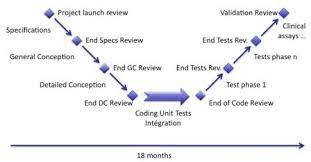
- Perform thorough testing to ensure software reliability and accuracy of medical data.
- Integrate interoperability standards to enable seamless data exchange between systems.
- Regularly update the software to incorporate new features and address security vulnerabilities.
- Provide training and support for users to maximize adoption and effective use of the software.
- Collaborate with healthcare professionals throughout the development process to ensure alignment with clinical workflows.
Ensure compliance with healthcare regulations such as HIPAA.
It is crucial for healthcare software development teams to prioritize compliance with healthcare regulations like HIPAA (Health Insurance Portability and Accountability Act). Ensuring that software solutions adhere to these regulations helps protect sensitive patient data from unauthorized access and maintains the trust of patients and healthcare providers. By incorporating HIPAA compliance measures into the development process, healthcare organizations can mitigate risks related to data security breaches and demonstrate their commitment to safeguarding patient privacy.
Prioritize data security and encryption to protect sensitive patient information.
In healthcare software development, it is crucial to prioritize data security and encryption to safeguard sensitive patient information. By implementing robust security measures, such as encryption protocols and access controls, healthcare organizations can ensure that patient data remains confidential and protected from unauthorized access or breaches. Prioritizing data security not only helps maintain patient trust but also ensures compliance with regulatory requirements, such as HIPAA, and mitigates the risks associated with potential data breaches.
Implement robust user authentication and authorization mechanisms.
Implementing robust user authentication and authorization mechanisms is a critical tip in healthcare software development. By ensuring that only authorized users have access to sensitive patient data, healthcare organizations can protect patient privacy and maintain data security. Strong authentication methods, such as multi-factor authentication and biometric verification, help prevent unauthorized access to electronic health records and other confidential information. Additionally, implementing role-based access control ensures that users only have permissions to view or modify data relevant to their roles, further enhancing data protection within the healthcare system.
Design user-friendly interfaces for healthcare professionals and patients.
Designing user-friendly interfaces for healthcare professionals and patients is a crucial tip in healthcare software development. By creating intuitive and easy-to-navigate interfaces, software developers can enhance the user experience, leading to increased efficiency in accessing and managing healthcare information. For healthcare professionals, user-friendly interfaces can streamline workflows, reduce errors, and improve overall productivity. Similarly, for patients, intuitive interfaces can empower them to take control of their health information, schedule appointments easily, and engage more actively in their care. Prioritizing user-friendly design ensures that healthcare software is accessible and beneficial to all stakeholders involved in the healthcare ecosystem.
Perform thorough testing to ensure software reliability and accuracy of medical data.
Performing thorough testing is crucial in healthcare software development to ensure the reliability and accuracy of medical data. By conducting comprehensive testing procedures, developers can identify and rectify any potential issues or bugs that may compromise the integrity of the software. This meticulous approach not only enhances the overall performance of the software but also instills confidence in healthcare professionals and patients who rely on accurate data for making critical decisions regarding patient care.
Integrate interoperability standards to enable seamless data exchange between systems.
Integrating interoperability standards in healthcare software development is essential to facilitate seamless data exchange between different systems within the healthcare ecosystem. By adhering to established standards such as HL7 (Health Level Seven) and FHIR (Fast Healthcare Interoperability Resources), healthcare organizations can ensure that patient information flows efficiently and securely across various platforms and applications. This interoperability not only enhances care coordination and clinical decision-making but also improves overall operational efficiency, ultimately leading to better outcomes for both patients and healthcare providers.
Regularly update the software to incorporate new features and address security vulnerabilities.
Regularly updating healthcare software is essential to stay current with the latest advancements and ensure the security of patient data. By incorporating new features, healthcare organizations can enhance the functionality of their systems, improve user experience, and adapt to evolving industry standards. Additionally, addressing security vulnerabilities through timely updates helps prevent potential data breaches and safeguards sensitive information, maintaining trust with patients and complying with regulatory requirements. Prioritizing software updates is a proactive measure that demonstrates a commitment to continuous improvement and the delivery of high-quality care in today’s dynamic healthcare environment.
Provide training and support for users to maximize adoption and effective use of the software.
To ensure the successful implementation of healthcare software solutions, it is essential to provide comprehensive training and ongoing support for users. By offering training sessions tailored to the specific needs of healthcare professionals and staff, organizations can maximize adoption rates and promote effective use of the software. Continuous support and guidance help users overcome any challenges they may encounter, leading to increased efficiency, improved patient care, and ultimately, a more seamless integration of technology into healthcare workflows.
Collaborate with healthcare professionals throughout the development process to ensure alignment with clinical workflows.
Collaborating with healthcare professionals throughout the development process is essential in ensuring that healthcare software solutions align seamlessly with clinical workflows. By involving doctors, nurses, and other healthcare practitioners from the early stages of development, software developers can gain valuable insights into the daily challenges and requirements of healthcare settings. This collaborative approach not only helps in creating user-friendly interfaces but also ensures that the software enhances rather than disrupts clinical workflows, ultimately leading to improved patient care and operational efficiency within healthcare organizations.