The World of iOS and Android App Development
Mobile applications have become an integral part of our daily lives, offering convenience, entertainment, and productivity on the go. Two major platforms dominate the mobile app market: iOS developed by Apple and Android developed by Google. Let’s explore the world of iOS and Android app development.
iOS App Development
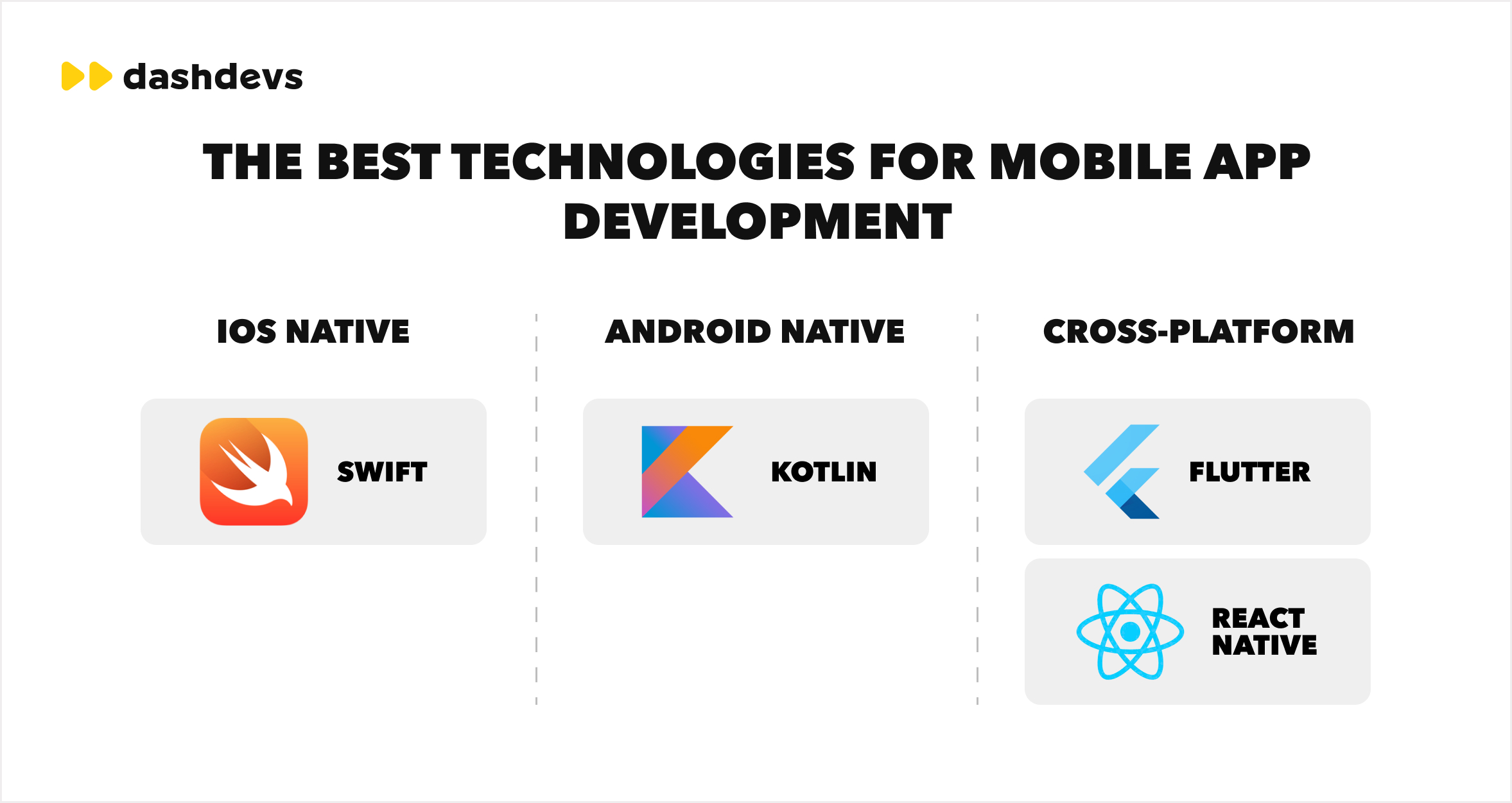
iOS is known for its sleek design, intuitive user interface, and strict quality standards. Developing an iOS app requires expertise in Swift or Objective-C programming languages along with Xcode IDE. Apple’s App Store provides a curated platform for developers to showcase their apps to millions of users worldwide.
Android App Development
Android offers a more open ecosystem with customization options and a larger user base globally. Java or Kotlin are commonly used programming languages for developing Android apps using Android Studio IDE. Google Play Store serves as the primary distribution channel for Android apps, offering a wide range of categories and features.
Key Considerations in App Development
When developing apps for both platforms, developers need to consider factors such as platform-specific design guidelines, performance optimization, security measures, and compatibility across different devices and OS versions. User experience plays a crucial role in the success of an app, requiring thorough testing and feedback collection.
Future Trends
The future of iOS and Android app development is constantly evolving with advancements in technologies like artificial intelligence, augmented reality, and Internet of Things (IoT). Cross-platform development tools such as React Native and Flutter are gaining popularity for building apps that run seamlessly on both iOS and Android devices.
Conclusion
iOS and Android app development offer endless possibilities for developers to create innovative solutions that cater to diverse user needs. By staying updated on the latest trends and best practices in mobile app development, developers can deliver exceptional experiences that engage users across platforms.
9 Essential Tips for Successful iOS and Android App Development
- Understand the platform guidelines for iOS and Android to ensure compliance.
- Optimize your app’s performance by minimizing memory usage and optimizing code.
- Design a user-friendly interface that is intuitive and easy to navigate on both platforms.
- Test your app thoroughly on different devices and screen sizes to ensure compatibility.
- Implement strong security measures to protect user data and prevent unauthorized access.
- Regularly update your app to fix bugs, improve performance, and add new features.
- Utilize push notifications effectively to engage users and keep them informed about updates or promotions.
- Monitor user feedback and analytics to gather insights for enhancing the app’s usability and functionality.
- Promote your app through various channels like social media, app review websites, and online advertisements.
Understand the platform guidelines for iOS and Android to ensure compliance.
To ensure compliance with platform guidelines for iOS and Android app development, it is crucial to have a deep understanding of the specific requirements set forth by Apple and Google. Adhering to these guidelines not only ensures that the app meets the standards for quality and performance but also enhances its chances of being approved for distribution on the respective app stores. By familiarizing oneself with the platform guidelines, developers can create apps that provide a seamless user experience while staying in line with industry best practices and regulations.
Optimize your app’s performance by minimizing memory usage and optimizing code.
To optimize your app’s performance in iOS and Android development, it is crucial to focus on minimizing memory usage and optimizing code. By efficiently managing memory allocation and reducing unnecessary data storage, developers can enhance the app’s responsiveness and overall speed. Optimizing code by implementing efficient algorithms, reducing redundant operations, and eliminating memory leaks can significantly improve the app’s performance on both platforms. Prioritizing performance optimization ensures a smoother user experience and increases the likelihood of user retention and satisfaction.
Design a user-friendly interface that is intuitive and easy to navigate on both platforms.
Designing a user-friendly interface that is intuitive and easy to navigate on both iOS and Android platforms is crucial for the success of mobile applications. By incorporating consistent design elements, familiar navigation patterns, and platform-specific guidelines, developers can ensure a seamless user experience across devices. Prioritizing usability and accessibility in the interface design not only enhances user satisfaction but also increases engagement and retention rates. Investing time and effort into creating a user-centric interface can make a significant difference in the overall usability and success of an app on both iOS and Android platforms.
Test your app thoroughly on different devices and screen sizes to ensure compatibility.
To ensure compatibility across various devices and screen sizes, it is crucial to thoroughly test your app during the iOS and Android app development process. By testing on a diverse range of devices, including smartphones and tablets with different screen resolutions and aspect ratios, developers can identify and address any potential issues related to layout, responsiveness, and functionality. This rigorous testing approach helps in delivering a seamless user experience and ensures that the app performs optimally for all users, regardless of the device they are using.
Implement strong security measures to protect user data and prevent unauthorized access.
When embarking on iOS and Android app development, it is crucial to prioritize the implementation of robust security measures to safeguard user data and thwart unauthorized access. By integrating encryption protocols, secure authentication methods, and regular security audits, developers can instill trust in users and uphold the integrity of the app ecosystem. Prioritizing data privacy and protection not only enhances user confidence but also ensures compliance with industry regulations, fostering a secure environment for seamless app interactions.
Regularly update your app to fix bugs, improve performance, and add new features.
Regularly updating your app is crucial in the world of iOS and Android app development. By releasing timely updates, developers can address bugs, enhance performance, and introduce new features to keep users engaged and satisfied. Updating your app not only ensures a smooth user experience but also demonstrates your commitment to delivering a high-quality product that evolves with the changing needs of your audience. Embracing a proactive approach to app maintenance through regular updates can help you stay competitive in the dynamic mobile app market and build long-lasting relationships with your users.
Utilize push notifications effectively to engage users and keep them informed about updates or promotions.
Utilizing push notifications effectively is a key strategy in iOS and Android app development to engage users and keep them informed about updates or promotions. By sending timely and relevant notifications, developers can enhance user retention, encourage app usage, and drive conversions. It is important to personalize notifications based on user preferences and behavior to ensure they add value rather than becoming intrusive. Implementing a well-planned push notification strategy can significantly improve user engagement and overall app success.
Monitor user feedback and analytics to gather insights for enhancing the app’s usability and functionality.
Monitoring user feedback and analytics is a crucial tip in iOS and Android app development. By collecting and analyzing user feedback, developers can gain valuable insights into how users interact with the app, identify pain points, and uncover opportunities for improvement. Leveraging analytics data allows developers to make data-driven decisions to enhance the app’s usability and functionality, ultimately leading to a more engaging and satisfying user experience. Continuous monitoring of user feedback and analytics ensures that the app evolves to meet the changing needs and preferences of its users.
Promote your app through various channels like social media, app review websites, and online advertisements.
To maximize the visibility and reach of your iOS and Android app, it is essential to promote it through various channels such as social media platforms, app review websites, and online advertisements. Leveraging social media channels allows you to engage with a wide audience, create buzz around your app, and encourage user interaction. Submitting your app to reputable app review websites can help generate exposure and credibility among potential users. Additionally, investing in targeted online advertisements can boost app downloads and attract users who may not have otherwise discovered your app. By utilizing these diverse promotional channels, you can increase awareness of your app and drive its success in the competitive mobile app market.