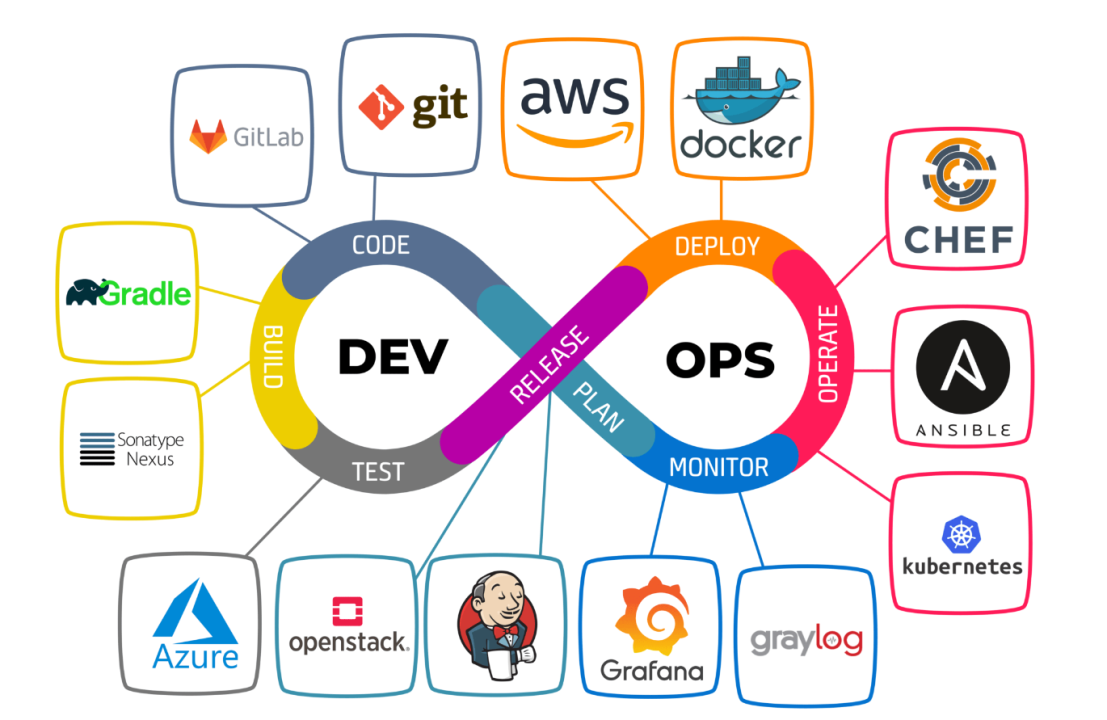
The Power of Rapid Software Development
In today’s fast-paced digital world, the ability to develop software quickly and efficiently is crucial for businesses to stay competitive. Rapid software development is a methodology that focuses on delivering high-quality software solutions in a short period of time.
One of the key advantages of rapid software development is its agility. By breaking down the development process into smaller, manageable tasks, teams can quickly adapt to changing requirements and market conditions. This flexibility allows businesses to respond to customer feedback faster and deliver products that meet their needs.
Rapid software development also promotes collaboration among team members. By working closely together and communicating effectively, developers, designers, and stakeholders can ensure that the project stays on track and meets its objectives. This collaborative approach fosters creativity and innovation, leading to better outcomes.
Furthermore, rapid software development emphasizes the importance of continuous testing and feedback. By regularly testing the software throughout the development process, teams can identify and address issues early on, reducing the risk of costly errors later. Feedback from users and stakeholders helps teams make informed decisions and prioritize features that add value.
Overall, rapid software development offers businesses a competitive edge by enabling them to bring products to market faster, adapt to changing demands, and deliver value to customers efficiently. By embracing this methodology, organizations can accelerate their digital transformation efforts and achieve success in today’s dynamic business landscape.
Understanding Rapid Software Development: Key FAQs and Insights
- What is rapid software development?
- How does rapid software development differ from traditional software development?
- What are the benefits of rapid software development for businesses?
- What are the key principles of rapid software development?
- How does rapid software development promote collaboration among team members?
- What role does agility play in rapid software development?
- How important is continuous testing and feedback in rapid software development?
- What challenges may arise when implementing rapid software development?
- Can any type of project benefit from using a rapid software development approach?
What is rapid software development?
Rapid software development is a methodology that emphasizes delivering high-quality software solutions quickly and efficiently. It involves breaking down the development process into smaller, manageable tasks to increase agility and adaptability. By focusing on collaboration, continuous testing, and feedback, rapid software development enables teams to respond to changing requirements and market conditions effectively. This approach empowers businesses to accelerate their digital transformation efforts, bring products to market faster, and meet customer needs in a dynamic and competitive environment.
How does rapid software development differ from traditional software development?
Rapid software development differs from traditional software development in its approach and methodology. Unlike traditional methods that follow a linear and sequential process, rapid software development emphasizes flexibility, adaptability, and quick iterations. In rapid development, projects are broken down into smaller modules or iterations that can be developed and tested independently, allowing for faster feedback and adjustments. This iterative approach enables teams to respond to changing requirements and market conditions more effectively, leading to quicker delivery of high-quality software solutions. Additionally, rapid software development promotes closer collaboration among team members and stakeholders, fostering innovation and continuous improvement throughout the development process.
What are the benefits of rapid software development for businesses?
Rapid software development offers numerous benefits for businesses seeking to enhance their competitive edge in today’s fast-paced market. One key advantage is the ability to deliver high-quality software solutions in a shorter timeframe, allowing businesses to respond swiftly to changing market demands and customer needs. By adopting rapid development methodologies, businesses can improve time-to-market for their products, increase efficiency in project delivery, and foster innovation through continuous feedback and iteration. This approach not only accelerates the development process but also enables organizations to stay ahead of the competition, adapt quickly to evolving technologies, and ultimately drive business growth and success.
What are the key principles of rapid software development?
The key principles of rapid software development revolve around agility, collaboration, iterative processes, and continuous feedback. Agility allows teams to adapt quickly to changing requirements and market conditions, ensuring flexibility in delivering high-quality solutions. Collaboration among team members fosters creativity and innovation, leading to better outcomes. Iterative processes break down the development cycle into smaller tasks, enabling incremental progress and early identification of issues. Continuous feedback from users and stakeholders helps teams make informed decisions and prioritize features that add value, ultimately driving the success of rapid software development projects.
How does rapid software development promote collaboration among team members?
Rapid software development promotes collaboration among team members by fostering a culture of communication and shared responsibility. By breaking down the development process into smaller, manageable tasks, team members are encouraged to work closely together, share ideas, and provide feedback. This collaborative approach allows for better coordination and alignment of efforts, leading to increased efficiency and productivity. Additionally, rapid software development emphasizes the importance of regular meetings, stand-ups, and reviews to ensure that everyone is on the same page and working towards common goals. Through continuous interaction and collaboration, team members can leverage their diverse skills and perspectives to deliver high-quality software solutions that meet the needs of users effectively.
What role does agility play in rapid software development?
Agility plays a pivotal role in rapid software development by enabling teams to swiftly respond to changing requirements and market dynamics. In this methodology, agility allows teams to break down complex projects into smaller, manageable tasks, facilitating quicker decision-making and adaptation. By fostering a flexible and iterative approach, agility ensures that development efforts remain aligned with the evolving needs of users and stakeholders. This adaptability not only accelerates the delivery of high-quality software solutions but also enhances collaboration among team members, leading to improved efficiency and innovation throughout the development process.
How important is continuous testing and feedback in rapid software development?
Continuous testing and feedback play a crucial role in rapid software development. In this fast-paced methodology, regular testing ensures that any issues or bugs are identified early in the development process, allowing teams to address them promptly. Feedback from users and stakeholders provides valuable insights that help prioritize features, make informed decisions, and ensure that the final product meets the needs of its intended audience. By integrating continuous testing and feedback into the development cycle, teams can iterate quickly, improve product quality, and deliver value to customers efficiently in the rapidly evolving digital landscape.
What challenges may arise when implementing rapid software development?
When implementing rapid software development, several challenges may arise that need to be carefully managed. One common challenge is maintaining quality while working under tight timelines. The focus on speed can sometimes lead to overlooking important aspects such as thorough testing and code review, which can result in bugs and technical debt. Another challenge is ensuring effective communication and collaboration among team members, especially when working on fast-paced iterations. Clear communication channels and regular feedback mechanisms are essential to prevent misunderstandings and keep the project on track. Additionally, managing changing requirements and priorities can be challenging in rapid development environments, requiring a flexible approach to adapt to evolving needs while still delivering value to stakeholders. By addressing these challenges proactively, teams can navigate the complexities of rapid software development successfully and achieve their project goals effectively.
Can any type of project benefit from using a rapid software development approach?
The use of a rapid software development approach can benefit a wide range of projects across various industries. While this methodology is particularly well-suited for projects with evolving requirements, tight deadlines, or a need for frequent iterations, it may not be suitable for every type of project. Projects that require extensive planning, strict regulatory compliance, or long-term stability may not be ideal candidates for rapid software development. It is essential to assess the specific needs and characteristics of each project to determine whether a rapid approach would be the most effective and efficient way to achieve the desired outcomes.