Understanding IoT Software Development
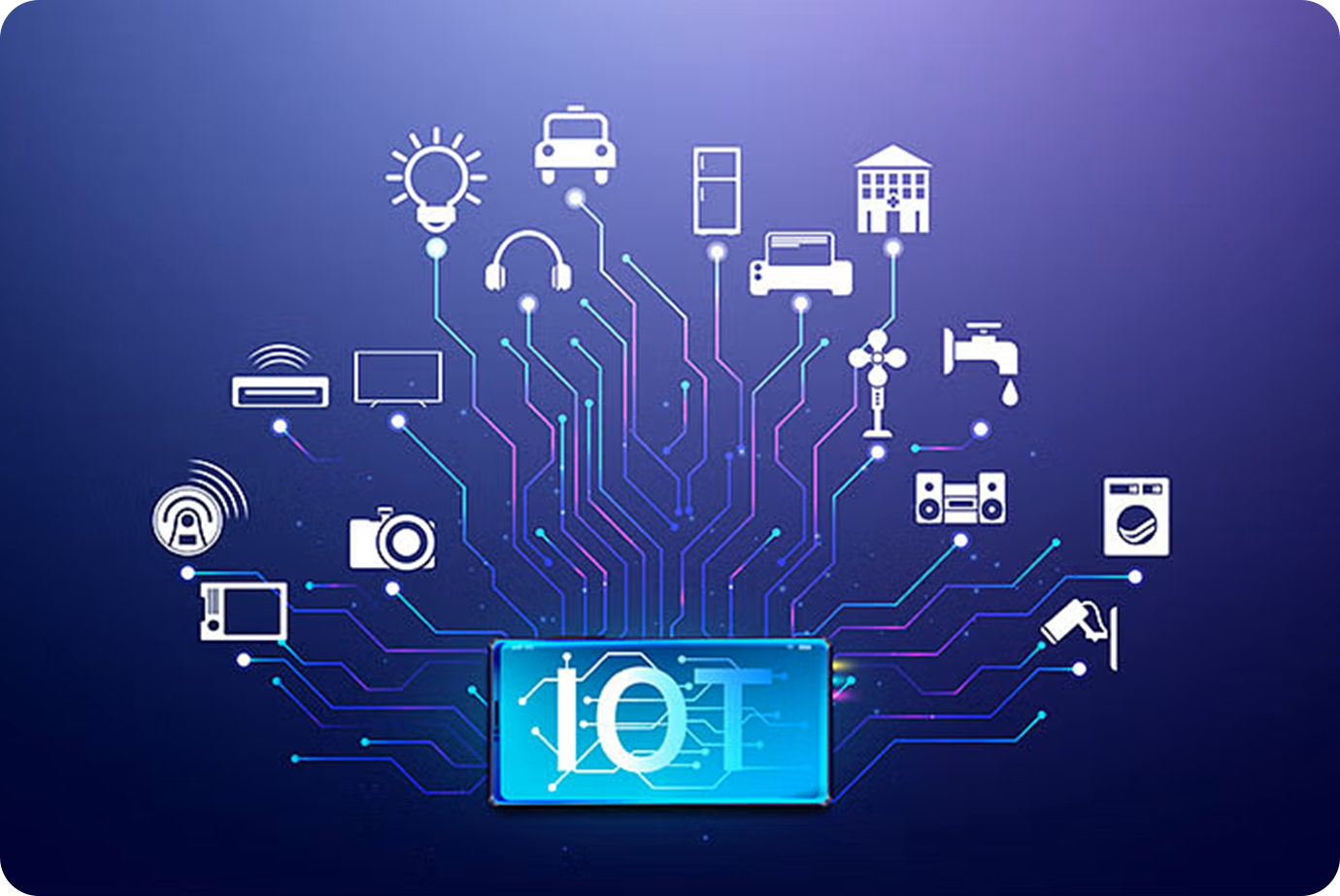
The Internet of Things (IoT) is revolutionizing the way we interact with the world around us. By connecting everyday objects to the internet, IoT enables these devices to send and receive data, creating a network of smart devices that can communicate with each other. At the heart of this technology lies IoT software development, which plays a crucial role in bringing these innovative solutions to life.
What is IoT Software Development?
IoT software development involves creating applications and systems that allow interconnected devices to function seamlessly. This includes developing software for sensors, gateways, and cloud-based platforms that manage and analyze data collected from various devices. The goal is to create a cohesive ecosystem where devices can operate efficiently and provide valuable insights.
Key Components of IoT Software Development
- Sensors and Devices: These are the physical components that collect data from the environment. They can range from simple temperature sensors to complex industrial machinery.
- Connectivity: Devices need a reliable communication protocol to share data with other devices or central systems. Common protocols include Wi-Fi, Bluetooth, Zigbee, and cellular networks.
- Data Processing: Once data is collected, it needs to be processed for analysis. This can occur on edge devices or in centralized cloud servers depending on the application’s requirements.
- User Interface: A user-friendly interface is essential for users to interact with the system effectively. This could be a mobile app or a web-based dashboard providing real-time insights.
The Challenges in IoT Software Development
Developing software for IoT presents unique challenges due to its complexity and scale. Security is one of the top concerns as more connected devices mean more potential entry points for cyberattacks. Ensuring robust security measures are in place is essential.
Additionally, interoperability between different devices and platforms can be challenging due to varying standards and protocols. Developers must ensure their solutions are flexible enough to integrate with diverse systems while maintaining performance efficiency.
The Future of IoT Software Development
The future of IoT software development looks promising as advancements in artificial intelligence (AI) and machine learning (ML) enhance the capabilities of connected systems. These technologies allow for smarter decision-making processes by analyzing vast amounts of data quickly and accurately.
Moreover, as 5G networks become more widespread, they will provide faster connectivity speeds and lower latency, further enabling real-time applications in various sectors such as healthcare, transportation, and smart cities.
Conclusion
IoT software development is at the forefront of technological innovation, transforming industries by providing smarter solutions that improve efficiency and productivity. As technology continues to evolve rapidly, developers will play an integral role in shaping how we interact with our increasingly connected world.
7 Essential Tips for Successful IoT Software Development
- Understand the requirements and goals of the IoT project thoroughly.
- Choose the right hardware components that meet the project’s needs.
- Focus on security from the beginning to protect IoT devices and data.
- Implement efficient data management strategies for handling large amounts of IoT data.
- Design a user-friendly interface for easy interaction with IoT devices.
- Test the IoT software extensively to ensure reliability and performance under various conditions.
- Stay updated with emerging technologies and standards in the field of IoT development.
Understand the requirements and goals of the IoT project thoroughly.
To ensure the success of an IoT software development project, it is crucial to thoroughly understand the requirements and goals of the project. By gaining a comprehensive understanding of what the project aims to achieve and the specific needs it must fulfill, developers can tailor their solutions effectively. This initial step sets the foundation for a successful development process, guiding decision-making and resource allocation throughout the project lifecycle. Clear communication and alignment on project requirements and goals among all stakeholders are essential to deliver a robust IoT solution that meets expectations and drives desired outcomes.
Choose the right hardware components that meet the project’s needs.
Selecting the appropriate hardware components that align with the specific requirements of an IoT software development project is crucial for its success. The chosen hardware components, such as sensors, gateways, and communication modules, play a vital role in collecting and transmitting data effectively. By carefully evaluating the project’s needs and selecting hardware that is reliable, compatible, and scalable, developers can ensure seamless integration and optimal performance of the IoT system. Making informed decisions about hardware components early in the development process can lead to a more efficient and robust IoT solution that meets the desired objectives.
Focus on security from the beginning to protect IoT devices and data.
To ensure the integrity and safety of IoT devices and data, it is crucial to prioritize security measures from the outset of the software development process. By focusing on security from the beginning, developers can implement robust protocols and encryption methods to safeguard against potential cyber threats. This proactive approach not only protects sensitive information but also instills trust in users, fostering a secure environment for the seamless operation of interconnected devices within the IoT ecosystem.
Implement efficient data management strategies for handling large amounts of IoT data.
Implementing efficient data management strategies is crucial in IoT software development, especially when dealing with large volumes of data generated by interconnected devices. By optimizing how data is collected, stored, and processed, developers can ensure that valuable insights are extracted in a timely and cost-effective manner. Effective data management strategies not only improve system performance but also enhance scalability and security, enabling IoT applications to operate smoothly and deliver actionable information for informed decision-making.
Design a user-friendly interface for easy interaction with IoT devices.
Designing a user-friendly interface is crucial in IoT software development to ensure seamless interaction with connected devices. A well-designed interface not only enhances the user experience but also simplifies the process of monitoring and controlling IoT devices. By prioritizing intuitive design elements and clear navigation, users can easily access and manage their smart devices, ultimately improving efficiency and usability in the IoT ecosystem.
Test the IoT software extensively to ensure reliability and performance under various conditions.
Testing the IoT software extensively is crucial to guarantee its reliability and performance across different scenarios. By subjecting the software to a variety of conditions, developers can identify and address potential issues before deployment, ensuring a seamless user experience. Thorough testing helps validate the functionality of interconnected devices, data processing capabilities, and communication protocols, ultimately enhancing the overall quality and efficiency of the IoT solution.
Stay updated with emerging technologies and standards in the field of IoT development.
To excel in IoT software development, it is crucial to stay updated with emerging technologies and standards in the field. The landscape of IoT is constantly evolving, with new advancements and protocols being introduced regularly. By keeping abreast of the latest trends and industry standards, developers can ensure that their solutions are not only cutting-edge but also interoperable and secure. Continuous learning and adaptation to the changing IoT ecosystem are key to delivering innovative and reliable software that meets the demands of today’s connected world.