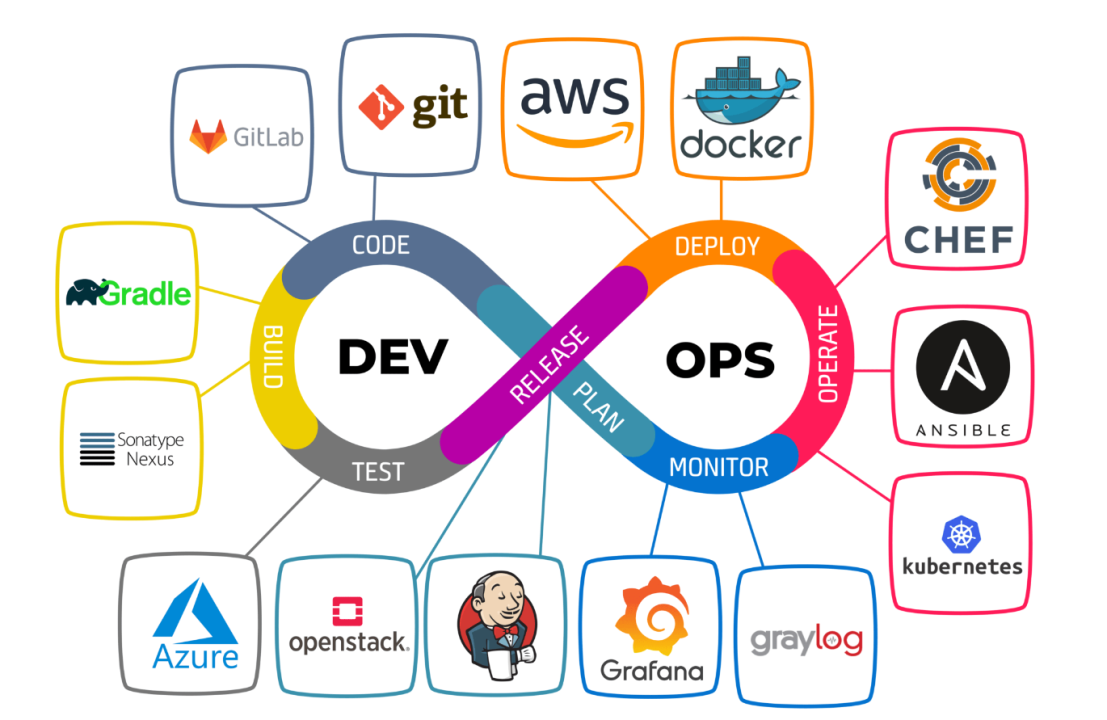
The Evolution of XP Software Development
Extreme Programming (XP) is a software development methodology that emphasizes customer satisfaction, flexibility, and continuous improvement. It is known for its agile approach to development, focusing on collaboration, feedback, and simplicity.
Key Principles of XP
XP is guided by several key principles that shape the way software is developed:
- Communication: XP promotes open communication among team members, stakeholders, and customers to ensure everyone is on the same page throughout the development process.
- Simplicity: The emphasis on simplicity in XP encourages developers to create straightforward solutions that meet the project’s requirements without unnecessary complexity.
- Feedback: Continuous feedback loops are integral to XP, allowing for quick adjustments and improvements based on real-time input from users and stakeholders.
- Courage: XP encourages courage in decision-making, empowering team members to take risks and make bold choices in pursuit of innovation.
- Respect: Respect for individuals and their contributions is fundamental in XP, fostering a positive team dynamic and a supportive work environment.
The XP Process
In an XP development cycle, software is built incrementally through short iterations called sprints. Each sprint focuses on delivering a specific set of features or improvements based on customer priorities. Testing is integrated throughout the process to ensure quality at every stage.
Benefits of XP
The XP methodology offers several benefits to development teams and organizations:
- Rapid Delivery: By breaking down development into small iterations, XP enables faster delivery of working software.
- Flexibility: The iterative nature of XP allows for changes to be incorporated easily as requirements evolve.
- Quality Assurance: Continuous testing and feedback help maintain high-quality standards throughout the development cycle.
- Closer Collaboration: The emphasis on communication and teamwork fosters strong relationships among team members and stakeholders.
In Conclusion
The principles of Extreme Programming have revolutionized the software development industry by promoting agility, collaboration, and customer-centricity. By embracing the core values of communication, simplicity, feedback, courage, and respect, teams can deliver high-quality software that meets user needs effectively and efficiently.
9 Essential Tips for Effective XP Software Development: From Task Management to Team Collaboration
- Break down tasks into smaller chunks for easier implementation and testing.
- Regularly communicate with team members to ensure everyone is on the same page.
- Prioritize tasks based on their importance and impact on the project.
- Embrace changes in requirements and be flexible in adapting to them.
- Write clean and maintainable code to facilitate collaboration and future updates.
- Encourage pair programming to improve code quality and knowledge sharing among team members.
- Automate repetitive tasks such as testing and deployment processes for efficiency.
- Collect feedback from stakeholders early and often to incorporate improvements continuously.
- Celebrate successes and learn from failures as a team to foster a positive work environment.
Break down tasks into smaller chunks for easier implementation and testing.
Breaking down tasks into smaller chunks is a key tip in XP software development that enhances the implementation and testing processes. By dividing complex tasks into manageable units, developers can focus on one piece at a time, ensuring better control and efficiency. This approach not only simplifies the development process but also facilitates more thorough testing of individual components, leading to higher quality outcomes. Additionally, breaking tasks into smaller chunks allows for quicker feedback loops and easier identification of issues, ultimately contributing to a more agile and responsive development cycle.
Regularly communicate with team members to ensure everyone is on the same page.
Regular communication with team members is a crucial tip in XP software development to maintain alignment and cohesion within the project. By consistently sharing updates, progress, and challenges with each other, team members can ensure that everyone is on the same page regarding project goals, tasks, and timelines. This practice fosters collaboration, reduces misunderstandings, and promotes a unified approach towards achieving project success.
Prioritize tasks based on their importance and impact on the project.
In Extreme Programming (XP) software development, it is crucial to prioritize tasks based on their importance and impact on the project. By focusing on high-priority tasks that have a significant influence on the project’s success, teams can ensure that they are delivering value to customers efficiently. This approach helps in maximizing productivity, addressing critical requirements first, and adapting to changing needs effectively throughout the development process. Prioritizing tasks based on their importance and impact enables teams to stay focused on delivering results that align with the project goals and customer expectations.
Embrace changes in requirements and be flexible in adapting to them.
In Extreme Programming (XP) software development, it is crucial to embrace changes in requirements and maintain flexibility in adapting to them. By being open to evolving needs and priorities, development teams can respond effectively to new insights and feedback throughout the project lifecycle. This approach not only ensures that the final product aligns closely with customer expectations but also fosters a culture of continuous improvement and innovation within the team.
Write clean and maintainable code to facilitate collaboration and future updates.
Writing clean and maintainable code in XP software development is crucial for enabling seamless collaboration among team members and ensuring the ease of future updates. By adhering to coding best practices and keeping the codebase organized and readable, developers can work more efficiently together, troubleshoot issues effectively, and make modifications or additions to the software with confidence. Clean code not only enhances the overall quality of the project but also contributes to its long-term sustainability and adaptability, aligning perfectly with the iterative and customer-focused approach of Extreme Programming.
Encourage pair programming to improve code quality and knowledge sharing among team members.
Encouraging pair programming in XP software development can significantly enhance code quality and promote knowledge sharing within the team. By pairing up developers to work together on writing code, reviewing each other’s work, and discussing solutions in real-time, teams can catch errors early, brainstorm creative solutions, and benefit from diverse perspectives. This collaborative approach not only leads to higher-quality code but also facilitates the transfer of expertise among team members, fostering a culture of continuous learning and improvement.
Automate repetitive tasks such as testing and deployment processes for efficiency.
Automating repetitive tasks, such as testing and deployment processes, is a crucial tip in XP software development to enhance efficiency. By automating these tasks, teams can save time, reduce human error, and streamline the development cycle. Automated testing ensures that code changes are thoroughly checked for bugs and issues, while automated deployment processes enable swift and consistent delivery of software updates. Embracing automation in XP not only accelerates the development process but also improves overall product quality and reliability.
Collect feedback from stakeholders early and often to incorporate improvements continuously.
Collecting feedback from stakeholders early and consistently in the XP software development process is crucial for driving continuous improvement. By engaging stakeholders at the outset of a project and maintaining open lines of communication throughout, development teams can gather valuable insights and suggestions that inform iterative enhancements. This proactive approach not only ensures that the software aligns closely with stakeholder expectations but also enables teams to adapt quickly to changing requirements, resulting in a more refined and user-centric end product.
Celebrate successes and learn from failures as a team to foster a positive work environment.
Celebrating successes and learning from failures as a team is a crucial tip in XP software development. By acknowledging achievements and sharing lessons from setbacks collectively, teams can cultivate a positive work environment built on mutual support and continuous improvement. Recognizing accomplishments boosts morale and motivation, while analyzing failures constructively helps identify areas for growth and refinement. This collaborative approach not only strengthens team cohesion but also enhances the overall productivity and effectiveness of the development process.