The Benefits of Scrum Software Development
Scrum is a popular agile framework used in software development to enhance collaboration, flexibility, and productivity. It emphasizes iterative development cycles called sprints, where teams work on small, manageable tasks to deliver incremental value. Here are some key benefits of adopting Scrum:
Increased Flexibility
Scrum allows for changes to be incorporated easily during the development process. With its iterative approach, teams can adapt to evolving requirements and feedback quickly, making it ideal for projects with changing priorities.
Enhanced Collaboration
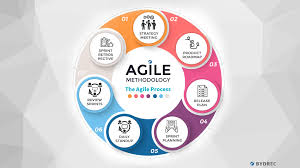
Scrum promotes close collaboration among team members, stakeholders, and customers. Daily stand-up meetings, sprint planning sessions, and retrospectives foster communication and transparency, leading to better alignment and shared understanding of project goals.
Faster Time-to-Market
By breaking down the project into smaller increments and delivering working software at the end of each sprint, Scrum accelerates the time-to-market for products. This rapid feedback loop enables teams to make necessary adjustments early in the development cycle.
Improved Product Quality
The focus on delivering potentially shippable increments in each sprint ensures that quality is maintained throughout the development process. Regular testing, reviews, and continuous integration practices help identify issues early and address them promptly.
Empowered Teams
Scrum empowers cross-functional teams to self-organize and make decisions collaboratively. By providing autonomy and accountability to team members, Scrum fosters a sense of ownership and commitment that drives motivation and productivity.
In conclusion, Scrum software development offers numerous benefits that enable teams to deliver high-quality products efficiently while adapting to changing requirements. By embracing the principles of agility and collaboration inherent in Scrum, organizations can streamline their development processes and achieve greater success in today’s fast-paced digital landscape.
9 Essential Tips for Effective Scrum Software Development
- 1. Define clear goals and requirements for each sprint.
- 2. Hold daily stand-up meetings to keep the team aligned and updated on progress.
- 3. Encourage collaboration and communication among team members.
- 4. Use burndown charts to track progress and identify any potential issues early on.
- 5. Prioritize tasks based on their importance and impact on the project.
- 6. Conduct regular retrospective meetings to reflect on what went well and what can be improved.
- 7. Empower team members to make decisions and take ownership of their work.
- 8. Keep the product backlog updated with new features, changes, or improvements.
- 9. Continuously seek feedback from stakeholders to ensure that the product meets their expectations.
1. Define clear goals and requirements for each sprint.
In Scrum software development, it is crucial to define clear goals and requirements for each sprint. By establishing specific objectives and outlining the necessary tasks to achieve them, teams can focus their efforts effectively and ensure alignment with the overall project vision. Clear sprint goals provide a roadmap for the team, guiding their work and enabling them to deliver tangible results within the sprint timeframe. This practice not only enhances productivity but also fosters transparency, communication, and accountability among team members, ultimately leading to successful project outcomes.
2. Hold daily stand-up meetings to keep the team aligned and updated on progress.
In Scrum software development, holding daily stand-up meetings is a crucial practice to ensure team alignment and keep everyone updated on project progress. These brief meetings provide an opportunity for team members to discuss their tasks, share any challenges they are facing, and coordinate efforts effectively. By fostering open communication and transparency, daily stand-ups promote collaboration, identify potential roadblocks early on, and enable the team to adapt quickly to changing circumstances. This regular cadence of communication helps maintain focus, accountability, and a shared understanding of project goals among team members.
3. Encourage collaboration and communication among team members.
Encouraging collaboration and communication among team members is crucial in Scrum software development. By fostering an environment where team members openly share ideas, feedback, and challenges, the entire team can work together more effectively towards achieving project goals. Regular communication helps ensure that everyone is aligned on project priorities, progress, and potential roadblocks, leading to improved coordination and a stronger sense of teamwork. Emphasizing collaboration not only enhances productivity but also promotes a culture of trust and mutual support within the team.
4. Use burndown charts to track progress and identify any potential issues early on.
In Scrum software development, utilizing burndown charts is a valuable tip to monitor project progress effectively and detect potential issues at an early stage. Burndown charts visually represent the remaining work versus time, enabling teams to track their performance against the project timeline. By regularly reviewing burndown charts, teams can identify trends, deviations, or bottlenecks in the development process promptly. This proactive approach allows for timely adjustments and interventions to ensure that the project stays on track and meets its objectives efficiently.
5. Prioritize tasks based on their importance and impact on the project.
In Scrum software development, it is crucial to prioritize tasks based on their importance and impact on the project. By focusing on tasks that carry the most value and significance for the project’s success, teams can ensure that their efforts are directed towards delivering maximum impact within each sprint. Prioritization helps teams allocate resources effectively, manage dependencies, and maintain a clear focus on achieving the project’s objectives in a timely manner.
6. Conduct regular retrospective meetings to reflect on what went well and what can be improved.
In Scrum software development, conducting regular retrospective meetings is a crucial practice to foster continuous improvement within the team. By reflecting on what went well and what can be improved during each sprint, team members can identify successes to celebrate and areas for enhancement. These meetings provide a valuable opportunity for open communication, collaboration, and learning from past experiences, ultimately leading to increased efficiency, productivity, and overall project success.
7. Empower team members to make decisions and take ownership of their work.
In Scrum software development, empowering team members to make decisions and take ownership of their work is a crucial tip for fostering collaboration and enhancing productivity. By granting autonomy and accountability to team members, organizations enable individuals to contribute their expertise, creativity, and commitment to project success. This approach not only boosts motivation but also cultivates a sense of responsibility and ownership that drives team members to deliver high-quality results while working cohesively towards shared goals.
8. Keep the product backlog updated with new features, changes, or improvements.
In Scrum software development, it is crucial to keep the product backlog updated with new features, changes, or improvements. By regularly refining and prioritizing the backlog based on evolving requirements and feedback, teams ensure that they are working on the most valuable tasks at any given time. This practice helps maintain alignment with project goals, enables effective planning for upcoming sprints, and ultimately contributes to delivering a high-quality product that meets the needs of stakeholders and customers.
9. Continuously seek feedback from stakeholders to ensure that the product meets their expectations.
In Scrum software development, it is crucial to continuously seek feedback from stakeholders to ensure that the product aligns with their expectations and requirements. By engaging stakeholders throughout the development process, teams can gather valuable insights, address any concerns or changes early on, and ultimately deliver a product that meets the needs of the end users. This iterative feedback loop not only enhances collaboration and transparency but also helps in refining the product to achieve maximum satisfaction and value for all stakeholders involved.