Software and Applications Programmers: Turning Ideas Into Useful Technology
Software and applications programmers create the instructions that make computers, phones, websites, and other digital devices work. They write, test, and maintain code for products ranging from mobile apps and business software to games and large-scale online services. Their work helps people communicate, solve problems, manage information, and complete everyday tasks.
What Do Programmers Do?
A programmer’s responsibilities vary depending on the project and workplace. Common tasks include:
- Writing code to build new software features and applications
- Reviewing project requirements and translating them into technical solutions
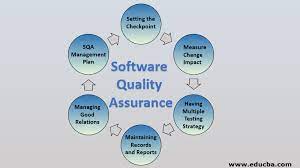
- Testing software to find and fix errors
- Updating existing programs to improve performance, security, or usability
- Working with designers, product managers, engineers, and customers
- Documenting code and explaining how software works
Programming is not just about typing code. It also involves breaking complex problems into manageable steps, making thoughtful design choices, and checking that a solution works reliably for the people who will use it.
Different Areas of Programming
Software and applications programmers may specialize in a particular type of technology or product. For example, web developers build websites and web applications, while mobile app developers create software for phones and tablets. Desktop software programmers develop programs that run on personal computers, and game programmers help create interactive entertainment.
Other programmers focus on the systems behind the scenes. They may work on databases, cloud services, operating systems, cybersecurity tools, or software that connects different applications. In many organizations, a project brings together people with several specialties.
Languages, Tools, and Technologies
Programmers use different programming languages and tools depending on what they are building. Languages such as Python, Java, JavaScript, C#, and C++ are used across a wide range of projects. Developers may also work with databases, software frameworks, cloud platforms, testing tools, and version control systems that help teams manage changes to code.
No single language or tool is right for every project. Programmers choose technologies based on factors such as the product’s purpose, performance needs, security requirements, and the skills of the development team.
Skills That Help Programmers Succeed
Technical knowledge is important, but successful programming also depends on communication and problem-solving. Useful skills include:
- Logical thinking: Identifying the steps needed to solve a problem
- Attention to detail: Catching mistakes that can affect how software behaves
- Persistence: Investigating issues and refining solutions when the first attempt does not work
- Communication: Explaining technical ideas and collaborating with others
- Adaptability: Learning new tools and adjusting to changing project needs
- Security awareness: Considering how to protect data and reduce software risks
How Software Is Created
Software development often begins with a goal: a need to solve a problem, improve a process, or offer a new service. The team gathers requirements, plans how the product should work, and chooses suitable technologies. Programmers then build features, test them, and revise the software based on results and feedback.
Many teams release software in stages rather than waiting until every feature is complete. This approach makes it possible to learn from users, address issues, and make improvements over time. Once a product is released, programmers may continue to maintain it, fix bugs, and add new capabilities.
Learning to Program
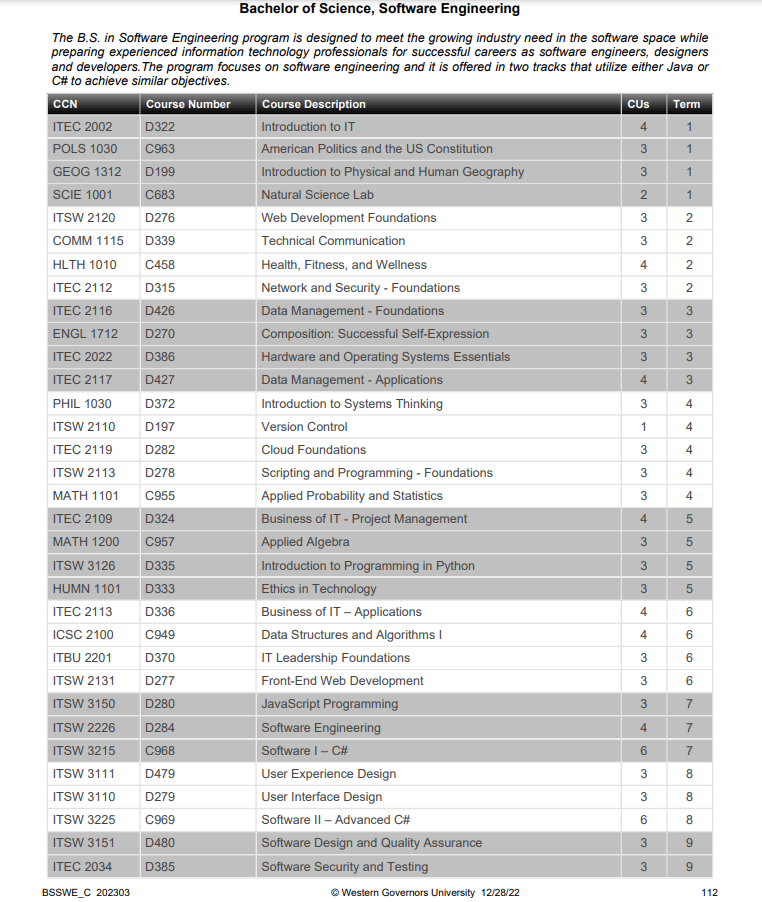
People enter programming through different paths, including college programs, technical training, online courses, independent study, and hands-on projects. Building small applications is a practical way to learn: projects help students apply concepts, practice debugging, and create work they can share with potential employers.
Because technologies change, learning continues throughout a programmer’s career. Reading documentation, experimenting with new tools, and working with other developers can help programmers keep their skills current.
The Impact of Programmers
Software and applications programmers help shape how people work, learn, shop, communicate, and access services. Their work can make business processes more efficient, help organizations manage information, and bring useful digital products to a wider audience. By combining technical skills with an understanding of users’ needs, programmers turn ideas into tools people can rely on.
7 Essential Tips for Software and Application Programmers
- Write clear, maintainable code.
- Test changes before release.
- Use version control consistently.
- Protect user data and privacy.
- Document key decisions and workflows.
- Design for accessibility and usability.
- Keep software dependencies up to date.
Write clear, maintainable code.
Writing clear, maintainable code makes software easier to understand, update, and troubleshoot. Use meaningful names for variables and functions, keep each part of the program focused, and follow consistent formatting and coding conventions. Add comments when they clarify complex decisions, but avoid cluttering code with explanations of the obvious. These habits help teammates—and your future self—work with the code confidently as the application grows and changes.
Test changes before release.
Test every software change before releasing it to users. Careful testing helps programmers catch bugs, compatibility issues, and unexpected behavior early, when they are easier to fix. Run automated tests where possible, check how the change works in realistic scenarios, and confirm that existing features still function as expected. A thorough review before release can improve reliability, protect the user experience, and reduce the risk of costly problems later.
Use version control consistently.
Use version control consistently to track changes to your code, collaborate safely with teammates, and recover earlier versions when something goes wrong. Make small, focused commits with clear messages so it’s easy to understand what changed and why. Regularly sync your work with the shared repository, and use branches to develop features or fix bugs without disrupting the main codebase.
Protect user data and privacy.
Protecting user data and privacy is an essential responsibility for software and applications programmers. Build privacy into an application from the start by collecting only the information needed, storing it securely, and limiting access to authorized users. Use practices such as encryption, strong authentication, and regular security testing to reduce the risk of data exposure. Clear privacy settings and straightforward explanations also help users understand how their information is collected and used.
Document key decisions and workflows.
Documenting key decisions and workflows helps software and applications programmers keep projects clear, consistent, and easier to maintain. Record why important technical choices were made, how major features work, and what steps are needed to build, test, or deploy the software. Clear, up-to-date documentation helps teammates get up to speed, reduces confusion, and makes it easier to troubleshoot issues or continue work when project requirements or team members change.
Design for accessibility and usability.
Designing for accessibility and usability helps ensure software works well for people with a wide range of abilities, devices, and needs. Use clear language, consistent navigation, readable text, and sufficient color contrast, and make sure features can be used with a keyboard and assistive technologies such as screen readers. Test the application with diverse users and address barriers early in development. Thoughtful, inclusive design makes software easier for everyone to use.
Keep software dependencies up to date.
Keep software dependencies up to date to benefit from security fixes, bug patches, and performance improvements. Outdated libraries and frameworks can expose applications to known vulnerabilities or cause compatibility problems as other systems change. Review dependency updates regularly, test them in a development or staging environment, and check release notes before deploying changes. For critical applications, use a consistent update process and keep a record of dependency versions so your team can address issues quickly.