Application Software Development Services: Building Solutions for Your Business
Application software development services help businesses create digital tools tailored to their goals, customers, and workflows. From customer-facing mobile apps to internal business platforms, the right application can make everyday tasks simpler, improve user experiences, and support growth.
Whether you are launching a new product or modernizing an existing system, a thoughtful development approach can turn a business need into a reliable, secure, and maintainable software solution.
What Are Application Software Development Services?
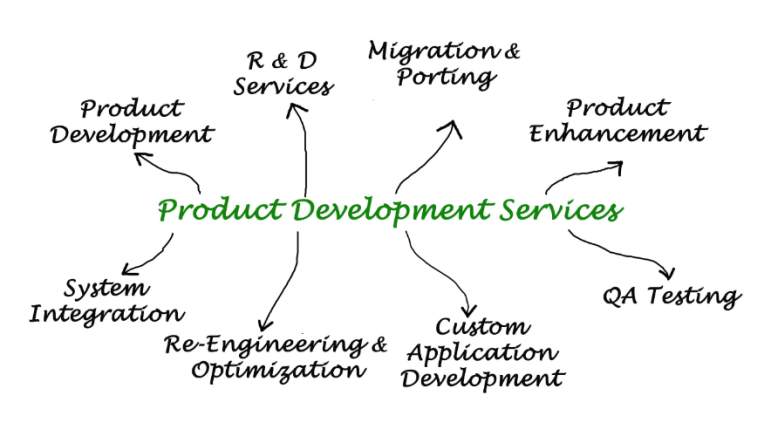
Application software development services cover the planning, design, creation, testing, launch, and ongoing improvement of software applications. These services may include building web, mobile, desktop, or cloud-based applications, as well as connecting new software with systems a business already uses.
A development engagement can be tailored to a specific project. Some businesses need support from initial research through launch, while others may need help with a particular stage, such as user interface design, application programming interface development, quality assurance, or maintenance.
Types of Applications
- Web applications: Browser-based tools such as customer portals, booking platforms, dashboards, and online marketplaces.
- Mobile applications: Apps designed for smartphones and tablets, including native apps and cross-platform solutions.
- Desktop applications: Software installed on computers for specialized tasks, data management, or offline use.
- Enterprise applications: Systems that support business operations, such as inventory management, workflow automation, and customer relationship management.
- Cloud applications: Solutions hosted on cloud infrastructure to support flexible access, collaboration, and scaling.
What the Development Process Involves
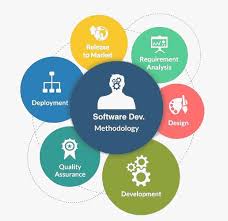
Discovery and planning
The project begins with a clear understanding of the business problem, intended users, requirements, budget, and timeline. This stage helps define the application’s scope and prioritize the features that matter most.
Design and prototyping
Designers map out the user experience and create visual concepts or interactive prototypes. Early feedback can help refine navigation, accessibility, and functionality before development is underway.
Development
Developers build the application’s features, user interface, and supporting systems. The technology choices should fit the project’s requirements, including performance, integrations, security, and future maintenance.
Testing and quality assurance
Testing helps identify defects and confirm that the application behaves as expected across supported devices, browsers, and environments. It may include functional, usability, performance, compatibility, and security testing.
Launch and ongoing support
After deployment, the application may need monitoring, updates, security patches, performance improvements, and new features. Ongoing support helps keep the software useful as business needs and technology change.
Benefits of Custom Application Development
Off-the-shelf software can be a practical choice for common needs. Custom development may be a better fit when a business has specialized workflows, unique customer requirements, or systems that need to work together in a particular way.
- Better alignment with business processes: Features can be designed around how the organization works.
- Improved user experience: Interfaces and workflows can be shaped around the needs of specific users.
- Integration with existing systems: Applications can connect with selected databases, services, and business tools.
- Room to evolve: A well-planned solution can be updated as the organization grows or priorities change.
- Greater control: Businesses can have more influence over features, data handling, and the product roadmap.
Choosing an Application Development Partner
Selecting a development partner is an important decision. Look for a team that takes time to understand your goals, explains technical options clearly, and sets realistic expectations. It is also useful to ask about the team’s development process, communication practices, quality assurance, security approach, and post-launch support.
Before work begins, agree on the project scope, key milestones, ownership of deliverables, and how changes will be handled. Clear communication and shared expectations can help reduce surprises throughout the project.
Plan for Long-Term Success
A successful application is more than a collection of features. It should solve a real problem, be straightforward to use, and be built with security, accessibility, and maintenance in mind. Starting with clear requirements and a focused first release can help a business deliver value sooner while leaving room for future improvements.
With the right strategy and development process, application software development services can help transform ideas into dependable digital products that support customers, employees, and business operations.
Application Software Development Services: 8 Frequently Asked Questions
- What are application software development services?
- How much does it cost to develop a custom software application?
- How long does it take to develop a software application?
- What is the application software development process?
- What types of applications can a development company build?
- How do I choose the right application software development company?
- Can a custom application integrate with my existing business systems?
- What support and maintenance does an application need after launch?
What are application software development services?
Application software development services cover the process of planning, designing, building, testing, and maintaining software applications for specific business or user needs. These services can include web, mobile, desktop, and cloud-based applications, as well as integrations with existing systems. Depending on the project, a development team may also provide user experience design, quality assurance, deployment, and ongoing support.
How much does it cost to develop a custom software application?
The cost to develop a custom software application varies based on its features, complexity, design, integrations, security requirements, and the platforms it needs to support. A simple application or minimum viable product may cost tens of thousands of dollars, while a complex, enterprise-grade solution can cost substantially more. Ongoing expenses for hosting, maintenance, updates, and support should also be included in your budget. A detailed estimate typically requires a clear understanding of your goals, users, and project requirements.
How long does it take to develop a software application?
The time required to develop a software application depends on its complexity, features, design, integrations, and testing requirements. A simple application may take a few weeks to a few months, while a larger, custom solution can take six months or longer. The timeline can also be affected by how quickly requirements are finalized, feedback is provided, and decisions are made. A development team can offer a more accurate estimate after understanding the project’s goals and scope.
What is the application software development process?
The application software development process typically begins with understanding the business goals, users, and requirements. The team then plans the project, designs the user experience and technical architecture, and builds the application in stages. Testing helps identify issues and confirm the software works as intended before it is deployed. After launch, ongoing maintenance, security updates, and improvements keep the application reliable and aligned with changing needs. Many teams use an iterative approach, gathering feedback throughout development to refine the product.
What types of applications can a development company build?
A development company can build a wide range of applications, including web apps, mobile apps for iOS and Android, desktop software, cloud-based platforms, and enterprise tools for tasks such as managing customers, inventory, or workflows. It can also create e-commerce sites, customer portals, custom business applications, and software that integrates with existing systems. The right solution depends on your goals, users, and technical requirements.
How do I choose the right application software development company?
Choose an application software development company with experience building solutions similar to yours and a clear understanding of your industry, users, and goals. Review its portfolio, client references, technical expertise, and approach to security, testing, communication, and ongoing support. Ask how the team manages scope, timelines, budgets, and changes, and make sure its process and working style fit your needs. A strong partner will explain options clearly, set realistic expectations, and focus on creating a solution that can adapt as your business grows.
Can a custom application integrate with my existing business systems?
Yes. A custom application can often integrate with your existing business systems, such as CRM, ERP, accounting, inventory, and payment platforms. Integration options depend on the systems involved and may include APIs, secure data connections, or third-party tools. During planning, a development team can assess compatibility, data requirements, and security considerations to recommend an approach that helps your applications work together smoothly.
What support and maintenance does an application need after launch?
After launch, an application needs ongoing monitoring, bug fixes, security updates, and compatibility checks to keep it reliable and safe. Support may also include performance improvements, data backups, help for users, and updates as devices, operating systems, or third-party services change. Over time, maintenance can address new business needs and add features based on user feedback. The right support plan depends on the application’s complexity, usage, and risk level, but regular maintenance helps protect the investment and deliver a consistent user experience.