Agile Application Development: Building Better Software Through Collaboration
Application development rarely follows a perfectly predictable path. Customer needs change, new ideas emerge, and teams often learn important lessons only after seeing a feature in action. Agile application development helps teams respond to that reality by delivering software in small, manageable steps and using feedback to guide what comes next.
What Is Agile Application Development?
Agile application development is an approach to planning, building, testing, and improving software through short, iterative cycles. Instead of waiting until a large project is complete to review the results, a team works on a small set of priorities, delivers a usable increment, and gathers feedback regularly.
Agile is not a single process or tool. It is a set of principles that emphasizes collaboration, adaptability, frequent delivery, and continuous learning. Teams may use frameworks such as Scrum or Kanban, or create a workflow suited to their project.
How the Agile Process Works
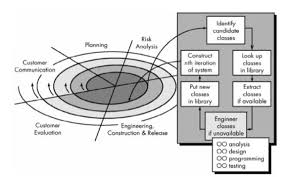
An agile project typically begins with a shared understanding of the product’s goals, users, and key requirements. The work is then organized into a prioritized list of features, improvements, and technical tasks. Rather than attempting to complete everything at once, the team selects a focused amount of work for the next development cycle.
During each cycle, developers, designers, testers, product managers, and other stakeholders coordinate their work. The team builds and tests the selected features, then reviews the results. Feedback can influence the next cycle, helping the application evolve as the team learns more about user needs and project constraints.
Common agile practices include:
- Short development cycles: Work is divided into manageable periods, often called iterations or sprints.
- Prioritized backlogs: Features and tasks are ordered according to their value, urgency, and dependencies.
- Frequent reviews: Stakeholders can see progress and provide input throughout development.
- Continuous testing: Testing takes place throughout the process, not only at the end.
- Retrospectives: Teams reflect on how they work and identify ways to improve.
Benefits of an Agile Approach
Earlier Feedback
When teams share working software regularly, users and stakeholders can respond to real features rather than relying only on plans or mockups. This helps reveal misunderstandings and usability issues while there is still time to address them.
Adaptability
Agile teams can adjust priorities as business goals, market conditions, or user expectations change. This flexibility does not mean every request should be added immediately. It means changes can be evaluated and incorporated deliberately, based on their value and impact.
Incremental Value
Delivering software in stages can make useful capabilities available sooner. A team may release a focused first version, learn from how it is used, and then build on that foundation. This can reduce the risk of spending significant time on features that do not solve the most important problems.
Greater Transparency
Regular planning, reviews, and progress updates give stakeholders a clearer view of what the team is doing and what remains. This visibility supports better decisions about scope, timing, and priorities.
Challenges to Plan For
Agile development can be effective, but adopting agile terminology alone does not guarantee good results. Teams need clear goals, engaged stakeholders, and a shared understanding of priorities. Without these, frequent changes can create confusion rather than flexibility.
Another common challenge is treating agile as a reason to skip planning or documentation. Agile teams still need to define requirements, make technical decisions, document important information, and consider risks. The aim is to create useful documentation and plans without letting them become a substitute for collaboration and working software.
Teams should also avoid measuring success only by the number of tasks completed. Meaningful outcomes—such as improved user experience, reliable performance, or reduced processing time—provide a more useful picture of whether the application is meeting its goals.
Agile Development and Quality
Quality should be part of every development cycle. Developers can use code reviews, automated tests, security checks, and integration testing to catch problems early. Designers and product stakeholders can review functionality as it takes shape, while teams monitor performance and reliability after release.
Frequent delivery works best when the application is built to support ongoing change. Clear architecture, maintainable code, and automated deployment practices can help teams update software with confidence. These practices require investment, but they can make future improvements safer and more efficient.
Getting Started with Agile
Organizations can begin by identifying a product goal and assembling a team with the skills needed to deliver and support the application. The team should define how work will be prioritized, how often progress will be reviewed, and how decisions will be made.
It is often helpful to start with a small, clearly scoped effort. After a few development cycles, the team can examine what is working, where delays occur, and whether users are receiving meaningful value. The process can then be adjusted based on experience rather than assumption.
Conclusion
Agile application development offers a practical way to build software in a changing environment. By delivering work incrementally, gathering feedback, and improving the process over time, teams can stay focused on user and business needs. Its success depends not on following ceremonies mechanically, but on strong collaboration, thoughtful prioritization, and a consistent commitment to quality.
7 Essential Tips for Effective Agile Application Development
- Deliver working software in small, frequent increments.
- Prioritize features by customer value.
- Keep the product backlog clear and up to date.
- Gather feedback early and often.
- Collaborate closely across roles.
- Automate testing and deployment where practical.
- Reflect regularly and improve the process.
Deliver working software in small, frequent increments.
Delivering working software in small, frequent increments helps teams gather feedback early and adapt to users’ needs before investing too much time in the wrong features. Each release should provide a useful improvement, even if it is modest. This approach makes progress visible, helps uncover issues sooner, and gives teams more opportunities to refine the application as requirements evolve.
Prioritize features by customer value.
Prioritizing features by customer value helps an agile team focus its time and resources on the improvements that matter most to users. Gather feedback, identify the problems customers most need solved, and compare potential features by their expected impact. Then prioritize the work that delivers the greatest benefit, while considering effort, risk, and business goals. Revisit priorities regularly as you learn from customers and new feedback emerges.
Keep the product backlog clear and up to date.
Keep the product backlog clear and up to date so the team can focus on the most valuable work. Regularly review and prioritize items, remove outdated requests, and make sure each task includes enough detail for the team to understand its purpose and acceptance criteria. A well-maintained backlog supports better planning, reduces confusion, and helps the team adapt as customer needs and project priorities change.
Gather feedback early and often.
Gather feedback early and often to make sure your application is solving the right problems. Share prototypes, early features, or working versions with users and stakeholders throughout development, then use their input to guide priorities and improve the experience. Regular feedback can uncover usability issues and incorrect assumptions before they become costly to fix, helping the team deliver software that better meets real needs.
Collaborate closely across roles.
Collaborate closely across roles to build a shared understanding of what the application needs to do and why. When developers, designers, testers, product managers, and stakeholders communicate regularly, they can surface questions early, resolve issues faster, and make better decisions together. This ongoing collaboration helps prevent misunderstandings, keeps work aligned with user needs, and supports smoother delivery throughout each development cycle.
Automate testing and deployment where practical.
Automating testing and deployment where practical helps agile teams deliver changes more quickly and reliably. Automated tests can catch defects early whenever code is updated, while deployment pipelines can run consistent checks and move approved changes through release steps with less manual effort. Start by automating frequent, repeatable tasks, such as unit tests, code quality checks, and staging deployments, then expand as the application and team are ready. Automation works best alongside human review and clear safeguards, especially for security-sensitive changes or production releases.
Reflect regularly and improve the process.
Regular reflection helps agile teams identify what’s working and where their process could improve. At the end of each development cycle, discuss challenges, successes, and opportunities to collaborate more effectively. Choose a few practical changes to try in the next cycle, then review whether they made a difference. Small, consistent adjustments can reduce bottlenecks, strengthen teamwork, and help the team deliver better software over time.