The Importance of Enterprise Software Development
In today’s rapidly evolving business landscape, enterprise software development plays a crucial role in helping organizations stay competitive and efficient. Enterprise software refers to applications used by businesses to solve complex problems, streamline operations, and improve overall productivity.
Benefits of Enterprise Software Development
Customization: Enterprise software can be tailored to meet the specific needs of an organization, providing unique solutions that off-the-shelf software cannot offer.
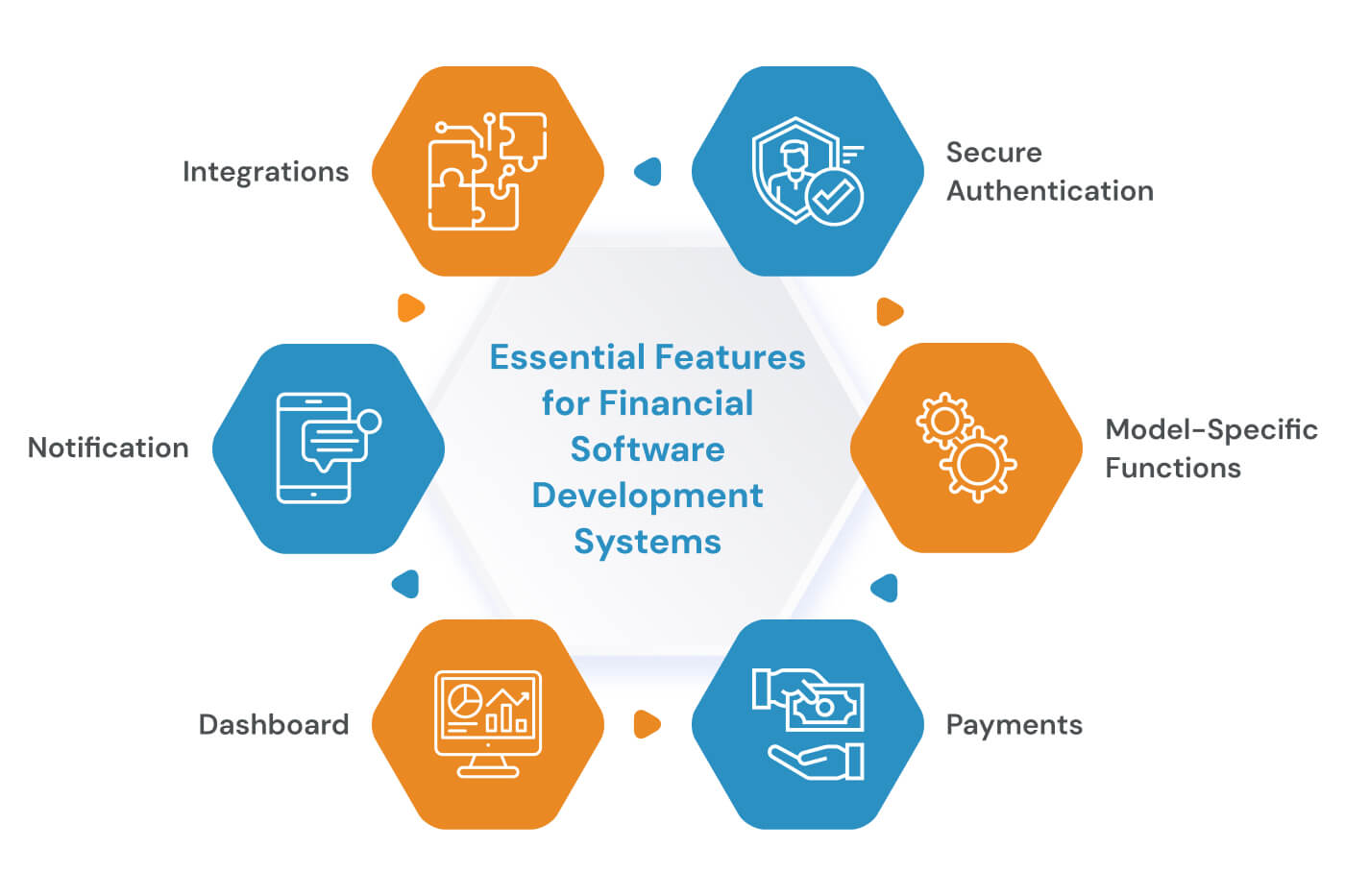
Integration: Enterprise software allows different systems within an organization to communicate and share data seamlessly, leading to improved collaboration and decision-making.
Scalability: As businesses grow, enterprise software can easily scale to accommodate increased data volumes and user requirements without sacrificing performance.
Data Security: Enterprise software development focuses on implementing robust security measures to protect sensitive business information from cyber threats and unauthorized access.
Challenges in Enterprise Software Development
Complexity: Developing enterprise software involves addressing intricate business processes and requirements, which can be challenging for developers.
Legacy Systems: Integrating new enterprise software with existing legacy systems can be complex and time-consuming, requiring careful planning and execution.
User Adoption: Ensuring that employees embrace and effectively use new enterprise software is essential for maximizing its benefits and ROI.
The Future of Enterprise Software Development
The future of enterprise software development is marked by trends such as cloud computing, artificial intelligence, machine learning, and IoT integration. These technologies are reshaping how businesses operate and interact with their customers, driving the need for innovative enterprise solutions that can adapt to changing market demands.
7 Advantages of Enterprise Software Development: Customization, Integration, and More
- Customization to meet specific business needs
- Integration of different systems for improved collaboration
- Scalability to accommodate business growth
- Enhanced data security measures
- Efficient automation of complex business processes
- Centralized data management for better decision-making
- Streamlined workflows and increased productivity
Challenges in Enterprise Software Development: Costs, Complexity, Integration, Customization, Adoption, and Security
- High initial development costs can be a barrier for small businesses.
- Complexity of enterprise software development may lead to longer project timelines.
- Integration challenges with existing legacy systems can cause disruptions in operations.
- Customization requirements can result in additional maintenance and support costs.
- User resistance to change may hinder successful adoption of new enterprise software.
- Security vulnerabilities in enterprise software can pose risks to sensitive business data.
Customization to meet specific business needs
Enterprise software development offers a significant advantage in the form of customization to meet specific business needs. Tailoring software solutions to align with the unique requirements of an organization enables companies to optimize their processes, enhance efficiency, and address challenges that off-the-shelf software may not adequately resolve. By developing customized enterprise software, businesses can gain a competitive edge by leveraging technology that is tailored precisely to their operations, ultimately leading to improved performance and strategic alignment with business objectives.
Integration of different systems for improved collaboration
The integration of different systems through enterprise software development enables organizations to achieve improved collaboration among departments and teams. By seamlessly connecting disparate systems and data sources, employees can access real-time information, share insights, and work together more effectively towards common goals. This enhanced collaboration leads to increased efficiency, streamlined processes, and better decision-making across the organization.
Scalability to accommodate business growth
Enterprise software development offers the significant advantage of scalability, allowing businesses to expand and evolve without being hindered by limitations in their software systems. By providing the capability to accommodate increased data volumes, user requirements, and transaction loads as a company grows, scalable enterprise software ensures that organizations can adapt to changing demands and seize new opportunities without compromising performance or efficiency. This flexibility in scaling up resources enables businesses to maintain a competitive edge and support their long-term growth objectives effectively.
Enhanced data security measures
Enhanced data security measures are a key advantage of enterprise software development, providing organizations with robust protection against cyber threats and unauthorized access to sensitive information. By implementing advanced encryption techniques, access controls, and regular security audits, enterprise software helps safeguard valuable data assets and ensures compliance with industry regulations. This proactive approach to data security instills trust among stakeholders and minimizes the risk of costly data breaches, reinforcing the integrity and reliability of the organization’s digital infrastructure.
Efficient automation of complex business processes
Efficient automation of complex business processes is a key advantage of enterprise software development. By leveraging sophisticated algorithms and workflow automation tools, businesses can streamline their operations, reduce manual errors, and increase productivity. This automation enables organizations to handle intricate tasks with speed and accuracy, freeing up valuable time for employees to focus on more strategic activities. Ultimately, the efficient automation of complex business processes through enterprise software development leads to cost savings, improved efficiency, and enhanced decision-making capabilities within the organization.
Centralized data management for better decision-making
Centralized data management is a key advantage of enterprise software development as it enables organizations to consolidate and store data in a unified system. By having all relevant information in one centralized location, businesses can access real-time insights, analyze trends, and make informed decisions quickly. This streamlined approach to data management not only enhances operational efficiency but also empowers decision-makers with accurate and up-to-date information, leading to more effective strategic planning and improved overall performance.
Streamlined workflows and increased productivity
Enterprise software development offers the significant benefit of streamlining workflows and increasing productivity within organizations. By implementing customized software solutions tailored to specific business needs, companies can automate repetitive tasks, improve communication between departments, and enhance overall operational efficiency. Streamlined workflows enable employees to focus on high-value tasks, reduce manual errors, and accelerate project timelines, ultimately leading to increased productivity and better business outcomes.
High initial development costs can be a barrier for small businesses.
High initial development costs associated with enterprise software development can pose a significant barrier for small businesses looking to implement tailored solutions. The substantial investment required to design and deploy custom software can strain the limited financial resources of smaller enterprises, making it challenging for them to compete with larger organizations that have more extensive budgets. This financial hurdle often forces small businesses to explore alternative options or delay their digital transformation initiatives, potentially hindering their ability to optimize operations and scale effectively in the competitive market landscape.
Complexity of enterprise software development may lead to longer project timelines.
The complexity inherent in enterprise software development can often result in extended project timelines. Addressing intricate business processes, integrating various systems, and customizing solutions to meet specific organizational needs require meticulous planning and execution. As a result, developers may encounter challenges that prolong the development cycle, impacting project deadlines and ultimately delaying the deployment of the software solution. Effective project management strategies and clear communication among stakeholders are essential to mitigate these complexities and streamline the development process for timely delivery.
Integration challenges with existing legacy systems can cause disruptions in operations.
Integration challenges with existing legacy systems can pose a significant con in enterprise software development as they have the potential to disrupt operations within an organization. The complexities involved in integrating new software with outdated legacy systems can lead to compatibility issues, data inconsistencies, and downtime. These disruptions can impact productivity, increase costs, and hinder the seamless flow of information across different departments. Overcoming these integration challenges requires careful planning, thorough testing, and effective communication to minimize disruptions and ensure a smooth transition to modernized enterprise software solutions.
Customization requirements can result in additional maintenance and support costs.
Customization requirements in enterprise software development can lead to increased maintenance and support costs. Tailoring software to meet specific business needs often involves complex coding and integration work, which can make the system more intricate and challenging to maintain over time. Moreover, as the software undergoes updates or upgrades, customized features may require additional attention to ensure compatibility and functionality, further adding to the overall maintenance expenses. Organizations must carefully weigh the benefits of customization against the potential long-term costs involved in supporting bespoke solutions.
User resistance to change may hinder successful adoption of new enterprise software.
User resistance to change can pose a significant challenge to the successful adoption of new enterprise software within an organization. Employees may be accustomed to existing processes and systems, making them hesitant to embrace unfamiliar technology. This resistance can lead to decreased productivity, inefficiencies, and ultimately hinder the realization of the full benefits that the new software solution offers. Effective change management strategies, clear communication, training programs, and user involvement in the software development process are essential in overcoming user resistance and facilitating a smooth transition to new enterprise software.
Security vulnerabilities in enterprise software can pose risks to sensitive business data.
Security vulnerabilities in enterprise software development can pose significant risks to sensitive business data. These vulnerabilities, if exploited by malicious actors, can lead to data breaches, unauthorized access to confidential information, and potential financial losses for the organization. It is crucial for businesses to prioritize robust security measures during the development process and regularly update and patch their enterprise software to mitigate these risks and safeguard their valuable data assets.