The Importance of Safe Software Development
In today’s digital age, software plays a crucial role in almost every aspect of our lives. From mobile applications to complex enterprise systems, software development has become a cornerstone of modern business and society. However, with the increasing reliance on software comes the need for ensuring its safety and security.
What is Safe Software Development?
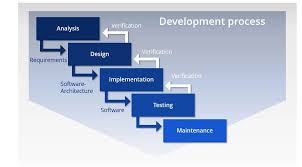
Safe software development refers to the process of creating and maintaining software applications in a way that minimizes risks related to security vulnerabilities, data breaches, and system failures. It involves implementing best practices, following industry standards, and incorporating security measures throughout the development lifecycle.
The Benefits of Safe Software Development
Ensuring the safety of software applications offers numerous benefits to both developers and end-users:
- Protecting Sensitive Data: By incorporating security features into software development, sensitive data such as personal information, financial records, and intellectual property can be safeguarded from unauthorized access.
- Building Trust: Safe software development helps build trust among users by demonstrating a commitment to their privacy and security. This can lead to increased user confidence and loyalty.
- Reducing Risks: By identifying and addressing security vulnerabilities early in the development process, the risk of costly data breaches or system failures can be significantly reduced.
- Compliance with Regulations: Many industries have strict regulations regarding data protection and privacy. Safe software development ensures compliance with these regulations, helping businesses avoid legal consequences.
Best Practices for Safe Software Development
To ensure the safety and security of software applications, developers should follow these best practices:
- Secure Coding: Use secure coding practices to prevent common vulnerabilities such as SQL injection, cross-site scripting (XSS), and buffer overflows.
- Regular Testing: Conduct regular security testing, including penetration testing and code reviews, to identify and address potential vulnerabilities.
- Data Encryption: Encrypt sensitive data both at rest and in transit to protect it from unauthorized access.
- User Authentication: Implement strong authentication mechanisms such as multi-factor authentication to verify user identities securely.
- Update Management: Keep software components up-to-date with the latest security patches to address known vulnerabilities.
In Conclusion
Safe software development is essential for protecting both businesses and users from potential threats in the digital landscape. By following best practices, implementing robust security measures, and prioritizing safety throughout the development process, developers can create reliable and secure software applications that inspire trust and confidence among users.
Understanding SAFe in Software Development: Key FAQs Answered
- What does SAFe mean development?
- What is difference between SAFe and agile?
- What does SAFe stand for in Agile?
- What are the 4 types of SAFe agile?
- What is better, PMP or SAFe Agile?
- What are the 4 levels of SAFe?
- What is SAFe vs Agile?
What does SAFe mean development?
SAFe, which stands for Scaled Agile Framework, is a comprehensive approach to software development that enables organizations to scale agile and lean practices across all levels of the enterprise. SAFe emphasizes collaboration, alignment, and transparency among teams to deliver value to customers more efficiently and effectively. By providing a structured framework for implementing agile methodologies at scale, SAFe helps organizations streamline their development processes, improve productivity, and achieve better outcomes in software delivery.
What is difference between SAFe and agile?
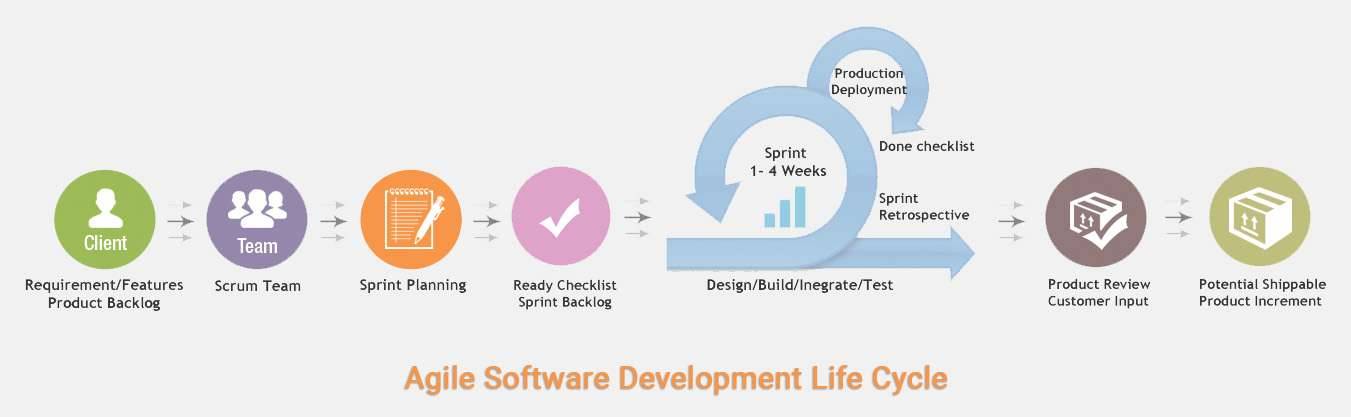
The key difference between SAFe (Scaled Agile Framework) and agile lies in their scope and scalability. While agile is a set of principles and values that emphasize flexibility, collaboration, and iterative development at the team level, SAFe is a comprehensive framework designed to scale agile practices across large organizations. SAFe provides guidance on how to coordinate multiple agile teams, align with business objectives, and manage complex projects effectively. In essence, SAFe extends the principles of agile to address the challenges of implementing agility at an enterprise level, making it suitable for organizations looking to adopt agile practices across multiple teams and departments.
What does SAFe stand for in Agile?
SAFe in Agile stands for Scaled Agile Framework. SAFe is a comprehensive and widely-used framework that enables organizations to implement agile practices at scale. It provides guidance on how to coordinate and align multiple agile teams working on complex projects, ensuring efficiency, collaboration, and successful delivery of software products. By incorporating SAFe principles into their development processes, organizations can achieve greater flexibility, faster time-to-market, and improved overall productivity in their software development efforts.
What are the 4 types of SAFe agile?
In the context of safe software development, the Scaled Agile Framework (SAFe) offers four configurations known as the “4 types of SAFe agile.” These configurations include Essential SAFe, Large Solution SAFe, Portfolio SAFe, and Full SAFe. Each type caters to different organizational needs and scales of operation within an agile framework. Essential SAFe provides the foundational elements for implementing agile practices at the team and program levels, while Large Solution SAFe extends this to address coordination and collaboration across multiple teams working on a common solution. Portfolio SAFe focuses on aligning strategy and execution across multiple value streams, and Full SAFe integrates all levels of the organization to achieve comprehensive agility. Understanding these four types of SAFe agile can help organizations tailor their approach to software development to meet their specific requirements effectively.
What is better, PMP or SAFe Agile?
When considering the choice between PMP (Project Management Professional) and SAFe Agile (Scaled Agile Framework), it is important to understand the specific needs and goals of your project or organization. PMP certification focuses on traditional project management principles and practices, emphasizing a structured approach to managing projects effectively. On the other hand, SAFe Agile provides a framework for implementing agile methodologies at scale, enabling organizations to deliver value faster and more efficiently through collaboration and iterative development. Ultimately, the decision between PMP and SAFe Agile depends on factors such as project scope, team dynamics, and organizational culture, with each offering unique benefits tailored to different contexts within the software development landscape.
What are the 4 levels of SAFe?
In the context of safe software development, the Scaled Agile Framework (SAFe) is a widely adopted approach that provides organizations with a structured framework for scaling agile practices across the enterprise. One frequently asked question pertains to the four levels of SAFe, which are Essential SAFe, Large Solution SAFe, Portfolio SAFe, and Full SAFe. These levels represent different configurations and implementations of the framework tailored to meet the needs of organizations at various scales. Essential SAFe serves as the foundational level, while Large Solution SAFe focuses on coordinating multiple Agile Release Trains. Portfolio SAFe addresses strategic alignment and investment funding, and Full SAFe encompasses all levels to support comprehensive agility at scale. Understanding these levels is crucial for organizations looking to effectively implement SAFe principles and practices in their software development processes.
What is SAFe vs Agile?
SAFe, which stands for Scaled Agile Framework, is a comprehensive approach to implementing agile practices at the enterprise level. While both SAFe and Agile methodologies share common principles such as iterative development, collaboration, and flexibility, they differ in scale and scope. Agile is more focused on individual teams working in small iterations to deliver value quickly, whereas SAFe extends these principles to coordinate multiple teams across an organization to achieve alignment, synchronization, and efficiency in delivering complex solutions. SAFe provides a structured framework that enables organizations to scale agile practices while maintaining alignment with business objectives and fostering continuous improvement at a larger scale.