The Power of Agile Development in Software Engineering
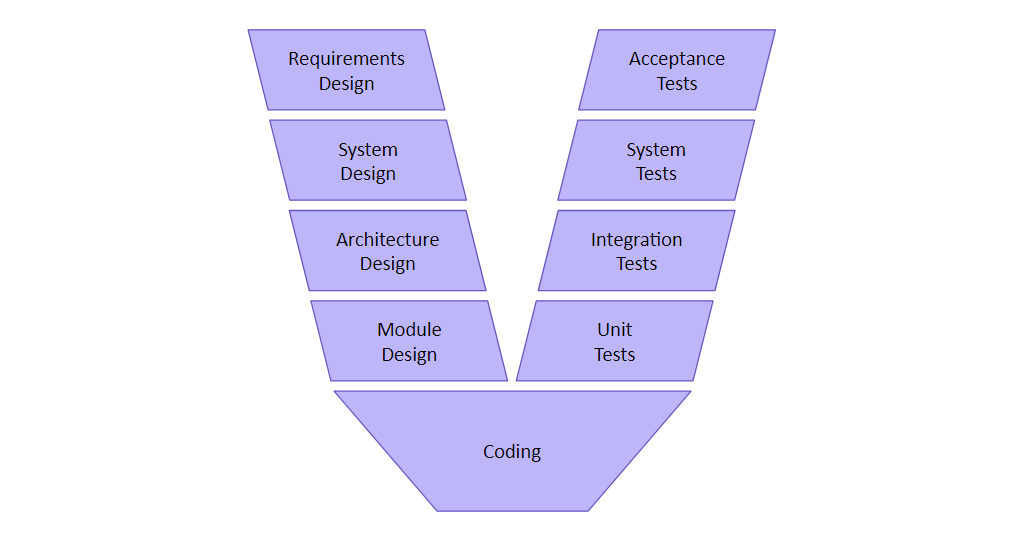
Agile development has revolutionized the way software is created and delivered in the field of software engineering. Unlike traditional waterfall methods, agile development emphasizes flexibility, collaboration, and iterative progress.
One of the key principles of agile development is its focus on delivering working software in small, incremental releases. This allows for quick feedback from stakeholders and enables teams to respond to changing requirements effectively. By breaking down the development process into manageable chunks, agile teams can adapt to evolving needs and deliver value to customers faster.
Another core aspect of agile development is its emphasis on collaboration and communication within cross-functional teams. By promoting daily stand-up meetings, regular retrospectives, and continuous integration practices, agile methodologies foster a culture of transparency and shared responsibility among team members.
Furthermore, agile development promotes a customer-centric approach by prioritizing customer feedback and involvement throughout the development cycle. This ensures that the end product meets the actual needs of users and provides tangible value to the business.
Overall, agile development has proven to be a game-changer in software engineering by enabling teams to deliver high-quality software that is responsive to change, customer-focused, and delivered in a timely manner. Embracing agile methodologies can help organizations stay competitive in today’s fast-paced digital landscape.
Understanding Agile Development: Key Principles, Benefits, and Team Collaboration in Software Engineering
- What is agile development and how does it differ from traditional software development methodologies?
- What are the key principles of agile development in software engineering?
- How does agile development promote collaboration and communication within software development teams?
- What are the benefits of adopting agile methodologies in software engineering projects?
- How does agile development help teams adapt to changing requirements and deliver value to customers more effectively?
What is agile development and how does it differ from traditional software development methodologies?
Agile development is a modern approach to software engineering that prioritizes adaptability, collaboration, and iterative progress. Unlike traditional software development methodologies such as the waterfall model, agile development focuses on delivering working software in small, incremental releases. This allows for quicker feedback from stakeholders, enables teams to respond promptly to changing requirements, and promotes a more flexible and customer-centric development process. By breaking down projects into manageable iterations and emphasizing continuous improvement, agile methodologies help teams stay nimble, deliver value to customers faster, and adapt to evolving needs more effectively than traditional approaches.
What are the key principles of agile development in software engineering?
In software engineering, the key principles of agile development encompass a set of values and practices that prioritize flexibility, collaboration, and customer satisfaction. These principles include delivering working software in incremental iterations, welcoming changes in requirements even late in the development process, fostering close collaboration between cross-functional teams and stakeholders, emphasizing individuals and interactions over processes and tools, and maintaining a focus on responding to customer feedback throughout the project lifecycle. By adhering to these core principles, agile development methodologies enable teams to adapt quickly to shifting priorities, deliver value incrementally, and ultimately create software products that meet the evolving needs of users and businesses.
How does agile development promote collaboration and communication within software development teams?
Agile development promotes collaboration and communication within software development teams by fostering a culture of transparency, shared responsibility, and continuous feedback. Through practices such as daily stand-up meetings, regular retrospectives, and continuous integration, agile methodologies create opportunities for team members to interact, share progress updates, and address any challenges collectively. By encouraging open communication and collaboration among cross-functional team members, agile development ensures that everyone is aligned towards the common goal of delivering value to customers efficiently and effectively. This collaborative environment not only enhances teamwork but also leads to better decision-making, increased productivity, and ultimately, the successful delivery of high-quality software products.
What are the benefits of adopting agile methodologies in software engineering projects?
Adopting agile methodologies in software engineering projects offers a multitude of benefits to organizations. One key advantage is the increased flexibility and adaptability that agile practices provide, allowing teams to respond quickly to changing requirements and market dynamics. Agile development also promotes better collaboration among team members, leading to improved communication, shared accountability, and enhanced productivity. By prioritizing customer feedback and delivering incremental value in short iterations, agile methodologies ensure that software products meet user needs effectively. Additionally, the iterative nature of agile development enables early detection of issues, leading to faster problem resolution and higher overall product quality. Overall, the adoption of agile methodologies in software engineering projects can result in faster time-to-market, improved stakeholder satisfaction, and greater project success rates.
How does agile development help teams adapt to changing requirements and deliver value to customers more effectively?
Agile development helps teams adapt to changing requirements and deliver value to customers more effectively by emphasizing iterative and incremental development cycles. Instead of rigidly following a predefined plan, agile teams welcome changes throughout the project and prioritize delivering working software in short, regular intervals. This approach allows teams to gather feedback early and often, enabling them to adjust course quickly in response to changing customer needs or market conditions. By fostering collaboration, transparency, and continuous improvement, agile methodologies empower teams to stay nimble, focus on customer value, and deliver high-quality products that meet evolving requirements efficiently.