The Power of Agile in Software Engineering
Agile methodology has revolutionized the way software is developed, bringing flexibility, collaboration, and efficiency to the forefront of the process. In today’s fast-paced digital landscape, agile practices have become essential for teams looking to deliver high-quality software solutions that meet evolving customer needs.
What is Agile?
Agile is a software development approach that emphasizes iterative planning, continuous feedback, and adaptability. It focuses on breaking down projects into smaller increments called “sprints,” allowing teams to deliver functional pieces of software quickly and respond to changes effectively.
The Benefits of Agile
One of the key benefits of agile in software engineering is its ability to promote collaboration among team members. By encouraging regular communication and close interaction between developers, designers, and stakeholders, agile fosters a shared sense of ownership and accountability for the project’s success.
Agile also enables teams to respond swiftly to changing requirements and priorities. With its iterative nature, agile allows for continuous feedback from customers and stakeholders, leading to a more responsive and customer-centric development process.
Key Principles of Agile
- Customer Collaboration: Engaging customers throughout the development process to ensure their needs are met.
- Iterative Development: Breaking down projects into manageable iterations for incremental delivery.
- Adaptability: Embracing change and adjusting plans based on feedback and evolving requirements.
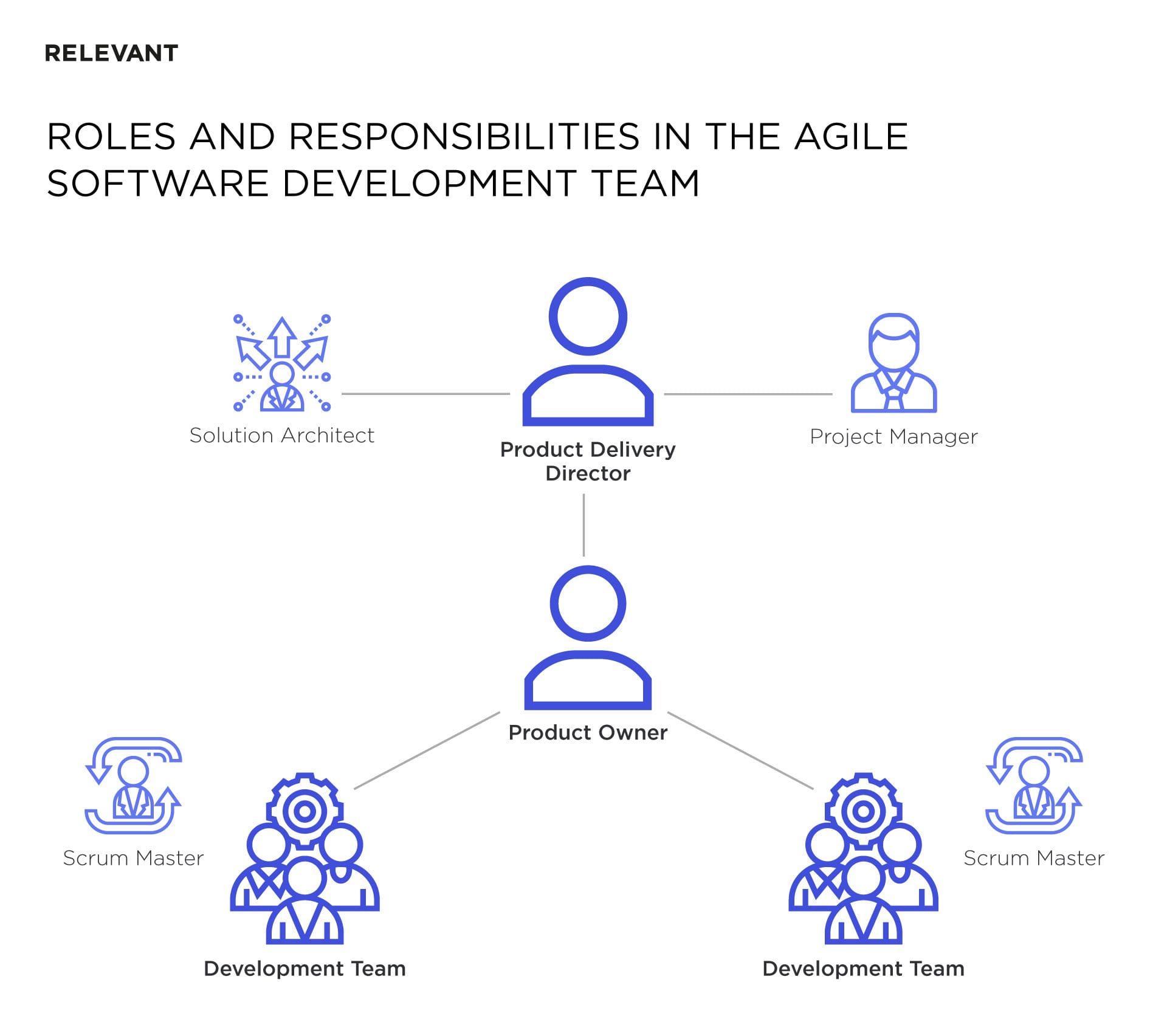
- Cross-Functional Teams: Bringing together individuals with diverse skills to promote collaboration and innovation.
- Continuous Improvement: Reflecting on past experiences to identify areas for enhancement and optimization.
In Conclusion
Agile methodology has become a cornerstone of modern software engineering practices due to its emphasis on flexibility, collaboration, and adaptability. By embracing agile principles, teams can deliver high-quality software products that meet customer needs in a rapidly changing environment.
Understanding Agile in Software Engineering: Key Concepts and Implementation Strategies
- What is agile methodology in software engineering?
- How does agile differ from traditional software development approaches?
- What are the key principles of agile in software engineering?
- How does agile promote collaboration among team members?
- What are the benefits of using agile in software development projects?
- How can teams implement agile practices effectively in their software engineering processes?
What is agile methodology in software engineering?
Agile methodology in software engineering is a flexible and iterative approach to project management and software development that emphasizes collaboration, adaptability, and customer satisfaction. Instead of following a rigid plan from start to finish, agile teams work in short iterations called sprints to deliver functional pieces of software quickly and respond to changing requirements effectively. By prioritizing customer feedback, continuous improvement, and close collaboration among team members, agile methodology enables software development teams to deliver high-quality products that meet evolving customer needs in today’s fast-paced digital landscape.
How does agile differ from traditional software development approaches?
Agile methodology differs from traditional software development approaches in several key ways. Unlike traditional methods that follow a linear, sequential process, agile is iterative and incremental, allowing for flexibility and adaptability throughout the development cycle. Agile emphasizes close collaboration among team members, stakeholders, and customers, promoting regular feedback and continuous improvement. Additionally, agile focuses on delivering working software in short iterations, enabling teams to respond quickly to changing requirements and priorities. By prioritizing customer value and embracing change, agile fosters a more responsive and customer-centric approach to software development compared to traditional methods.
What are the key principles of agile in software engineering?
The key principles of agile in software engineering revolve around customer collaboration, iterative development, adaptability, cross-functional teams, and continuous improvement. Agile emphasizes engaging customers throughout the development process to ensure their needs are met, breaking down projects into manageable iterations for incremental delivery, embracing change and adjusting plans based on feedback and evolving requirements, bringing together individuals with diverse skills to promote collaboration and innovation, and reflecting on past experiences to identify areas for enhancement and optimization. These principles guide agile teams in delivering high-quality software solutions that are responsive to customer needs and adaptable to changing demands in the dynamic digital landscape.
How does agile promote collaboration among team members?
Agile promotes collaboration among team members by fostering a culture of communication, transparency, and shared responsibility. Through practices such as daily stand-up meetings, sprint planning sessions, and regular retrospectives, agile teams create opportunities for open dialogue and feedback exchange. By breaking down silos and encouraging cross-functional collaboration, team members can leverage their diverse skills and expertise to collectively solve problems and achieve project goals. Additionally, agile emphasizes the importance of continuous interaction with stakeholders, ensuring that everyone involved in the project is aligned on objectives and priorities. This collaborative approach not only enhances team cohesion but also leads to better decision-making, increased productivity, and ultimately, the delivery of high-quality software solutions that meet customer needs effectively.
What are the benefits of using agile in software development projects?
The benefits of using agile in software development projects are numerous and impactful. Agile methodology promotes collaboration, transparency, and adaptability, allowing teams to deliver high-quality software solutions more efficiently. By breaking down projects into manageable iterations and incorporating continuous feedback from stakeholders, agile helps teams respond quickly to changing requirements and priorities. This iterative approach fosters a customer-centric mindset, ensuring that the final product meets the evolving needs of users. Additionally, agile empowers cross-functional teams to work together seamlessly, fostering innovation and driving overall project success.
How can teams implement agile practices effectively in their software engineering processes?
To implement agile practices effectively in their software engineering processes, teams should start by fostering a culture of collaboration and open communication. It is crucial for team members to actively engage with each other, share knowledge, and work together towards common goals. Additionally, setting clear objectives and priorities for each sprint or iteration helps teams stay focused and on track. Regular feedback loops with stakeholders and customers enable continuous improvement and alignment with evolving requirements. Embracing flexibility, adaptability, and a willingness to embrace change are key aspects of successful agile implementation in software engineering processes.