The Power of Python in Android App Development
Python has gained immense popularity in the world of software development for its simplicity, versatility, and readability. While traditionally known for web development and data science, Python has also made its mark in mobile app development, particularly on the Android platform.
Advantages of Using Python for Android App Development
Ease of Learning: Python’s clean syntax and readability make it an ideal language for beginners to pick up quickly.
Cross-Platform Compatibility: With tools like Kivy and BeeWare, developers can write code once and deploy it on multiple platforms, including Android.
Rapid Prototyping: Python’s high-level abstractions allow developers to prototype and iterate on app ideas quickly.
Rich Ecosystem: The Python community offers a wide range of libraries and frameworks that simplify various aspects of app development.
Challenges of Using Python for Android App Development
Performance: Compared to native languages like Java or Kotlin, Python apps may experience slightly lower performance due to interpretation overhead.
Limited Access to Native APIs: Interfacing with certain device-specific features may require additional workarounds when using Python.
App Size: Packaging a Python interpreter with the app can increase its size, potentially impacting download times and storage space.
The Future of Python in Android App Development
The continued growth of the Python ecosystem, along with ongoing efforts to improve performance and tooling for mobile development, suggest a promising future for using Python in Android app development. As more developers explore the possibilities offered by this versatile language, we can expect to see innovative and feature-rich apps built with Python on the Android platform.
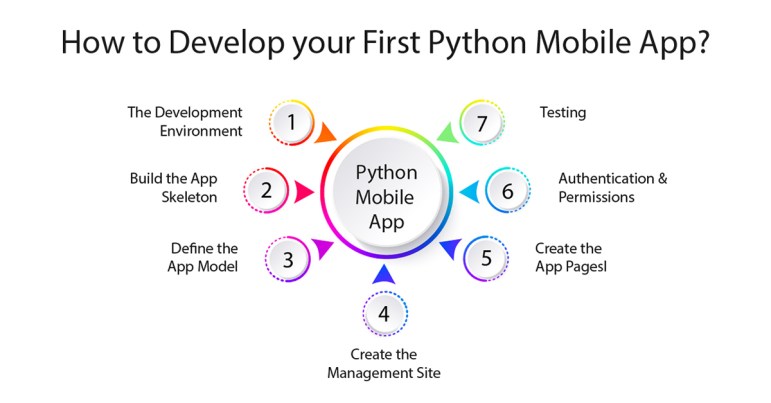
7 Essential Tips for Successful Python Android App Development
- Use a framework like Kivy or BeeWare for developing Python Android apps.
- Optimize your app’s performance by minimizing resource usage and improving code efficiency.
- Ensure your app has a responsive design that adapts well to different screen sizes and orientations.
- Test your app thoroughly on various Android devices to ensure compatibility and stability.
- Implement proper error handling and logging to diagnose issues quickly in the development process.
- Stay updated with the latest trends and tools in Python Android app development to enhance your skills.
- Engage with the Python community for support, guidance, and learning resources.
Use a framework like Kivy or BeeWare for developing Python Android apps.
When embarking on Python Android app development, utilizing a framework such as Kivy or BeeWare can significantly streamline the development process. These frameworks offer cross-platform compatibility, allowing developers to write code once and deploy it on various platforms, including Android. By leveraging the features and tools provided by Kivy or BeeWare, developers can create robust and feature-rich Python Android apps efficiently, saving time and effort in the development cycle.
Optimize your app’s performance by minimizing resource usage and improving code efficiency.
To optimize your Python Android app’s performance, it is crucial to focus on minimizing resource usage and enhancing code efficiency. By carefully managing resources such as memory and processing power, you can ensure that your app runs smoothly and responds quickly to user interactions. Improving code efficiency through techniques like algorithm optimization and proper resource handling can significantly enhance the overall performance of your app, providing users with a seamless and satisfying experience.
Ensure your app has a responsive design that adapts well to different screen sizes and orientations.
It is crucial to ensure that your Python Android app incorporates a responsive design that seamlessly adapts to various screen sizes and orientations. By prioritizing responsive design, you can enhance user experience and usability across a wide range of devices, ensuring that your app looks and functions optimally regardless of the device being used. This approach not only improves accessibility but also demonstrates a commitment to providing a consistent and user-friendly experience for all users, contributing to the overall success and satisfaction of your app.
Test your app thoroughly on various Android devices to ensure compatibility and stability.
Testing your Python Android app thoroughly on a diverse range of Android devices is crucial to guaranteeing its compatibility and stability. By conducting comprehensive testing across different devices, you can identify and address any potential issues related to performance, user experience, and functionality. Ensuring that your app functions seamlessly across various devices will enhance user satisfaction and help you deliver a reliable and consistent experience to your target audience.
Implement proper error handling and logging to diagnose issues quickly in the development process.
Implementing proper error handling and logging is crucial in Python Android app development to diagnose issues quickly during the development process. By incorporating robust error handling mechanisms, developers can anticipate and address potential issues before they escalate, ensuring a smoother debugging process. Additionally, logging relevant information allows developers to track the flow of execution and identify the root cause of any encountered errors efficiently. This proactive approach not only enhances the overall quality of the app but also streamlines the development workflow by facilitating timely problem resolution.
Stay updated with the latest trends and tools in Python Android app development to enhance your skills.
Staying updated with the latest trends and tools in Python Android app development is essential for enhancing your skills and staying competitive in the ever-evolving tech industry. By keeping abreast of new advancements, frameworks, and best practices, you can leverage cutting-edge solutions to streamline your development process, improve app performance, and deliver innovative user experiences. Continuous learning and adaptation to emerging technologies will not only broaden your expertise but also position you as a proficient developer capable of meeting the dynamic demands of mobile app development in the Python ecosystem.
Engage with the Python community for support, guidance, and learning resources.
Engaging with the Python community is a valuable tip for those venturing into Python Android app development. By actively participating in the community, developers can access a wealth of support, guidance, and learning resources that can help them navigate challenges, stay updated on best practices, and enhance their skills. Whether seeking advice on specific issues, sharing insights with fellow developers, or exploring new libraries and frameworks, being part of the Python community fosters a collaborative environment that empowers developers to grow and succeed in their app development endeavors.