Building an Effective Agile Development Team
An agile development team is a group of people who work together to deliver useful software in small, frequent increments. Rather than waiting until the end of a long project to share results, the team gathers feedback throughout development and adapts its plans as needs change.
Agile is more than a set of meetings or project management tools. It is a way of working that emphasizes collaboration, transparency, continuous learning, and delivering value to customers.
What Makes a Team Agile?
An agile team is typically cross-functional, meaning it has the skills needed to move work from an idea to a finished product. Depending on the project, that may include software developers, designers, testers, product specialists, and other experts. Team members coordinate closely instead of handing work from one department to another in isolation.
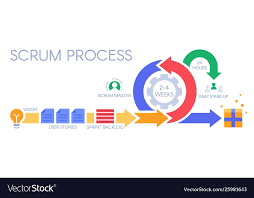
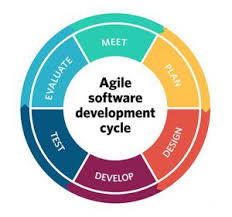
Agile teams also organize their work into short cycles, often called iterations or sprints. At the beginning of a cycle, the team chooses a manageable set of work. During the cycle, members build and test the product, share progress, and address obstacles. At the end, they review what was delivered and consider how to improve their process.
Common Roles and Responsibilities
Agile teams vary in structure, but many include the following responsibilities:
- Product direction: A product owner or similar stakeholder helps clarify customer needs, set priorities, and maintain an ordered list of work.
- Facilitation: A Scrum Master, agile coach, or team facilitator helps the group work effectively, supports continuous improvement, and helps remove blockers.
- Delivery: Developers, designers, testers, and other specialists collaborate to create, validate, and maintain the product.
- Customer and business input: Stakeholders provide context and feedback so the team can make informed decisions and focus on meaningful outcomes.
These are responsibilities, not necessarily separate jobs. In smaller teams, one person may take on several responsibilities. The most important factor is that ownership and decision-making are clear.
How Agile Teams Work
Plan in Small Steps
Instead of trying to predict every detail at the start, an agile team makes a practical plan for the next cycle. The team considers priorities, capacity, dependencies, and the work required to deliver a useful result. Plans can be adjusted when new information becomes available.
Communicate Regularly
Short check-ins help team members coordinate, share progress, and identify obstacles early. These conversations should support collaboration—not become a substitute for working together or a lengthy status report.
Deliver and Gather Feedback
Frequent delivery gives customers and stakeholders a chance to respond while the product is still evolving. Their feedback can confirm that the team is solving the right problem or reveal where the next improvement is needed.
Reflect and Improve
At regular intervals, the team discusses what is working and what could be better. Improvements might include clarifying requirements, reducing delays, improving testing, or changing how the team communicates.
Benefits of an Agile Development Team
When practiced thoughtfully, agile development can help teams respond to changing priorities and identify problems earlier. Frequent delivery makes progress more visible, while ongoing feedback can reduce the risk of spending time on features that do not meet user needs.
Agile ways of working can also strengthen collaboration. When people with different skills plan and solve problems together, they can share knowledge, make decisions sooner, and take greater ownership of the product.
Common Challenges
Agile does not guarantee a successful project. Teams may struggle if priorities change constantly, responsibilities are unclear, or stakeholders are unavailable to provide timely feedback. Too many meetings can also reduce time for focused work.
Another challenge is adopting agile practices without changing the habits that slow delivery. For example, a team may hold frequent planning meetings but still rely on large handoffs or wait months for approval. Agile is most effective when the organization supports collaboration, reasonable decision-making, and regular delivery.
Tips for Building a Strong Agile Team
- Keep the team small enough to communicate easily while ensuring it has the skills needed to deliver.
- Set a clear product goal so day-to-day work connects to a meaningful outcome.
- Make priorities visible and limit the amount of work in progress.
- Encourage respectful discussion and make it safe to raise risks or mistakes early.
- Define what “done” means, including appropriate review, testing, and documentation.
- Use feedback and delivery data to improve, not to assign blame.
- Adapt agile practices to the team’s context rather than following ceremonies mechanically.
Conclusion
An effective agile development team brings people, skills, and customer insight together to deliver value in manageable steps. Its strength comes not from following a rigid formula, but from communicating openly, responding to evidence, and learning continuously. With clear priorities and a supportive environment, agile teams can build better products and adapt as needs evolve.
Agile Development Teams: Roles, Benefits, and How to Build an Effective Team
- What is an agile development team?
- What roles are typically included in an agile development team?
- How does an agile development team work?
- What are the benefits of an agile development team?
- How can you build an effective agile development team?
What is an agile development team?
An agile development team is a cross-functional group that works collaboratively to build, test, and improve software in small, frequent increments. Team members plan work in short cycles, share progress, and gather feedback from customers or stakeholders so they can adapt to changing needs. The team may include developers, designers, testers, and product specialists, with each person contributing the skills needed to deliver useful, high-quality results.
What roles are typically included in an agile development team?
An agile development team typically includes a product owner, who prioritizes work and represents customer needs; developers, who build and maintain the product; and a Scrum Master or team facilitator, who supports collaboration and helps remove obstacles. Depending on the project, the team may also include designers, testers, business analysts, and other specialists. Agile teams are cross-functional, so members work together across these responsibilities to deliver and improve the product.
How does an agile development team work?
An agile development team works collaboratively to deliver software in small, usable increments. The team prioritizes work based on customer needs, plans a short cycle—often called a sprint or iteration—and builds and tests selected features together. Regular check-ins help members coordinate and resolve blockers, while reviews give customers and stakeholders a chance to provide feedback. The team uses that feedback to adjust priorities and improve its process in the next cycle.
What are the benefits of an agile development team?
An agile development team can help businesses deliver useful software sooner, adapt to changing priorities, and respond to customer feedback throughout a project. By working in short cycles, team members can spot issues early, make progress more visible, and improve the product incrementally. Agile also encourages collaboration across roles, helping teams share knowledge, make decisions faster, and focus on features that provide the greatest value.
How can you build an effective agile development team?
To build an effective agile development team, bring together people with the skills needed to deliver a product, set clear goals and priorities, and encourage close collaboration with customers and stakeholders. Define responsibilities, keep work manageable, and communicate regularly so the team can spot obstacles early. Create a supportive environment where people can share ideas, raise concerns, and learn from mistakes. Finally, review progress and feedback often, then adapt the team’s process to improve how it works and the value it delivers.