The Power of Agile Software Development
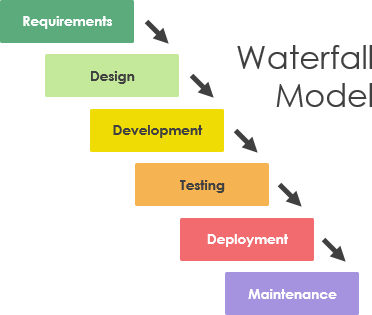
Agile software development has revolutionized the way software projects are executed. Unlike traditional waterfall methodologies, agile emphasizes flexibility, collaboration, and responsiveness to change throughout the development process.
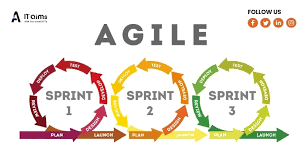
One of the key principles of agile is its iterative approach. Instead of working on a project in a linear fashion from start to finish, agile teams break down the work into smaller increments called sprints. Each sprint typically lasts 1-4 weeks and results in a potentially shippable product increment.
Continuous feedback is another cornerstone of agile development. By involving stakeholders early and often, teams can gather feedback and make adjustments quickly, ensuring that the final product meets the needs of its users.
Collaboration is also central to agile practices. Cross-functional teams work together closely, sharing knowledge and skills to deliver high-quality software efficiently. Communication is encouraged through daily stand-up meetings, regular reviews, and retrospectives to reflect on what went well and what could be improved.
Agile methodologies such as Scrum and Kanban have gained popularity across industries for their ability to adapt to changing requirements and deliver value incrementally. By embracing agility, organizations can respond faster to market demands, reduce risks, and improve overall project outcomes.
In conclusion, agile software development offers a more flexible and adaptive approach to building software products. By prioritizing collaboration, iteration, and continuous improvement, agile teams can deliver better results in less time while maintaining a focus on customer satisfaction.
Understanding Agile Software Development: Key Concepts and Methodologies Explained
- What is meant by agile software development?
- What are the 4 types of agile methodology for software development?
- What is Agile SW development?
- What is the Agile approach to software development?
- What are the 6 phases of agile software development?
- What are the 5 stages of Agile development?
- What is the 3 5 3 rule in Agile?
What is meant by agile software development?
Agile software development is a modern approach to software project management that emphasizes flexibility, collaboration, and iterative progress. In agile methodology, projects are divided into smaller increments called sprints, allowing teams to deliver working software quickly and adapt to changing requirements. Continuous feedback from stakeholders helps ensure that the final product meets user needs effectively. By promoting teamwork, communication, and a focus on delivering value incrementally, agile software development enables organizations to respond swiftly to market changes and deliver high-quality products efficiently.
What are the 4 types of agile methodology for software development?
In the realm of agile software development, there are four primary types of methodologies that teams commonly adopt to streamline their processes and enhance project outcomes. These methodologies include Scrum, Kanban, Lean, and Extreme Programming (XP). Each methodology offers a unique set of principles and practices tailored to meet specific project requirements and team dynamics. By understanding the nuances of these agile methodologies, teams can effectively leverage their strengths to drive collaboration, innovation, and continuous improvement throughout the software development lifecycle.
What is Agile SW development?
Agile software development is a modern approach to software project management that emphasizes flexibility, collaboration, and iterative progress. Unlike traditional waterfall methodologies, agile breaks down the project into smaller increments called sprints, allowing teams to deliver working software quickly and respond to changes efficiently. Agile promotes close collaboration among cross-functional team members, continuous feedback from stakeholders, and a focus on delivering value to customers through incremental releases. By embracing agile principles and practices, organizations can adapt to evolving requirements, mitigate risks, and ultimately deliver high-quality software products that meet the needs of users effectively.
What is the Agile approach to software development?
The Agile approach to software development is a methodology that emphasizes adaptability, collaboration, and iterative progress throughout the project lifecycle. Unlike traditional waterfall methods, Agile breaks down the development process into smaller increments called sprints, allowing teams to deliver working software in shorter cycles. Agile values customer feedback, cross-functional teamwork, and the ability to respond to change quickly. By prioritizing flexibility and continuous improvement, Agile enables teams to deliver high-quality software that meets evolving customer needs effectively and efficiently.
What are the 6 phases of agile software development?
In agile software development, the process typically consists of six key phases: planning, analysis, design, implementation, testing, and deployment. During the planning phase, the team collaborates to define project goals, scope, and priorities. Analysis involves gathering requirements and breaking them down into user stories or tasks. Design focuses on creating a solution architecture that meets the requirements. Implementation involves coding and building the software incrementally. Testing is conducted throughout the process to ensure quality and identify any issues early on. Finally, deployment involves releasing the product to users and collecting feedback for further iterations. These iterative phases allow for flexibility and continuous improvement in delivering high-quality software products.
What are the 5 stages of Agile development?
In Agile software development, the process typically consists of five key stages: 1) Planning, where the project scope, timeline, and goals are defined collaboratively by the team and stakeholders; 2) Requirements Analysis, where user stories and features are identified and prioritized based on business value; 3) Design and Development, where cross-functional teams work together to implement the requirements incrementally in short iterations or sprints; 4) Testing, where continuous testing is integrated throughout the development process to ensure quality and identify issues early; and 5) Deployment, where the completed features are released to users in a staged manner to gather feedback for further iterations. These stages emphasize flexibility, collaboration, and customer feedback to deliver value quickly and effectively.
What is the 3 5 3 rule in Agile?
The 3-5-3 rule in Agile software development refers to a time management technique commonly used in Scrum projects. This rule suggests that teams should spend 3 minutes for daily stand-up meetings, 5 minutes for sprint planning meetings per day of the sprint, and 3 hours for sprint review and retrospective meetings at the end of each sprint. By adhering to this rule, teams can ensure efficient communication, planning, and reflection throughout the project lifecycle, promoting transparency and collaboration among team members.