The Process of Traditional Software Development
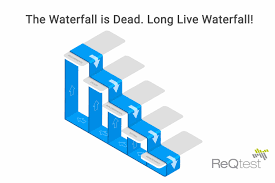
Traditional software development refers to the conventional approach used in creating software applications. This process typically follows a structured methodology that involves several distinct phases.
Requirement Analysis
During this initial phase, the development team works closely with stakeholders to gather and document the project requirements. This step is crucial in understanding the scope of the software and its intended functionality.
Design
Once the requirements are defined, the design phase begins. This stage involves creating a blueprint for the software solution, outlining its architecture, user interface, and overall structure.
Implementation
In the implementation phase, developers write code based on the design specifications. This is where the actual development of the software takes place, turning concepts into tangible products through programming and testing.
Testing
Testing is a critical part of traditional software development to ensure that the application functions as intended and meets quality standards. Testers identify and fix any bugs or issues before moving on to deployment.
Deployment
Once testing is complete, the software is deployed to production environments for end-users to access and utilize. This phase involves installation, configuration, and ensuring that the application runs smoothly in its intended environment.
Maintenance and Support
After deployment, ongoing maintenance and support are essential to address any issues that arise post-launch. Updates, bug fixes, and enhancements may be required to keep the software up-to-date and functioning optimally.
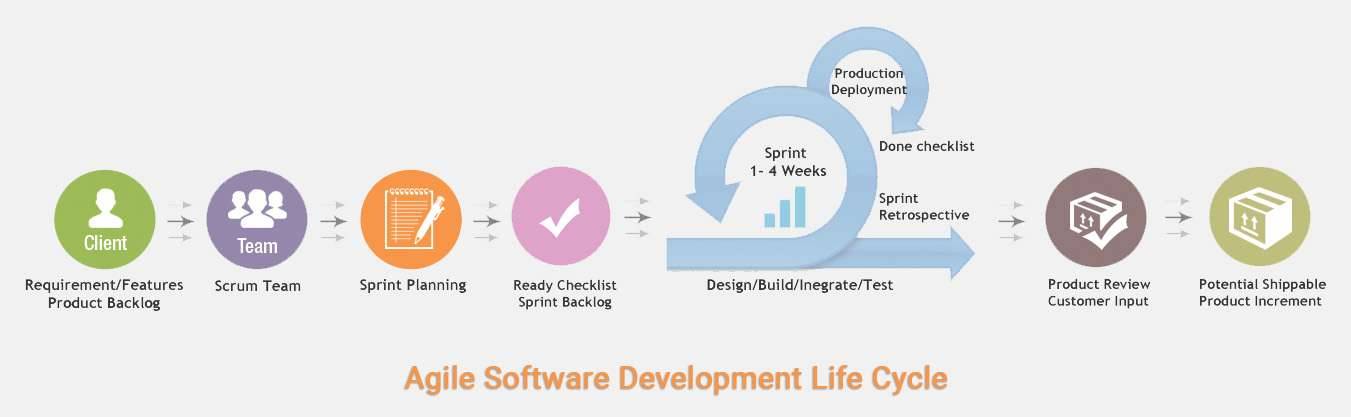
In conclusion, traditional software development follows a systematic process from requirements gathering to maintenance post-deployment. While newer methodologies like Agile have gained popularity for their flexibility and iterative nature, traditional approaches continue to be used in many projects requiring a structured framework for development.
Understanding Traditional Software Development: Key Phases, Roles, and Challenges
- What is traditional software development?
- What are the key phases of traditional software development?
- How does requirement analysis play a role in traditional software development?
- What is the importance of design in traditional software development?
- How is implementation carried out in traditional software development?
- Why is testing crucial in the process of traditional software development?
- What steps are involved in deploying a traditionally developed software application?
- How does maintenance and support contribute to the lifecycle of a traditionally developed software product?
- Are there any challenges associated with following a traditional approach to software development?
What is traditional software development?
Traditional software development refers to the conventional approach used in creating software applications. It follows a structured methodology that involves distinct phases such as requirement analysis, design, implementation, testing, deployment, and maintenance. In traditional software development, projects typically progress through these sequential stages with a focus on thorough planning and documentation. While newer methodologies like Agile have gained popularity for their flexibility and iterative nature, traditional software development remains a widely used approach in projects that require a systematic and well-defined process from start to finish.
What are the key phases of traditional software development?
In traditional software development, the key phases typically include requirement analysis, design, implementation, testing, deployment, and maintenance. The process begins with gathering and documenting project requirements to define the scope and functionality of the software. Design follows, where a blueprint is created to outline the architecture and structure of the application. Implementation involves coding based on design specifications, while testing ensures that the software functions correctly and meets quality standards. Deployment involves installing and configuring the software for end-users to access. Finally, ongoing maintenance and support are crucial for addressing post-deployment issues and keeping the software up-to-date. These key phases form a structured framework for traditional software development projects.
How does requirement analysis play a role in traditional software development?
Requirement analysis plays a crucial role in traditional software development by serving as the foundation for the entire project. During this phase, stakeholders collaborate with the development team to define and document the specific needs and objectives of the software application. By thoroughly understanding the requirements upfront, developers can create a detailed roadmap for the project, guiding subsequent phases such as design, implementation, testing, and deployment. Requirement analysis helps ensure that the final product meets the expectations of stakeholders and aligns with the overall goals of the organization, setting a clear direction for successful software development within a structured framework.
What is the importance of design in traditional software development?
In traditional software development, the importance of design cannot be overstated. Design plays a crucial role in shaping the architecture, functionality, and user experience of the software application. A well-thought-out design ensures that the software meets the requirements specified during the analysis phase and aligns with the overall project goals. By creating a solid design foundation, developers can streamline the implementation process, reduce rework, and enhance the scalability and maintainability of the software. Effective design in traditional software development not only enhances the end product’s quality but also contributes to a more efficient development lifecycle and better user satisfaction.
How is implementation carried out in traditional software development?
In traditional software development, the implementation phase is carried out following the design specifications that have been established earlier in the process. During implementation, developers write code based on the detailed design documents to bring the software application to life. This phase involves translating the conceptual framework into actual programming code, following best practices and coding standards. Developers work collaboratively to ensure that the functionality and features outlined in the design are accurately implemented in the software. Testing is often integrated into the implementation phase to identify and address any issues early on, ensuring a smoother transition to the testing and deployment stages of development.
Why is testing crucial in the process of traditional software development?
Testing is crucial in the process of traditional software development for several reasons. Firstly, testing helps ensure that the software functions as intended and meets the specified requirements. By identifying and fixing bugs or issues early in the development cycle, testing helps prevent costly errors from reaching end-users. Additionally, thorough testing improves the overall quality of the software, enhancing user satisfaction and reducing the risk of system failures. By conducting comprehensive testing throughout the development process, developers can have confidence in the reliability and performance of the final product, ultimately leading to a successful software release.
What steps are involved in deploying a traditionally developed software application?
Deploying a traditionally developed software application involves several key steps to ensure a smooth transition from development to production. The process typically includes preparing the application for deployment, configuring the necessary infrastructure and environments, conducting thorough testing to verify functionality and performance, coordinating with stakeholders for approval, and finally, releasing the software to end-users. Post-deployment activities such as monitoring, maintenance, and providing ongoing support are also crucial to ensure the application continues to operate effectively in its intended environment.
How does maintenance and support contribute to the lifecycle of a traditionally developed software product?
Maintenance and support play a crucial role in the lifecycle of a traditionally developed software product by ensuring its longevity and continued relevance. After the initial deployment, ongoing maintenance activities such as bug fixes, updates, and enhancements are essential to address evolving user needs and technological advancements. This phase helps in extending the lifespan of the software, improving its performance, and ensuring that it remains compatible with changing environments. Additionally, timely support services provide users with assistance in resolving issues, enhancing user experience, and maintaining customer satisfaction throughout the software’s lifecycle. Ultimately, maintenance and support contribute to the sustainability and success of traditionally developed software products by keeping them functional, secure, and aligned with business objectives over time.
Are there any challenges associated with following a traditional approach to software development?
Following a traditional approach to software development poses several challenges. One of the main issues is the potential for rigid and inflexible processes that may hinder adaptability to changing requirements. The sequential nature of traditional methodologies can lead to delays in delivering the final product, especially if modifications are needed during later stages of development. Additionally, communication gaps between stakeholders and development teams can arise, impacting the accuracy of requirements gathering and leading to misunderstandings that may affect the overall quality of the software. Despite these challenges, many organizations still opt for traditional software development approaches due to their structured framework and perceived reliability in delivering predictable outcomes.