What Is Software Engineering?
Software engineering is the disciplined process of designing, building, testing, deploying, and maintaining software. It applies engineering principles to software development so that applications and systems are reliable, secure, efficient, and useful to the people who depend on them.
Software engineering is broader than writing code. Code is an essential part of a software product, but successful development also involves understanding user needs, planning a solution, choosing suitable technologies, coordinating a team, and supporting the product after its release.
The Software Engineering Process
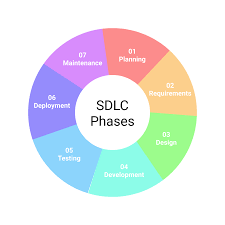
Software projects often move through several connected activities:
- Requirements gathering: The team identifies what users and stakeholders need the software to do, along with any constraints such as budget, performance, or security.
- Design and planning: Engineers outline how the system will work, how its components will fit together, and how the project will be delivered.
- Implementation: Developers write and review code, build features, and connect the software to databases, services, or other systems.
- Testing: The team checks that the software behaves as expected, identifies defects, and verifies that changes do not break existing functionality.
- Deployment: The software is prepared and released for people to use, often through a website, mobile app, or internal business system.
- Maintenance: Engineers monitor, update, and improve the software as needs change, problems arise, and technology evolves.
These activities are not always completed in a strict sequence. Many teams use iterative approaches, delivering software in smaller increments and refining it as they receive feedback.
Key Areas of Software Engineering
Software engineering includes a range of specialties. Front-end engineers build the parts of websites and applications that users interact with. Back-end engineers work on servers, databases, and business logic. Other professionals focus on mobile development, cloud infrastructure, cybersecurity, data systems, quality assurance, or software architecture.
Although their work differs, these specialties often overlap. A dependable product requires its components to work together, and teams need clear communication to make that happen.
Why Software Engineering Matters
Software supports everyday activities, from communication and online shopping to healthcare, transportation, education, and financial services. As systems become more connected and complex, careful engineering helps reduce errors, protect sensitive information, and keep services available.
A well-engineered product is also easier to change. Clear design, useful documentation, automated tests, and consistent coding practices can help teams add features or fix problems without introducing unnecessary risk. This can save time and resources over the life of a product.
Skills Software Engineers Use
Software engineers need technical skills, including programming, problem-solving, testing, and an understanding of software architecture. They also benefit from communication, collaboration, and the ability to explain complex ideas clearly. Since technology changes frequently, learning throughout a career is an important part of the profession.
Software Engineering Is a Team Effort
Most software is created by teams rather than individuals working alone. Engineers collaborate with designers, product managers, testers, security specialists, and users to turn a need into a working solution. Good teamwork helps ensure that the final product is not only technically sound but also practical and accessible.
Conclusion
Software engineering is the practice of creating and supporting software through thoughtful planning, technical expertise, testing, and collaboration. By treating software development as an ongoing engineering process—not just a task of writing code—teams can build products that better serve users and remain dependable over time.
8 Key Benefits of Software Engineering
- Builds reliable software.
- Improves product quality.
- Helps manage complex projects.
- Strengthens security practices.
- Supports easier maintenance.
- Encourages teamwork.
- Reduces development risks.
- Creates solutions that scale.
Key Challenges of Software Engineering
- Can be time-consuming and costly.
- Requires continuous learning as technologies change.
- Complex projects may face bugs, delays, and security risks.
Builds reliable software.
One of the key benefits of software engineering is that it helps teams build reliable software. By using clear design processes, coding standards, thorough testing, and regular reviews, engineers can identify problems early and reduce the risk of failures. This makes software more dependable for users and easier to maintain as needs change.
Improves product quality.
Software engineering improves product quality by applying structured methods to design, build, and test software. Clear requirements, code reviews, and thorough testing help teams catch defects early and ensure features work as intended. Ongoing maintenance and feedback also make it easier to improve reliability, security, and usability over time, resulting in a product users can trust.
Helps manage complex projects.
Software engineering helps teams manage complex projects by breaking them into smaller, well-defined tasks and organizing work into clear stages. Planning, documentation, version control, testing, and regular communication make it easier to coordinate contributors, track progress, identify risks, and address problems early. This structured approach helps teams deliver reliable software more efficiently, even when a project involves many features, technologies, or stakeholders.
Strengthens security practices.
Software engineering strengthens security practices by making protection part of every stage of development, from planning and design to testing and maintenance. Engineers can identify risks early, follow secure coding standards, control access to sensitive data, and test systems for vulnerabilities before release. Regular updates and security reviews also help address emerging threats, making software more resilient and helping protect users, businesses, and their information.
Supports easier maintenance.
Software engineering supports easier maintenance by encouraging clear code, consistent design, documentation, and thorough testing. These practices help developers understand how a system works, find and fix problems, and make updates with less risk of disrupting existing features. As a result, software can adapt more smoothly to changing user needs and technology over time.
Encourages teamwork.
Software engineering encourages teamwork by bringing together people with different skills and perspectives to build a shared solution. Developers collaborate with designers, testers, project managers, and stakeholders to plan features, solve problems, review code, and improve product quality. This cooperation helps teams catch issues earlier, share knowledge, and create software that better meets users’ needs.
Reduces development risks.
Software engineering reduces development risks by using proven practices to identify problems early and manage them throughout a project. Clear requirements, careful planning, regular testing, code reviews, and ongoing communication help teams catch errors before they become costly setbacks. These practices also make it easier to address security, performance, and reliability concerns, helping projects stay on track and deliver software that meets users’ needs.
Creates solutions that scale.
One major advantage of software engineering is its ability to create solutions that scale. Engineers design systems to handle growing numbers of users, larger volumes of data, and new features without requiring a complete rebuild. By planning for growth and using flexible architectures, teams can help software remain reliable and efficient as a business or its needs expand.
Can be time-consuming and costly.
One drawback of software engineering is that it can be time-consuming and costly. Careful planning, design, coding, testing, and ongoing maintenance all require skilled professionals and significant resources. Projects may also take longer or cost more than expected when requirements change, technical challenges arise, or defects need to be fixed. Although these investments can improve a product’s reliability and quality, they may be difficult for individuals or organizations with limited budgets and tight deadlines.
Requires continuous learning as technologies change.
One challenge of software engineering is the need for continuous learning. Programming languages, tools, frameworks, and security practices change quickly, so engineers must regularly update their skills to stay effective. Keeping up with these changes can take significant time and effort, especially alongside project deadlines and daily responsibilities.
Complex projects may face bugs, delays, and security risks.
Complex software engineering projects can be difficult to plan and manage, especially when they involve many features, teams, or connected systems. As a result, bugs may be harder to find, deadlines can slip, and security risks may emerge if vulnerabilities are overlooked. Careful testing, clear communication, and ongoing security reviews can reduce these challenges, but they cannot always eliminate them entirely.