The Real Cost of Software Development
Software development is a crucial investment for businesses looking to stay competitive in today’s digital landscape. However, understanding the true cost of software development goes beyond the initial price tag. Several factors contribute to the overall cost of developing software:
Planning and Analysis
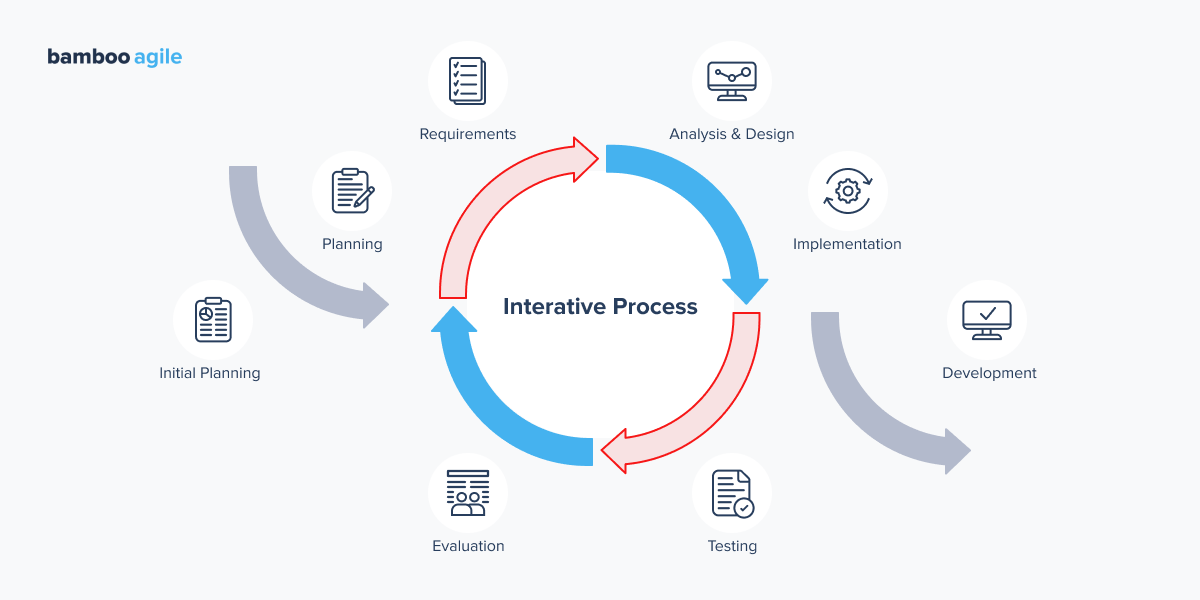
Before any code is written, thorough planning and analysis are essential. This phase involves gathering requirements, defining project scope, and creating a roadmap for development. Investing time and resources in this stage can save costs later by preventing rework and scope creep.
Development Time and Resources
The core of software development lies in coding and building the actual product. The time and resources required for development depend on the complexity of the project, technology stack used, and the skill level of developers involved.
Testing and Quality Assurance
Ensuring that the software functions as intended is critical to its success. Testing and quality assurance activities help identify bugs, ensure usability, and maintain overall product quality. Neglecting this phase can lead to costly post-launch fixes.
Maintenance and Support
Software development doesn’t end at launch; ongoing maintenance and support are necessary to keep the product up-to-date, secure, and aligned with changing business needs. Factoring in long-term maintenance costs is essential for a sustainable software solution.
Scalability and Future Enhancements
Businesses evolve over time, requiring software solutions that can scale with their growth. Building a scalable architecture from the start can reduce future redevelopment costs when adding new features or accommodating increased user loads.
Conclusion
While upfront costs are a significant consideration in software development, understanding the full spectrum of expenses involved is crucial for making informed decisions. By accounting for all stages of development—from planning to maintenance—and investing in quality throughout the process, businesses can optimize their software investment for long-term success.
Understanding Software Development Costs: 7 Key Questions Answered
- What factors influence the cost of software development?
- How is the cost of software development estimated?
- What are common pricing models used in software development?
- How can I reduce the cost of software development without compromising quality?
- What is the typical hourly rate for software developers?
- Are there hidden costs associated with software development projects?
- How can I budget effectively for a software development project?
What factors influence the cost of software development?
The cost of software development is influenced by several key factors that businesses must consider. Factors such as project complexity, desired features and functionality, technology stack, development team expertise, project timeline, and ongoing maintenance requirements all play a significant role in determining the overall cost of software development. Understanding these factors and their impact on the budget is essential for businesses to make informed decisions and ensure the successful delivery of a high-quality software product within their financial constraints.
How is the cost of software development estimated?
The cost of software development is typically estimated based on various factors such as project scope, complexity, technology requirements, development time, resources needed, and level of expertise required. Software development cost estimation involves analyzing these factors to create a detailed budget that accounts for all stages of the development process. This estimation process often includes assessing the specific features and functionalities desired, determining the skill sets of developers needed, considering any third-party integrations or licenses required, and factoring in potential risks or contingencies. By carefully evaluating these elements, software development teams can provide accurate cost estimates that align with the client’s expectations and project goals.
What are common pricing models used in software development?
Common pricing models used in software development include Time and Materials (T&M), Fixed Price, and Dedicated Team. In the Time and Materials model, clients pay for the actual time spent on development tasks and the materials used. The Fixed Price model sets a predetermined price for the entire project, providing cost predictability but limited flexibility for changes. The Dedicated Team model involves hiring a dedicated team of developers who work exclusively on the project, offering scalability and close collaboration. Each pricing model has its advantages and considerations, allowing clients to choose the one that best aligns with their project requirements and budget constraints.
How can I reduce the cost of software development without compromising quality?
When looking to reduce the cost of software development without compromising quality, several strategies can be employed. One effective approach is to prioritize features based on their importance and impact, focusing on essential functionalities first and incorporating additional features in later phases. Utilizing open-source technologies and reusable components can also help lower development costs while maintaining quality standards. Collaborating closely with the development team, providing clear requirements, and fostering effective communication throughout the project can streamline the development process and minimize costly rework. Additionally, considering outsourcing certain tasks to experienced professionals or leveraging cloud services for infrastructure needs can offer cost-effective solutions without sacrificing quality in software development projects.
What is the typical hourly rate for software developers?
When it comes to the typical hourly rate for software developers, it can vary significantly based on various factors such as the developer’s experience level, location, expertise in specific technologies, and the complexity of the project. In general, junior developers may charge a lower hourly rate compared to senior developers with extensive experience. Additionally, software developers in different regions or countries may have varying rates due to cost of living differences. It’s important for businesses to consider these factors when budgeting for software development projects and to prioritize quality and expertise over simply opting for the lowest hourly rate.
Are there hidden costs associated with software development projects?
When considering software development projects, it is common to wonder about hidden costs that may arise during the process. While initial estimates provide a baseline, there can be unforeseen expenses that emerge as the project progresses. These hidden costs may stem from changes in requirements, unexpected technical challenges, or additional features requested by stakeholders. It is essential for businesses to factor in a contingency budget to account for these potential surprises and ensure that the project stays within budget constraints. By being prepared for hidden costs and maintaining open communication with the development team, organizations can navigate software projects more effectively and mitigate financial risks.
How can I budget effectively for a software development project?
When it comes to budgeting effectively for a software development project, thorough planning and analysis are key. Start by clearly defining your project requirements and scope to establish a solid foundation for cost estimation. Consider factors such as the complexity of the project, technology requirements, and desired features to create a realistic budget. Collaborating closely with your development team or partner can help identify potential cost drivers early on and make informed decisions throughout the project lifecycle. Additionally, allocating resources for testing, quality assurance, and post-launch support is essential for ensuring the success of your software solution within the allocated budget. By taking a strategic approach to budgeting and prioritizing quality and efficiency, you can set yourself up for a successful software development project that meets both your financial and business objectives.