The World of iOS and Android App Development
Mobile applications have become an integral part of our daily lives, offering convenience, entertainment, and functionality at our fingertips. Two major platforms dominate the mobile app market: iOS and Android. Let’s delve into the world of iOS and Android app development.
iOS App Development
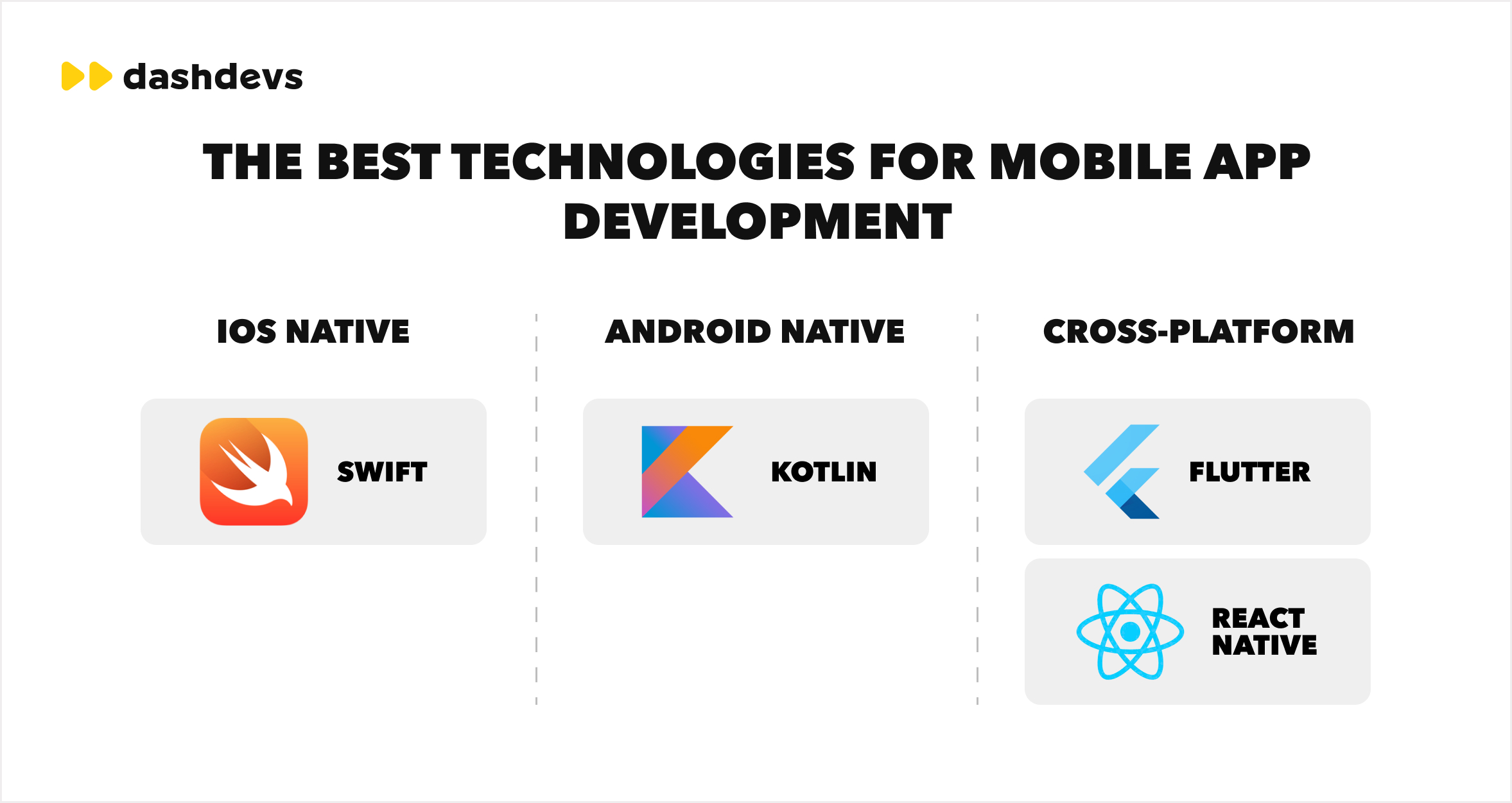
iOS, developed by Apple, powers devices such as iPhones, iPads, and iPods. iOS app development requires knowledge of Swift or Objective-C programming languages. Apple’s strict guidelines ensure high-quality apps that provide a seamless user experience. Developers can leverage Apple’s integrated development environment (IDE) Xcode to create innovative iOS applications.
Android App Development
Android, owned by Google, is an open-source platform used by a wide range of devices from various manufacturers. Java and Kotlin are the primary programming languages for Android app development. The flexibility of the Android platform allows developers to create diverse apps tailored to different devices and user preferences. Android Studio is the official IDE for building robust Android applications.
Key Considerations in App Development
When developing apps for both iOS and Android platforms, developers must consider factors such as user interface design, performance optimization, security features, compatibility across devices, and adherence to platform-specific guidelines. Cross-platform development tools like React Native or Flutter offer the advantage of creating apps that work on both iOS and Android with shared codebases.
The Future of Mobile App Development
As technology advances and user expectations evolve, the landscape of mobile app development continues to transform. Emerging trends such as augmented reality (AR), artificial intelligence (AI), Internet of Things (IoT) integration, and 5G connectivity are shaping the future of mobile applications on both iOS and Android platforms.
In Conclusion
iOS and Android app development play a vital role in driving innovation in the mobile industry. Whether you are a developer seeking to create engaging apps or a business looking to expand your digital presence, understanding the nuances of iOS and Android app development is essential for success in today’s mobile-centric world.
Exploring the Advantages of iOS and Android App Development: Market Access, Quality, Flexibility, and Cutting-Edge Tools
- iOS app development offers access to a lucrative market of Apple users who are known for their higher app spending.
- Android app development provides access to a diverse user base due to the platform’s wide adoption across various devices and manufacturers.
- iOS apps generally have higher quality standards and undergo strict review processes on the Apple App Store.
- Android apps offer more flexibility in terms of customization and integration with different hardware features.
- Developers can leverage advanced tools and technologies specific to each platform, such as Xcode for iOS and Android Studio for Android.
- Cross-platform development tools like React Native and Flutter enable developers to create apps that work seamlessly on both iOS and Android platforms with shared codebases.
- Both iOS and Android platforms provide extensive documentation, resources, and community support for developers to enhance their skills and troubleshoot issues.
- The continuous evolution of iOS and Android ecosystems ensures that developers have opportunities to explore new technologies, trends, and features in app development.
Challenges in iOS and Android App Development: Navigating Fragmentation, Approval Hurdles, Costs, Customization Limits, Market Disparities, and Skill Demands
- Fragmentation
- Approval Process
- Costly Development Tools
- Limited Customization
- Market Share Disparity
- Platform-Specific Skills
iOS app development offers access to a lucrative market of Apple users who are known for their higher app spending.
iOS app development presents a significant advantage by providing access to a lucrative market of Apple users known for their higher app spending habits. With a reputation for being more willing to invest in premium apps and in-app purchases, Apple users offer developers the opportunity to generate substantial revenue through the iOS platform. By targeting this user base, developers can tap into a market segment that values quality, innovation, and seamless user experiences, ultimately enhancing the financial potential of their iOS applications.
Android app development provides access to a diverse user base due to the platform’s wide adoption across various devices and manufacturers.
Android app development offers a significant advantage by providing access to a diverse user base thanks to the platform’s widespread adoption across a multitude of devices and manufacturers. This broad reach allows developers to tap into a vast market of Android users, ensuring that their apps have the potential to reach a wide range of audiences with varying preferences and needs. By leveraging the popularity and flexibility of the Android platform, developers can create apps that cater to a diverse user base, ultimately increasing their app’s visibility and potential for success in the competitive app market.
iOS apps generally have higher quality standards and undergo strict review processes on the Apple App Store.
One significant advantage of iOS app development is the rigorous quality standards and strict review processes enforced by the Apple App Store. iOS apps are subjected to thorough scrutiny to ensure they meet Apple’s guidelines for functionality, design, and performance. This meticulous review process not only upholds the overall quality of iOS apps but also enhances user trust and confidence in the reliability and security of applications available on the Apple App Store.
Android apps offer more flexibility in terms of customization and integration with different hardware features.
Android apps offer a significant advantage in terms of flexibility and customization, allowing developers to tailor their applications to integrate seamlessly with a wide range of hardware features. The open-source nature of the Android platform enables developers to leverage diverse functionalities and adapt their apps to various devices, providing users with a personalized and optimized experience. This flexibility in customization and integration with hardware features sets Android app development apart, empowering developers to create innovative solutions that cater to the unique needs and preferences of users across different devices.
Developers can leverage advanced tools and technologies specific to each platform, such as Xcode for iOS and Android Studio for Android.
Developers embarking on iOS and Android app development can harness the power of advanced tools and technologies tailored to each platform. For iOS development, the industry-standard Xcode provides a comprehensive integrated development environment (IDE) equipped with features like code completion, debugging tools, and interface design capabilities. On the other hand, Android developers can utilize Android Studio, Google’s official IDE offering a robust set of tools for building high-quality apps optimized for the diverse range of Android devices. By leveraging these platform-specific tools, developers can streamline their workflow, enhance productivity, and create innovative mobile applications that cater to the unique requirements of iOS and Android users.
Cross-platform development tools like React Native and Flutter enable developers to create apps that work seamlessly on both iOS and Android platforms with shared codebases.
Cross-platform development tools such as React Native and Flutter offer a significant advantage in iOS and Android app development by allowing developers to build applications that function seamlessly on both platforms using shared codebases. This approach streamlines the development process, reduces time and effort, and ensures consistent user experiences across iOS and Android devices. By leveraging these tools, developers can reach a broader audience while maintaining efficiency and productivity in app development projects.
Both iOS and Android platforms provide extensive documentation, resources, and community support for developers to enhance their skills and troubleshoot issues.
Both iOS and Android platforms offer a valuable advantage to developers through their extensive documentation, resources, and strong community support. By providing in-depth guides, tutorials, and forums, both platforms empower developers to enhance their skills, stay updated on the latest trends, and troubleshoot any issues they may encounter during app development. This robust support system not only fosters continuous learning but also encourages collaboration and knowledge sharing within the developer community, ultimately contributing to the overall growth and success of iOS and Android app development.
The continuous evolution of iOS and Android ecosystems ensures that developers have opportunities to explore new technologies, trends, and features in app development.
The continuous evolution of iOS and Android ecosystems provides developers with exciting opportunities to delve into new technologies, trends, and features in app development. With each update and release, both platforms offer innovative tools and capabilities that empower developers to create cutting-edge applications that cater to the ever-changing needs and preferences of users. This dynamic environment fosters creativity and growth within the app development community, encouraging developers to stay at the forefront of industry advancements and deliver exceptional user experiences.
Fragmentation
Fragmentation poses a significant challenge in Android app development as developers encounter difficulties in ensuring consistent performance across the diverse array of devices available on the platform. Varying screen sizes, resolutions, and hardware specifications demand meticulous testing and optimization to guarantee a seamless user experience. Adapting apps to accommodate this fragmentation requires additional time and resources, potentially hindering the efficiency of development processes and impacting overall app quality.
Approval Process
One significant con of iOS app development is the stringent approval process imposed by Apple. Developers are required to meticulously follow Apple’s strict guidelines and submit their apps for a thorough review before they can be released on the App Store. This rigorous scrutiny often results in longer wait times for app approval, potentially delaying the deployment of new features or updates. Additionally, the subjective nature of the review process can lead to rejections or requests for modifications, adding complexity and uncertainty to the development timeline for iOS apps.
Costly Development Tools
Costly Development Tools pose a significant challenge for independent developers and small businesses venturing into iOS app development. The requirement to use Apple’s proprietary tools and hardware can lead to substantial expenses, hindering budget-conscious entities from fully engaging in the iOS app development process. The high cost of entry associated with these tools may limit access to the iOS platform for developers with limited financial resources, potentially impacting the diversity and innovation within the iOS app development community.
Limited Customization
One significant drawback of iOS app development is the limited customization options available compared to Android. Apple imposes restrictions on certain features and functionalities, which can hinder developers’ ability to tailor apps extensively to meet specific user preferences. This limitation in customization may pose challenges for creating highly personalized and innovative applications on the iOS platform, impacting the overall user experience and flexibility of app development.
Market Share Disparity
Market Share Disparity poses a significant challenge in iOS and Android app development. Although Android enjoys a larger market share worldwide, iOS users tend to exhibit higher app spending behavior. This creates a dilemma for developers as they strive to balance reaching a broader audience on the Android platform while maximizing revenue from the more financially lucrative iOS user base. Navigating this disparity requires strategic planning and tailored approaches to cater to the distinct characteristics of each platform’s user base for optimal success in the competitive app market.
Platform-Specific Skills
Platform-specific skills pose a significant challenge in iOS and Android app development. Developers must invest time and effort in acquiring expertise in the distinct requirements of each platform, including programming languages, development tools, and design guidelines. This dual skill set not only raises the learning curve but also escalates resource demands for businesses seeking to create apps for both iOS and Android. The need for platform-specific skills can hinder efficiency and scalability in app development projects, underscoring the importance of strategic planning and resource allocation to navigate this con effectively.