Understanding Mobile Software Development
In today’s digital age, mobile software development has become a crucial aspect of the tech industry. With the rapid proliferation of smartphones and tablets, businesses are increasingly focusing on creating mobile applications to reach their customers more effectively. This article explores the key aspects of mobile software development and its significance in the modern world.
The Rise of Mobile Applications
The demand for mobile applications has surged as users increasingly rely on their mobile devices for various tasks, from communication and entertainment to shopping and banking. This shift has prompted businesses to prioritize mobile-first strategies, ensuring that their services are easily accessible through intuitive and user-friendly apps.
Key Platforms: iOS and Android
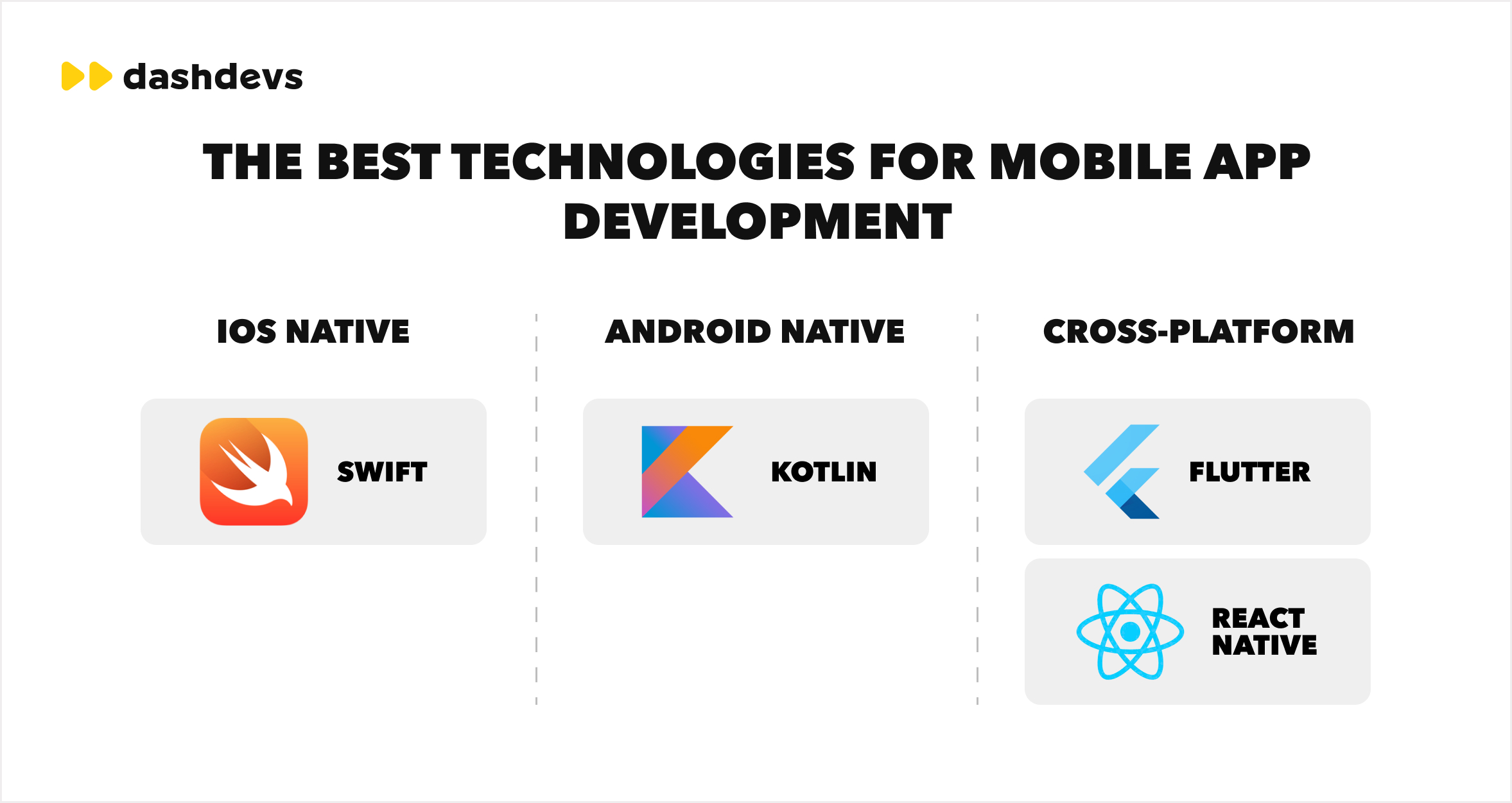
Mobile software development primarily revolves around two major platforms: iOS and Android. Each platform has its unique ecosystem, tools, and programming languages.
- iOS Development: Apple’s iOS platform requires developers to use Swift or Objective-C as primary programming languages. The development process involves using Xcode, Apple’s integrated development environment (IDE), which provides a suite of tools for building apps for iPhone, iPad, Apple Watch, and Apple TV.
- Android Development: Android apps are typically developed using Java or Kotlin. Developers use Android Studio as the official IDE to build applications that run on a wide range of devices from different manufacturers.
The Development Process
The mobile software development process generally follows several key stages:
- Planning: Defining the app’s purpose, target audience, features, and functionality is crucial in this initial stage.
- Design: Creating an intuitive user interface (UI) and seamless user experience (UX) is essential for engaging users.
- Coding: Developers write code according to the design specifications while ensuring compatibility with different devices.
- Testing: Rigorous testing is conducted to identify bugs or issues before the app’s release.
- Deployment: Once tested thoroughly, the app is deployed to app stores like Apple’s App Store or Google Play Store.
- Maintenance: Post-launch support involves updating the app with new features or bug fixes based on user feedback.
The Importance of Mobile Software Development
The significance of mobile software development extends beyond creating functional apps. It plays a vital role in enhancing customer engagement by providing personalized experiences tailored to individual preferences. Additionally, it enables businesses to leverage data analytics for better decision-making processes while staying competitive in an ever-evolving market landscape.
The Future of Mobile Software Development
The future holds exciting possibilities for mobile software development as emerging technologies such as artificial intelligence (AI), augmented reality (AR), virtual reality (VR), and Internet-of-Things (IoT) continue shaping how we interact with digital content on our devices. As these technologies advance further into mainstream adoption across various industries worldwide—developers will be challenged yet inspired—to create innovative solutions that redefine what’s possible within this dynamic field continuously evolving at breakneck speed!
In conclusion—mobile software development remains at forefront technological innovation—driving transformative change across global markets—empowering individuals organizations alike harness power connectivity mobility unprecedented ways never imagined before!
5 Key Advantages of Mobile Software Development: Expanding Reach and Enhancing User Engagement
- Increased reach to a wider audience of mobile device users
- Enhanced customer engagement through personalized mobile experiences
- Opportunity to leverage location-based services for targeted marketing
- Ability to access and utilize device features like cameras, GPS, and sensors
- Facilitates seamless integration with other digital platforms for a cohesive user experience
Challenges in Mobile Software Development: Navigating Fragmentation, Security, and More
- Fragmentation
- Device Diversity
- Security Concerns
- App Store Approval Process
- User Interface Design Limitations
- Maintenance Costs
Increased reach to a wider audience of mobile device users
Mobile software development offers the significant advantage of increased reach to a wider audience of mobile device users. By creating mobile applications tailored to the preferences and needs of users on smartphones and tablets, businesses can expand their market presence and engage with a broader demographic. This accessibility allows companies to connect with customers on-the-go, providing convenience and enhancing user experience. With the growing reliance on mobile devices for everyday tasks, reaching a wider audience through well-designed and functional mobile apps can lead to increased brand visibility, customer loyalty, and ultimately, business growth.
Enhanced customer engagement through personalized mobile experiences
Enhanced customer engagement through personalized mobile experiences is a significant advantage of mobile software development. By tailoring content, features, and interactions to individual user preferences, businesses can create a more immersive and relevant experience for their customers. Personalization fosters a sense of connection and loyalty as users feel understood and valued. This approach not only increases user satisfaction but also drives higher levels of engagement, ultimately leading to improved customer retention and increased brand loyalty.
Opportunity to leverage location-based services for targeted marketing
Mobile software development offers businesses the unique advantage of leveraging location-based services for targeted marketing. By utilizing GPS technology and geolocation data, companies can deliver personalized and contextually relevant content to users based on their real-time location. This enables businesses to engage with their target audience more effectively, offering tailored promotions, discounts, or notifications based on the user’s proximity to a specific location. This targeted approach not only enhances the user experience but also increases the likelihood of conversion by delivering timely and relevant information to potential customers.
Ability to access and utilize device features like cameras, GPS, and sensors
One of the key advantages of mobile software development is the ability to access and leverage device features such as cameras, GPS, and sensors. By tapping into these functionalities, developers can create innovative applications that offer enhanced user experiences and capabilities. For instance, integrating the camera allows for augmented reality experiences, while utilizing GPS enables location-based services like mapping and navigation. Sensors such as accelerometers and gyroscopes can be leveraged for interactive gaming or fitness tracking apps. This seamless integration of device features not only enriches the functionality of mobile applications but also opens up a world of possibilities for creating engaging and personalized user interactions.
Facilitates seamless integration with other digital platforms for a cohesive user experience
Mobile software development offers the significant advantage of facilitating seamless integration with other digital platforms, ensuring a cohesive user experience across multiple channels. By leveraging APIs and interoperability standards, mobile apps can effortlessly communicate with various systems and services, enhancing user engagement and satisfaction. This seamless integration enables users to transition smoothly between different platforms, such as websites, social media networks, and IoT devices, creating a unified and consistent experience that strengthens brand loyalty and drives business success.
Fragmentation
Fragmentation in mobile software development poses a significant challenge as developers strive to create applications that work seamlessly across multiple platforms such as iOS and Android. The diversity of devices, screen sizes, operating system versions, and hardware specifications can result in compatibility issues and inconsistencies in app performance. Addressing these disparities requires additional time and effort during the development process to ensure a consistent user experience across different platforms, ultimately prolonging the overall development timeline and increasing the complexity of managing software updates and maintenance.
Device Diversity
Device diversity poses a significant challenge in mobile software development, as ensuring app functionality across a diverse array of devices with varying screen sizes, resolutions, and hardware capabilities can be a daunting task. Developers must meticulously test and optimize their applications to perform seamlessly on different devices to provide a consistent user experience. This con of mobile software development demands extra effort and resources to address compatibility issues and ensure that the app functions reliably across the ever-expanding landscape of mobile devices.
Security Concerns
Security concerns pose a significant con in mobile software development as mobile apps are vulnerable to various security threats, including data breaches, malware attacks, and unauthorized access. These vulnerabilities can compromise sensitive user information, leading to privacy violations and financial losses. Developers must prioritize implementing robust security measures, such as encryption protocols, secure authentication methods, and regular security updates, to mitigate these risks and safeguard user data effectively. Failure to address security concerns adequately can erode user trust and tarnish the reputation of the app and the organization behind it.
App Store Approval Process
One significant drawback of mobile software development is the stringent App Store approval process imposed by platforms such as Apple’s App Store and Google Play Store. Meeting the strict guidelines and requirements set by these app stores can often lead to delays in the release of an app. Developers must adhere to specific design standards, content policies, security protocols, and performance benchmarks to ensure their app meets the platforms’ quality standards. Any deviation or oversight in compliance can result in rejection or prolonged review times, ultimately hindering the timely deployment of the app to users.
User Interface Design Limitations
One significant con of mobile software development is the challenge posed by user interface design limitations. Creating intuitive interfaces that seamlessly adapt to various screen sizes, from small smartphone displays to larger tablet screens, demands additional effort and meticulous planning. Designers must strike a delicate balance between optimizing layout and functionality for different devices, ensuring a consistent user experience across the board. This process can be complex and time-consuming, as developers strive to deliver visually appealing and user-friendly interfaces that cater to a diverse range of screen sizes and resolutions.
Maintenance Costs
Maintenance Costs are a significant con of mobile software development, as they can add up quickly and impact the overall budget of a project. Ongoing updates, bug fixes, and feature enhancements post-launch require continuous attention and resources from developers, leading to additional expenses that may not have been initially accounted for. These costs can strain the financial resources of businesses and hinder their ability to invest in other critical areas of development or expansion. It is essential for organizations to carefully consider and plan for maintenance expenses to ensure the long-term success and sustainability of their mobile software applications.