The World of Computer and Software Engineering
Computer and software engineering are two closely related fields that play a crucial role in shaping the digital landscape we live in today. While they have distinct focuses, they often overlap in the development of technology that drives innovation and progress.
Computer Engineering
Computer engineering involves the design and development of computer systems and components. Computer engineers work on hardware components such as processors, memory devices, circuit boards, and networking equipment. They also design computer architecture to ensure optimal performance and efficiency.
Computer engineers collaborate with software engineers to integrate hardware components with software programs, ensuring seamless functionality of computer systems. They play a vital role in creating cutting-edge technologies like artificial intelligence, robotics, and Internet of Things (IoT) devices.
Software Engineering
Software engineering focuses on the design, development, testing, and maintenance of software applications. Software engineers use programming languages like Java, Python, C++, and others to create software solutions that meet specific requirements.
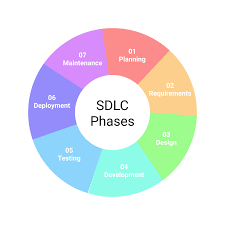
Software engineers follow a systematic approach to software development known as the Software Development Life Cycle (SDLC). This process includes requirements analysis, design, implementation, testing, deployment, and maintenance phases to ensure the quality and reliability of software products.
The Intersection of Computer and Software Engineering
The synergy between computer engineering and software engineering is essential for creating functional technology solutions. Computer engineers provide the hardware infrastructure necessary for running software applications efficiently, while software engineers develop programs that leverage this hardware effectively.
In today’s fast-paced technological environment, professionals in both fields collaborate to drive innovation in areas such as cloud computing, cybersecurity, mobile app development, and data analytics. Their combined expertise enables the creation of advanced systems that power industries across the globe.
Conclusion
Computer and software engineering are integral parts of the digital revolution shaping our world. The innovative work done by professionals in these fields continues to push boundaries and transform how we interact with technology. As technology evolves rapidly, the synergy between computer engineering and software engineering will remain crucial for driving progress in an increasingly interconnected world.
9 Advantages of a Career in Computer and Software Engineering
- High demand for skilled professionals in the job market
- Opportunities to work on cutting-edge technologies and innovative projects
- Potential for high salaries and career advancement
- Flexibility to work in various industries such as healthcare, finance, entertainment, and more
- Ability to solve complex problems and create solutions that impact society
- Opportunity for continuous learning and professional development
- Collaboration with diverse teams of experts in different fields
- Potential for remote work and flexible schedules in some roles
- Contribution to the digital transformation of businesses and industries
Challenges in Computer and Software Engineering: Navigating Stress, Long Hours, and Rapid Changes
- 1. High Stress Levels
- 2. Long Working Hours
- 3. Rapid Technological Changes
- 4. Complex Problem-Solving
- 5. Limited Work-Life Balance
- 6. Risk of Burnout
- 7. Security Concerns
High demand for skilled professionals in the job market
The field of computer and software engineering offers a significant advantage of high demand for skilled professionals in the job market. With the rapid advancement of technology and the increasing reliance on digital solutions across industries, there is a continuous need for qualified individuals who can design, develop, and maintain complex systems. Companies worldwide are actively seeking talented computer and software engineers to drive innovation, enhance efficiency, and stay competitive in today’s digital economy. This high demand creates abundant opportunities for professionals in these fields to pursue rewarding careers and make a valuable impact in the ever-evolving tech industry.
Opportunities to work on cutting-edge technologies and innovative projects
Professionals in the fields of computer and software engineering have the exciting opportunity to work on cutting-edge technologies and innovative projects that drive progress and shape the future. By staying at the forefront of technological advancements, engineers can contribute to groundbreaking developments in areas such as artificial intelligence, Internet of Things, virtual reality, and more. This hands-on involvement in pioneering projects not only challenges engineers to think creatively and problem-solve effectively but also allows them to make a tangible impact on society through the creation of transformative solutions.
Potential for high salaries and career advancement
The field of computer and software engineering offers professionals the potential for high salaries and significant career advancement opportunities. With the increasing demand for skilled individuals in these sectors, companies are willing to offer competitive compensation packages to attract top talent. Additionally, as technology continues to evolve rapidly, professionals in computer and software engineering have the chance to advance their careers by taking on challenging projects, acquiring new skills, and moving into leadership roles. This combination of lucrative salaries and career growth prospects makes computer and software engineering an attractive choice for individuals seeking a rewarding and dynamic career path.
Flexibility to work in various industries such as healthcare, finance, entertainment, and more
Computer and software engineering offer professionals the flexibility to work across a diverse range of industries, including healthcare, finance, entertainment, and more. The skills and expertise gained in these fields are highly transferable, allowing engineers to adapt their knowledge to meet the unique challenges and demands of different sectors. Whether developing innovative healthcare technologies, optimizing financial systems, or creating cutting-edge entertainment software, computer and software engineers play a vital role in driving technological advancements across various industries.
Ability to solve complex problems and create solutions that impact society
Computer and software engineering professionals possess the remarkable ability to tackle intricate challenges and devise innovative solutions that have a profound impact on society. By leveraging their expertise in developing advanced technologies, these experts address complex issues across various industries, ranging from healthcare and education to transportation and communication. Their problem-solving skills and creative thinking enable them to create transformative solutions that improve efficiency, enhance safety, and drive progress in our interconnected world, ultimately shaping a better future for all.
Opportunity for continuous learning and professional development
In the dynamic fields of computer and software engineering, professionals have the exciting opportunity for continuous learning and professional development. With technology evolving at a rapid pace, staying current with the latest advancements is essential. Engineers can engage in ongoing training, attend workshops and conferences, pursue certifications, and participate in collaborative projects to enhance their skills and expand their knowledge base. This commitment to lifelong learning not only keeps engineers at the forefront of innovation but also opens up new avenues for career growth and advancement in the ever-evolving tech industry.
Collaboration with diverse teams of experts in different fields
Collaboration with diverse teams of experts in different fields is a significant advantage of computer and software engineering. By bringing together professionals with varying skill sets and perspectives, innovative solutions can be developed that leverage the collective knowledge and expertise of team members. This collaborative approach fosters creativity, encourages out-of-the-box thinking, and leads to the creation of cutting-edge technologies that address complex challenges effectively. The synergy between individuals from different backgrounds enhances problem-solving capabilities and results in well-rounded solutions that cater to diverse needs in today’s rapidly evolving digital landscape.
Potential for remote work and flexible schedules in some roles
In the realm of computer and software engineering, one significant advantage is the potential for remote work and flexible schedules in certain roles. Professionals in these fields often have the opportunity to work remotely, leveraging technology to collaborate with teams from anywhere in the world. This flexibility not only enhances work-life balance but also enables individuals to tailor their schedules to maximize productivity and creativity. Embracing remote work allows for a more diverse workforce and fosters a culture of innovation where talent can thrive regardless of geographical constraints.
Contribution to the digital transformation of businesses and industries
Computer and software engineering play a pivotal role in driving the digital transformation of businesses and industries. Through innovative technologies and tailored software solutions, these fields empower organizations to streamline operations, enhance efficiency, and unlock new opportunities for growth. By leveraging the expertise of computer and software engineers, businesses can optimize processes, improve decision-making capabilities, and stay competitive in today’s rapidly evolving digital landscape. The contributions of computer and software engineering are instrumental in reshaping industries, fostering innovation, and propelling businesses towards success in the digital age.
1. High Stress Levels
One significant drawback of computer and software engineering roles is the prevalence of high stress levels within these professions. The demanding nature of tight deadlines and high-pressure environments can result in elevated stress levels among professionals in these fields. The need to deliver complex projects on time, troubleshoot technical issues, and meet client expectations can contribute to a challenging work environment that may impact the well-being and mental health of individuals working in computer and software engineering roles.
2. Long Working Hours
One significant drawback of computer and software engineering is the requirement for long working hours. Professionals in these fields often find themselves working extended hours, sometimes including evenings and weekends, in order to meet project deadlines or troubleshoot technical issues. The demanding nature of the work can lead to high levels of stress and burnout among individuals striving to deliver high-quality solutions within tight timelines. Balancing work commitments with personal life can be challenging for those in computer and software engineering roles, highlighting the need for effective time management and support mechanisms to maintain a healthy work-life balance.
3. Rapid Technological Changes
One significant drawback of computer and software engineering is the rapid pace of technological changes. The constant evolution and advancements in technology demand continuous learning and adaptation from professionals in these fields. Staying up-to-date with the latest trends, tools, and methodologies can be challenging, as what is cutting-edge today may become outdated tomorrow. This rapid pace of change puts pressure on individuals to invest time and effort in ongoing education and skill development to remain competitive in the ever-evolving landscape of computer and software engineering.
4. Complex Problem-Solving
One significant challenge in the field of computer and software engineering is the complexity of problem-solving. Engineers often face intricate technical issues that require deep analysis, critical thinking, and innovative solutions. These problems can be mentally demanding and time-consuming to resolve, posing a constant challenge to engineers as they strive to overcome obstacles and deliver effective solutions in a dynamic and fast-paced environment.
5. Limited Work-Life Balance
The demanding nature of computer and software engineering careers can often lead to a limited work-life balance, affecting personal time and relationships outside of work. The high-pressure environment, tight project deadlines, and the need to stay updated with rapidly evolving technologies can consume a significant amount of time and energy. Balancing work commitments with personal life responsibilities can be challenging for professionals in these fields, potentially leading to stress, burnout, and strained relationships. Finding ways to prioritize self-care, set boundaries, and allocate time for relaxation and personal activities is crucial in maintaining a healthy work-life balance in the fast-paced world of computer and software engineering.
6. Risk of Burnout
One significant con of computer and software engineering is the risk of burnout faced by professionals in these fields. The demanding workload and high-pressure environments can take a toll on individuals, leading to physical and mental exhaustion if not managed effectively. The constant need to meet deadlines, solve complex problems, and stay updated with rapidly evolving technologies can contribute to burnout among computer and software engineers. It is essential for professionals in these fields to prioritize self-care, establish healthy work-life balance, and seek support when needed to prevent burnout and maintain their well-being.
7. Security Concerns
In the realm of computer and software engineering, one significant con that professionals encounter is the escalating security concerns. As cyber threats and data breaches become increasingly prevalent, computer and software engineers are tasked with the critical responsibility of implementing robust security measures in their products. This added layer of complexity not only demands meticulous attention to detail during the development process but also requires continuous vigilance to address evolving security challenges and safeguard sensitive information from malicious actors.